

PRECISION MEDICINE & THE FUTURE OF GENOMICS SUMMIT
قمة الطب الدقيق ومستقبل علوم الجينوم
PMFG SUMMIT 2026
December 7–9, 2026 | Qatar National Convention Centre (QNCC), Doha, Qatar

Executive Welcome& Leadership
We are delighted to welcome all participants, partners, and supporters to the PMFG Summit 2026, as we mark 12 years of advancing precision medicine and genomics. Since hosting the first precision medicine symposium in the Middle East in 2014, Sidra Medicine has proudly led this regional and global dialogue on personalized healthcare.
Thank you for joining us on this important journey—we look forward to welcoming you to Doha!
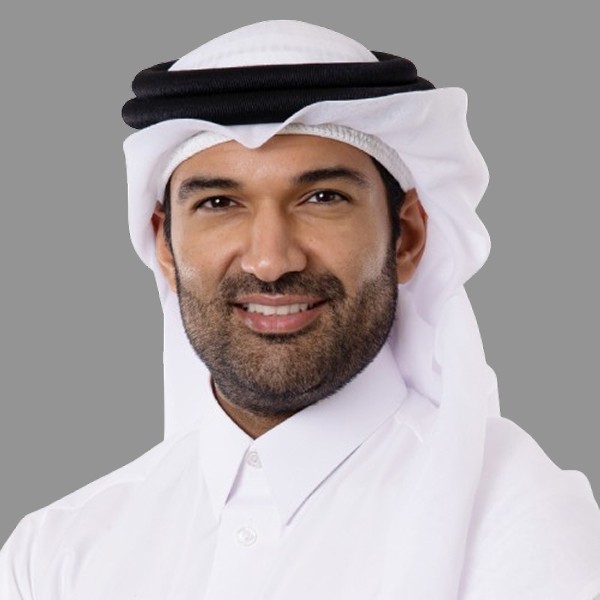
Prof. Khalid Fakhro
EXECUTIVE CHAIR AND CHIEF RESEARCH OFFICER
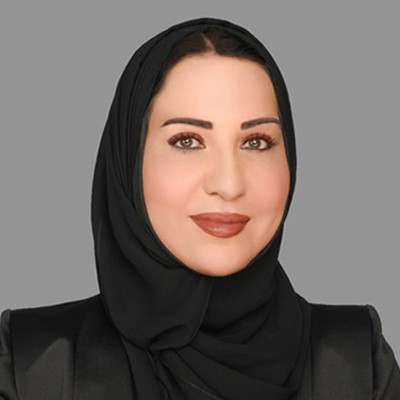
Dr. Ammira Akil
MANAGING CHAIR / PROGRAM DIRECTOR
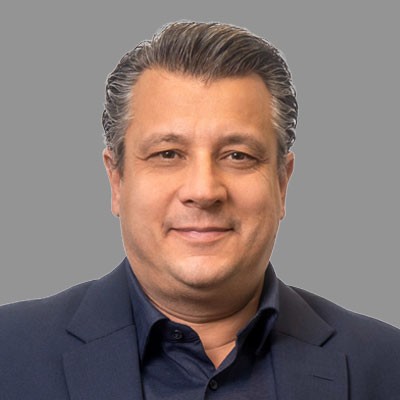
Dr. Manolis Dermitzakis
PRESIDENT, QPHI AND LEADERSHIP COMMITTEE CHAIR
SCIENTIFIC PROGRAM
The Core
Scientific Pillars
Pillar 1: Population-Scale & Clinical Genomics
Focus Large-scale cohort screening architectures, newborn screening programs, and validating regional genomic risk scores.
Pillar 2: AI-Driven Diagnostics & Bio-IT Pipelines
Focus Deep learning algorithms for variant prioritization, automating multi-omic pipelines, and cloud computing infrastructure for healthcare.
Pillar 3: Metabolic & Mendelian Disorders
Focus Deconstructing the molecular mechanisms of complex congenital conditions, biomarker discovery, and early targeted interventions.
Pillar 4: Translating Breakthroughs to Actionable Care
Focus Moving from benchmarking data to bedside protocols, regulatory pathways for clinical implementation, and precision therapeutics.
AUDIENCE
Who should attend.
VOICES
Keynotes &
thought leaders.
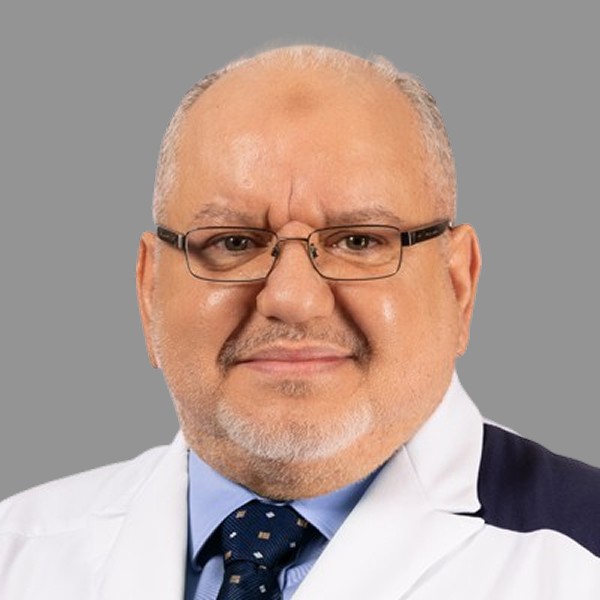
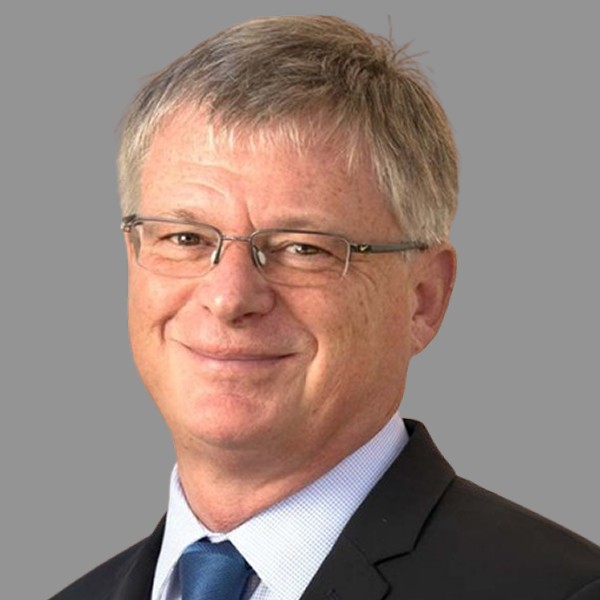
Dr. Tawfeg Ben Omran
Sidra Medicine
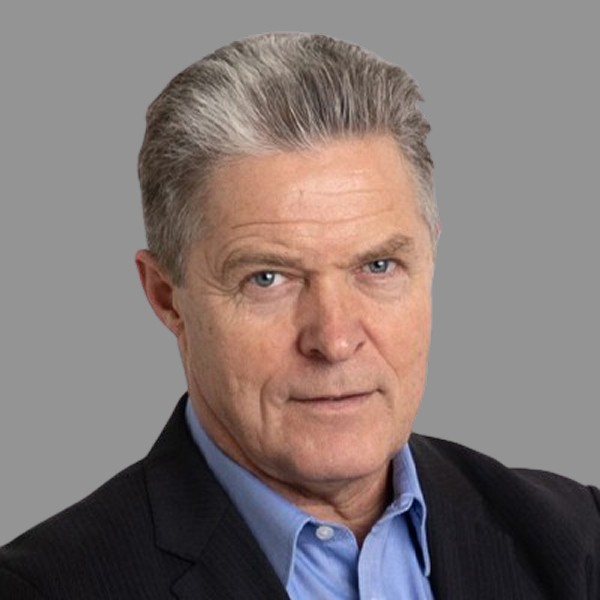
Dr. Stephen Kingsmore
Rady Children's Institute
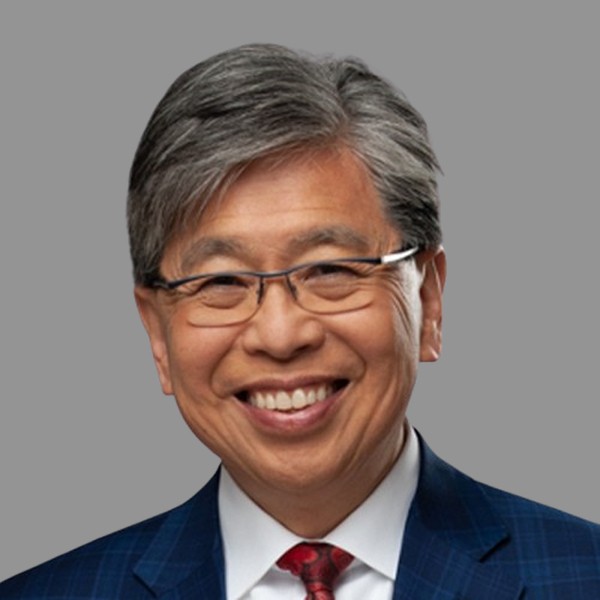
Dr. Hakon Hakonarson
CHOP
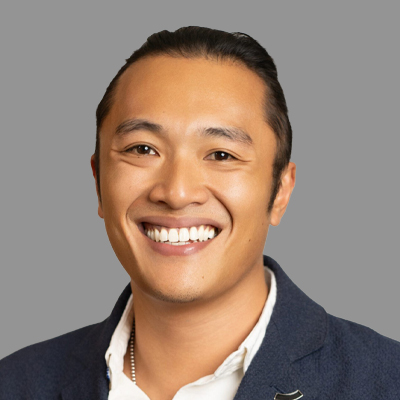
Dr. Edison Liu
Jackson Laboratory
LEGACY
A 12-year legacy of
precision excellence.
Since pioneering the first major precision medicine symposium in the Middle East in 2014, the PMFG Summit has served as the region's premier catalyst for genomics research. Over the past twelve years, this platform has evolved from an exploratory academic gathering into a powerhouse driving tangible clinical protocols, policy frameworks, and international collaborations.
VENUE
QNCC, Doha
Qatar National Convention Centre—a world-class hub featuring state-of-the-art presentation facilities and dedicated networking halls.
HOSPITALITY
Park Hyatt Doha
Located in Msheireb Downtown Doha. Preferred booking rates and dedicated shuttle transport to QNCC for registered international delegates.
VISA & ENTRY
Hayya Platform
The unified Hayya Entry Permit is Qatar's official e-visa portal. Eligible attendees from 100+ nationalities can apply online once registration is confirmed.
See you in Doha
this December
Mr. Alasdair Thong (USA)
Alloy Therapeutics

Dr. Tobias Marschall (Germany)
Heinrich Heine University
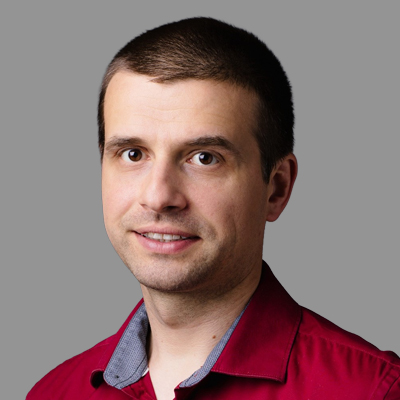
Dr. Petr Holub (Czech Republic)
BBMRI-ERIC
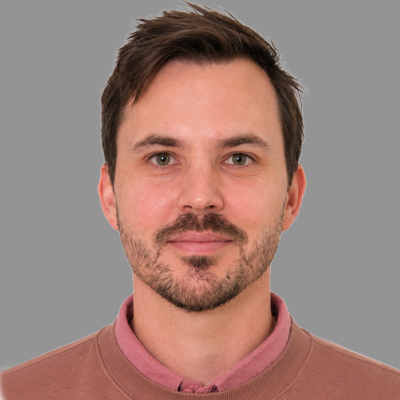
Dr. Joachim De Jonghe (UK)
Relation Therapeutics
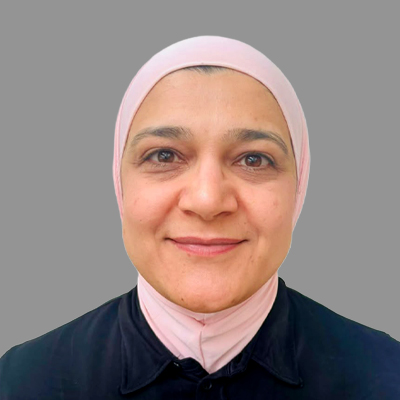
Dr. Reham Khalaf-Nazzal (Palestine)
Affiliation: Arab American University/
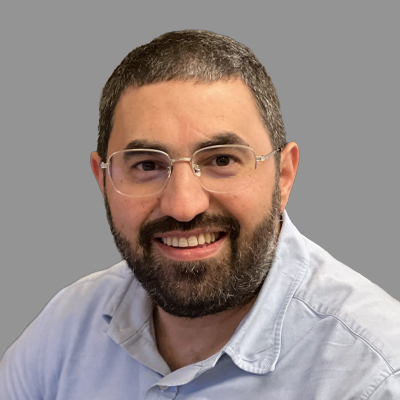
Dr. Mohammad Hammoud (Qatar)
Carnegie Mellon University in Qatar
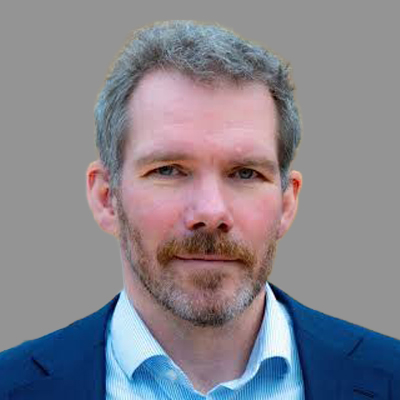
Daníel F. Guðbjartsson (Iceland)
Decode Chief Scientist
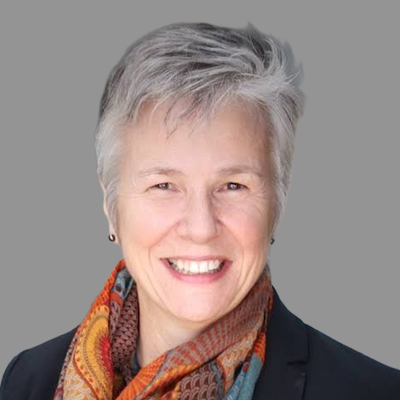
Sharon Terry (USA)
President and CEO- Genetic Alliance
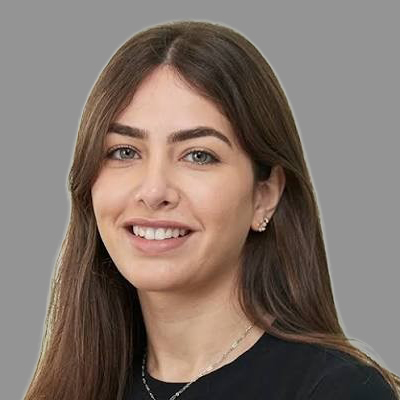
Dr. Farah Emad Shamout (UAE)
NYU Abu Dhabi
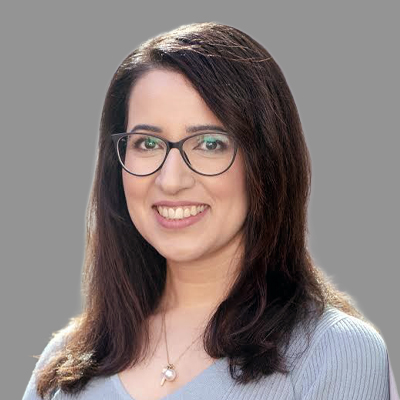
Dr. Lili Milani (Estonia)
University of Tartu
Lili Milani is the Head of the Estonian Biobank and professor of pharmacogenomics at the University of Tartu. She has a PhD degree in molecular medicine from Uppsala University, Sweden. Her research explores the intricate relationships between genes, diseases, and drug interactions, with a focus on how new discoveries could improve health care by data-informed and personalized medicine. She managed the development of the MyGenome portal, which was launched in June 2024 and gave over 200,000 biobank participants access to their genetic data in an engaging and meaningful way. Additionally, Lili is actively involved in national projects aimed at integrating genetic data into the healthcare system, ensuring that genetic data is utilized to its fullest potential. At the conference, she will share insights into the challenges and success stories of bridging the gap of moving genetic research results into healthcare settings.
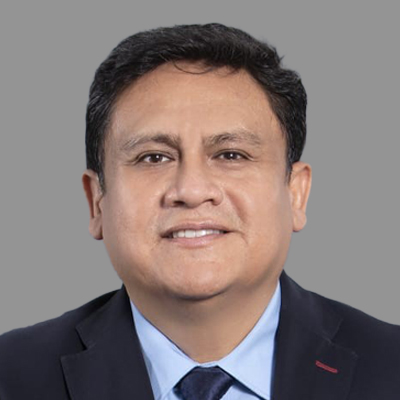
Dr. Heinner Guio (Peru)
University of Engineering and Technology - UTEC
Dr. Heinner Guio is a physician and researcher with a strong international background in medical sciences, genetics, and genomics. He earned his Medical Doctor (MD) degree from Universidad Peruana Cayetano Heredia in Lima, where he developed a solid foundation in clinical medicine and public health. He later pursued a PhD in Medical Sciences at Tohoku University in Japan, specializing in infectious and respiratory diseases, with a focus on immune response. He subsequently completed a postdoctoral fellowship at Imperial College London in the United Kingdom, where he further advanced his research in infectious diseases and immunology within a leading scientific environment. More recently, he strengthened his expertise in precision medicine through the Medical Genetics and Genomics Certificate Program at the National Human Genome Research Institute (NIH, USA). His multidisciplinary training integrates clinical practice with advanced genomic research, positioning him as a leading figure in population genomics and precision medicine in Latin America.
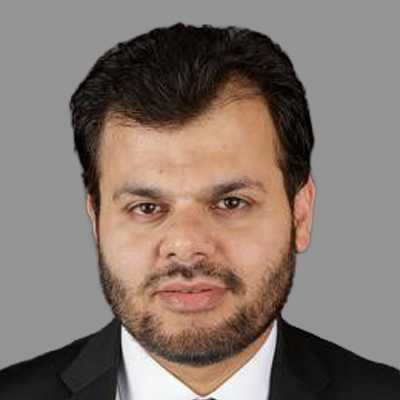
Dr. Danish Saleheen (USA)
Columbia University Irving Medical Center
Dr. Saleheen is the Principal Investigator of the Pakistan Genomic Resource (PGR), comprising of more than 150,000 participants in Pakistan on whom extensive genetic, biomarker and lifestyle information have been collected. PGR is being rapidly expanded to 1 Million participants. Whole-exome or whole-genome sequencing studies are already in progress in these participants. Of the first 65,000 participants who have undergone sequencing, roughly a fifth (> 12,000 participants) have been found to be homozygous null for predicted loss of function mutations (i.e., “Human Knockouts”) for > 6,000 unique genes. Many of these knockouts have never been reported previously. Once sequencing studies are completed, we anticipate to find > 300,000 human knockouts for > 15,000 unique genes. An experiment involving several million participants will be required in other outbred populations to get a similar yield of knockouts. These human knockouts are being systematically evaluated through deep phenotyping studies. Call-back involves recruiting family members who are also highly in-bred resulting into identification of more knockouts related to the primary proband (e.g., call back of one APOC3 knockout has led to the discovery of > 30 knockouts for APOC3). Knowledge gained from phenotyping studies in these knockouts and their family members is helping us understand: (i) the biology of genes; (ii) pharmaceutical inhibition of pathways; particularly dose-response relationships and safety profile; (iii) knowledge on essential genes; (iv) modifier genes that could inform about developing new therapies.

Sir Peter Donnelly (UK)
Genomics plc
Peter Donnelly is developing and applying statistics and probability theory to understand how the human genetic code evolves and to identify what makes some people prone to certain diseases. As an expert on DNA, Peter has also extensively commented on how DNA evidence is misunderstood in criminal court cases and advised on best practice.
He has led collaborations of hundreds of scientists in analysing DNA from thousands of people. He has also made major contributions to similar international studies, including the Human Genome and HapMap projects. In addition, Peter has conducted related research into recombination — how genes from each parent ‘mix and match’ as they are passed on to their offspring.
Peter’s important work is highly regarded around the world. Amongst his many awards are the Mitchell Prize of the American Statistical Association, the Guy Medal in Silver of the Royal Statistical Society and the 2008 Weldon Memorial Prize.
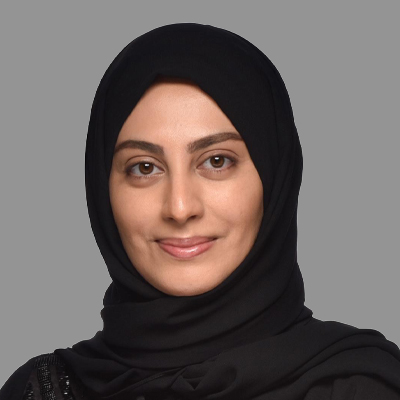
Dana Yousif Al-Abdulla (Qatar)
National Cyber Security Agency
Dana Yousef Al-Abdulla is the Director of Policies Affairs at the National Cyber Security Agency of the State of Qatar. Dana holds a bachelor’s degree in Computer Engineering from Qatar University and a master’s degree from HEC Paris in Strategic Business Unit Management. She holds professional certifications such as GICSP in Industrial Control Systems Security, GCFA in Advanced Forensics Analysis, and GSLC in Cyber Security Leadership.
Dana has made significant contributions to the establishment and operation of the Qatar Computer Emergency Response Team (Q-CERT). With over 20 years of experience, she has developed expertise in different cyber security fields including incident management, vulnerability assessment, penetration testing, policies, governance, national cyber strategies and data privacy.
Dana has cultivated her expertise in cyber security data privacy and she is one of the founders of the competent department of privacy law in State of Qatar.
She has led various cyber security and data privacy initiatives and projects on a national level including the development of the National Cyber Security Strategy and the National Information Security Compliance Framework. She has contributed to numerous endeavors aimed at enhancing Qatar’s cybersecurity posture and encouraging youth to pursue careers in the field.
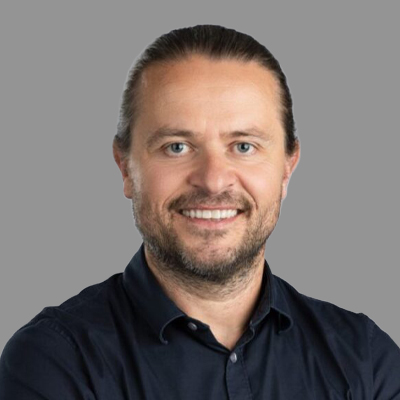
Dr. Bekim Sadikovic (Canada)
Schulich School of Medicine, Western University
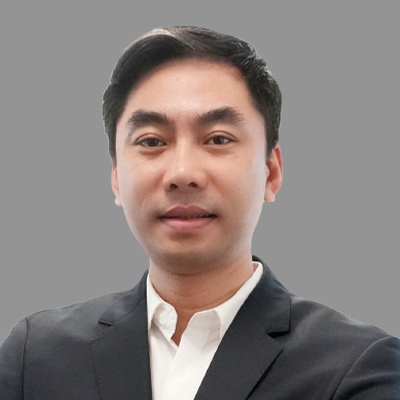
Dr. Vo Sy Nam (Vietnam)
VinUni Bigdata Research Institute
Dr. Nam Sy Vo is an Assistant Professor of Data Science and Chief Operating Officer of the VinUni Big Data Research Institute, College of Engineering and Computer Sciences, VinUniversity, Hanoi, Vietnam. He previously served as Director of the Center for Biomedical Informatics at Vingroup Big Data Institute and as Co-Founder and Chief Scientific & Technology Officer of GeneStory JSC. He holds a PhD in Computer Science (Bioinformatics) from the University of Memphis and trained at MD Anderson Cancer Center and the University of Chicago before returning to Vietnam in 2019.
Dr. Vo is best known for leading the 1000 Vietnamese Genomes Project (VN1K), a large-scale population sequencing initiative, and for his broader work building polygenic and transcriptional risk score models for diseases including Type 2 Diabetes, cardiovascular disease, and several cancers. His group collaborates internationally through the 1000 Genomes Project, Genome Asia 100K, and the Asian Pangenome Consortium, and much of his research has been translated into clinical use across major hospitals in Vietnam via GeneStory JSC.
With over 50 publications and 6,500+ citations, Dr. Vo brings deep expertise in population-scale genomics and disease risk prediction — directly relevant to PMFG's focus on expanding genomic representation and translating population data into clinical tools.
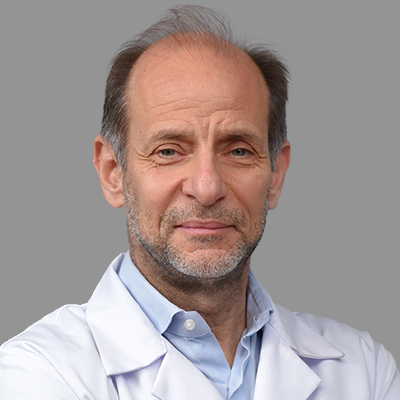
Dr. Andre Megarbane (Lebanon)
Lebanese American University
Dr. Megarbane is Professor at the Department of Human Genetics and Assistant Dean for Research | Chair, Department of Human Genetics at the Lebanese American University (LAU) Gilbert and Rose-Marie Chagoury School of Medicine
Prof. André Mégarbané is a leading authority on genetic disease in Lebanon and the wider Arab region. At a time when genetics was not yet recognized as a national health priority in Lebanon, he built one of the country's first dedicated clinical genetics services alongside a state-of-the-art diagnostic laboratory, driven by the conviction that early, accurate diagnosis and genetic counseling could both prevent suffering and meaningfully reduce the healthcare burden of genetic disease.
His research has centered on characterizing the genetic disorders most prevalent among Lebanese and Arab populations, with a particular focus on identifying the causative genes behind orphan diseases. Beyond the laboratory, Prof. Mégarbané has worked extensively to advance clinical awareness of genetics across the region, helping translate genetic and functional discoveries into more precise, personalized patient care.
At the PMFG Summit, he brings this rare combination of clinical depth and regional expertise to the conversation on translating genomic discoveries — from rare disease diagnosis to everyday pediatric clinical practice.
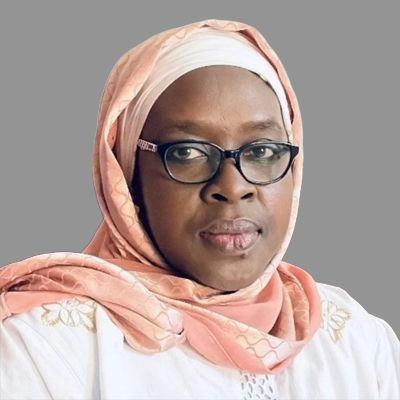
Dr. Rokhaya Ndiaye (Senegal)
Cheikh Anta Diop University
Rokhaya Ndiaye is a Full Professor of Human Genetics at the Faculty of Medicine, Pharmacy and Odonto‑Stomatology, Cheikh Anta Diop University (UCAD), Dakar, where she leads the Human Genetics Research Unit. She holds a PharmD from UCAD and a PhD in Human Genetics from University Paris VII, with advanced training in cellular and molecular genetics, GWAS, and genomics in France, the United Kingdom, and the United States. With over 20 years of research experience, her work focuses on cancer genetics, particularly hereditary breast and ovarian cancers, as well as rare and neurogenetic diseases. She has established genetic testing and counseling services in Senegal and identified clinically relevant BRCA1 and BRCA2 mutations. Her current research aims to expand genomic medicine and precision health in Senegal through the Senegal National Genome Project (SEN‑GENOME), creating population‑specific genomic references for equitable diagnostics and care.
Prof. Ndiaye is the recipient of the HUGO African Prize 2026 and both Springer Nature Editor of Distinction Awards 2026 including the Editorial Contribution Award and the Author Service Award, distinctions that acknowledge commitment to rigorous peer review, editorial stewardship, and timely, constructive support to authors. for her contributions to Human Genomics.
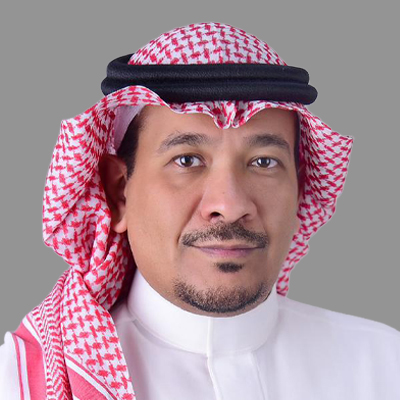
Dr. Majid Alfadhel (Saudi Arabia)
King Saud bin Abdulaziz University
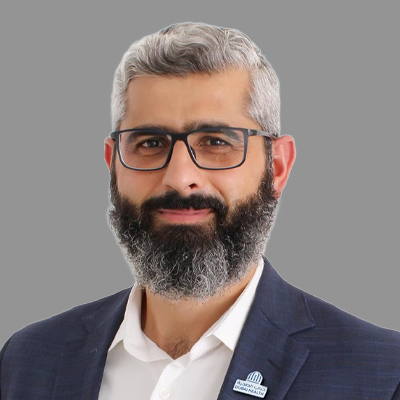
Ahmad Abou Tayoun (UAE)
Dubai Health’s Genomic Medicine Center
Ahmad Abou Tayoun is the Director of the Dubai Health Genomic Medicine Center, and Professor of Genetics at Mohammed Bin Rashid University of Medicine and Health Sciences. He completed his doctoral studies in genetics at Dartmouth College, followed by a fellowship in molecular diagnostics at Dartmouth Medical School. In 2013, he joined Harvard Medical School where he completed his clinical molecular genetics fellowship and, in 2015, became board-certified by the American Board of Medical Genetics and Genomics (ABMGG). Prof. Abou Tayoun is a fellow of the American College of Medical Genetics and Genomics (ACMGG).
Prior to joining Al Jalila Children’s Hospital at Dubai Health, he was a director in the Division of Genomic Diagnostics at the Children’s Hospital of Philadelphia, and also an assistant professor of Pathology and Laboratory Medicine at the University of Pennsylvania Perelman School of Medicine. At Al Jalila Children’s, Prof. Abou Tayoun established the Genomics Center of Excellence, the first comprehensive, CAP-accredited pediatric genomic diagnostics facility in the UAE. The center has now expanded to integrate genomic medicine across Dubai Health ecosystem.
Prof. Abou Tayoun’s main research interests are centered around characterizing the genomic landscape of rare diseases in the Middle East, including the discovery of novel gene-disease associations. In addition, his research focuses on implementing new technologies or approaches to enable faster and more effective integration of genomic medicine in the Middle East.
Prof. Abou Tayoun serves on several expert groups in his field. He is a co-chair of the Clinical Genome Resource (ClinGen) Hearing Loss Expert Group, a member of the ClinGen Sequence Variant Interpretation (SVI) group, a member of the American College of Genetics and Genomics Interpreting Sequence Variants (ISV) workgroup, and an associate member of the Human Pangenome Consortium. He was also recently appointed as chair of the WHO genomics advisory group. In those capacities, Prof. Abou Tayoun is working with international experts to establish guidelines and recommendations for sequence variant interpretation in genomic diagnostic settings. He has authored or co-authored over 100 peer-reviewed publications in his field.
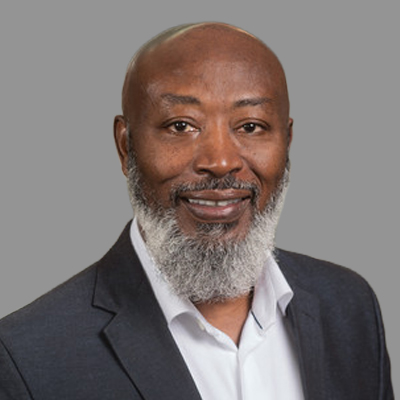
Dr. Solomon Ofori-Acquah (USA)
Emory University School of Medicine
Dr. Solomon Fiifi Ofori-Acquah is an internationally recognized scientist, educator and leader in sickle cell disease (SCD). He is currently Professor and Calvin Smyre Endowed Chair, Department of Pediatrics, Morehouse School of Medicine and Department of Pediatrics at Emory School of Medicine. He is a Georgia Research Alliance (GRA) Eminent Scholar and Director of the Georgia Solve Sickle Cell Initiative.
His research is focused on molecular pathogenesis, genomics and drug discovery in sickle cell disease. He developed the first animal model of the severe lung complication in sickle cell disease called the acute chest syndrome. His current scientific efforts include multiple genome-wide association studies and the first population DNA sequencing of a cohort of 1,000 children living with sickle cell disease.
Dr. Ofori-Acquah is the Founding Director of the West African Genetic Medicine Centre, a World Bank sponsored Centre of Excellence that is building genomics capacity in West Africa. Through his leadership in Africa and the United States, he has advanced global partnerships to transform sickle cell disease research and improve access to medicines for patients in Africa. Dr. Ofori-Acquah has authored over 100 peer-reviewed publications and book chapters and is currently serving as Member of the National Heart, Lung, and Blood Institute Advisory Council.
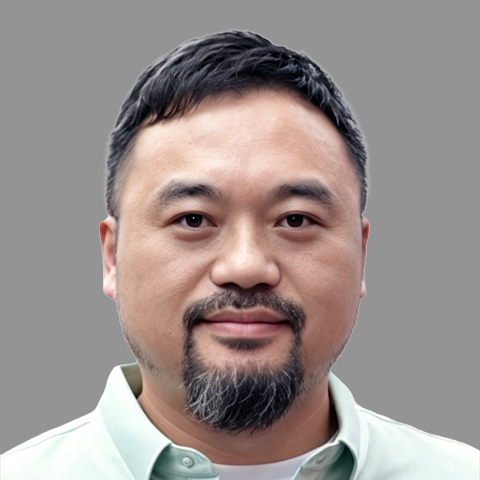
Dr. Shuhua Xu (China)
Fudan University-Shanghai
Dr. Shuhua Xu is a Professor of Human Population Genetics at Fudan University and Director of the Center for Evolutionary Biology. He leads large-scale population genomics and pangenome initiatives, including the Chinese and Asian Population Pangenome Consortia (CPC & APC), integrating long-read sequencing, structural variation, and chromatin architecture data. His work focuses on building high-resolution genomic resources to support precision medicine, population health, and translational research across diverse Asian populations. Dr. Xu has published in leading journals including Nature, Science, and Cell, and collaborates extensively with academic, clinical, and industry partners worldwide.
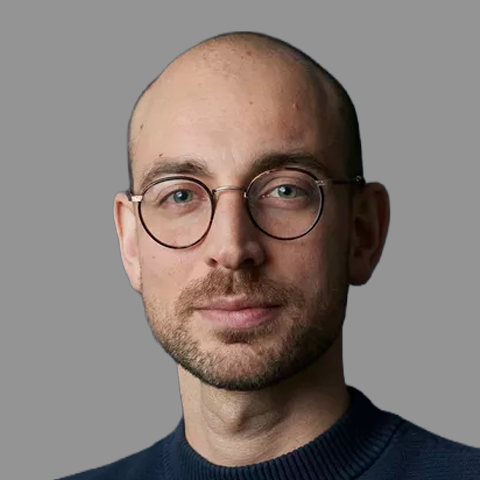
Dr. Andrea Ganna (Finland)
University of Helsinki
Andrea Ganna is an Associate Professor at FIMM and HiLIFE, University of Helsinki, and a Senior Group Leader at Human Technopole. He is also Associate Faculty at the ELLIS Institute Finland and an ELLIS member.
His research lies at the intersection of human genetics, epidemiology, and artificial intelligence. He develops statistical and machine-learning methods to integrate genetics, electronic health records, national health registries, and other molecular data to predict disease trajectories, understand heterogeneity in disease risk and treatment response, and improve disease prevention. A major focus of his work is the development and evaluation of AI models using population-scale health data and their translation into clinically useful and generalizable tools.
He is the recipient of an ERC Starting Grant and the Leena Peltonen Prize for Excellence in Human Genetics, and has co-led major international initiatives including the COVID-19 Host Genetics Initiative and the INTERVENE consortium. He also initiated ML4HEALTH, a nationwide Finnish health-data research program.
Dr. Manolis Dermitzakis (Qatar)
Qatar Precision Health Institute
Manolis is currently President of the Qatar Precision Health Institute. He is also co-founder and the CEO of Antithesis Therapeutics Previously, he was VP and Head of Computational Biology at GSK, Professor of Genetics in the Department of Genetic Medicine and Development, University of Geneva Medical School, Founding Director of the Health2030 Genome Center and Director of the Institute of Genetics and Genomics in Geneva. He was vice-chair of the Swiss Personalized Health Network Genomics Task Force, and also member of the Swiss Institute of Bioinformatics. He previously served as Chairman of the National Council for Research, Technology and Innovation and advisor to the Prime Minister in Greece. He also served as president of the World Hellenic Biomedical Association (2014-2015). He obtained his B.Sc. (1995) and M.Sc. (1997) from the University of Crete (Greece) and his PhD in 2001 from the Pennsylvania State University in the USA. His post-doctoral work was at the University of Geneva Medical School. He previously was a Senior Investigator at the Wellcome Sanger Institute in Cambridge. He was elected EMBO member in 2014, recipient of the 2017 Bodossakis science award, has been named Highly Cited Researcher by ISI every year since 2014 and he was the recipient of the Curt Stern award from the American Society of Human Genetics in 2021. He has over 200 publications and his work has bene cited more than 120,000 times. His research has been funded by the Swiss NSF, the NIH, the ERC and the Wellcome Trust among others. His research focuses on the genetic causes and mechanisms of human disease. He has had leading roles in the ENCODE, Mouse Genome Sequencing, the International HapMap, the 1000 genomes and GTEx projects. He has served in the Board of scientific journals such as Science, eLIFE, PLoS Genetics and as Chief Editor in Frontiers in Genetics.
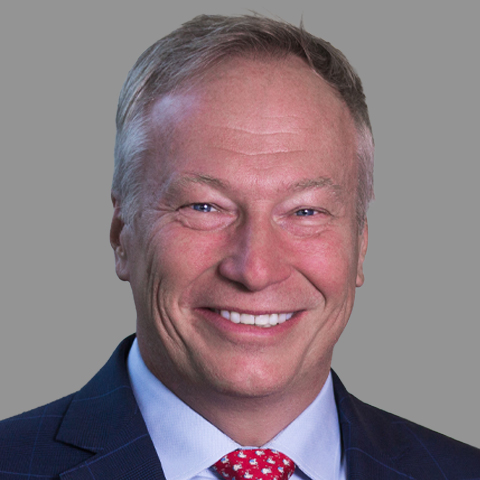
Larry Stack (USA)
Chief Commercial Officer - Quantinuum
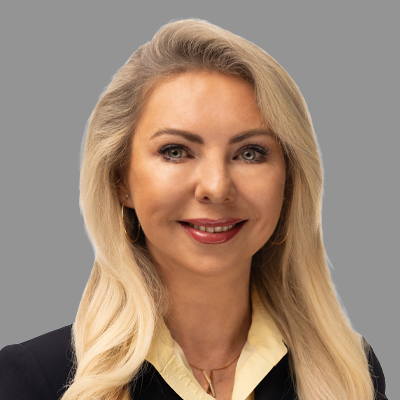
Dr. Alexandra Kropotova (USA)
EVP & CHEIF MEDICAL OFFICER- SAB BIO
Dr. Kropotova MD, MBA is our Executive Vice President & Chief Medical Officer, joining SAB in June, 2022 to lead the strategy, direction, and execution of the company’s clinical development for the entire portfolio. Dr. Kropotova is a biopharmaceutical executive with expertise in all phases of global clinical development, translational medicine and medical affairs. Prior to joining SAb Biotherapeutics, as a Therapeutic Area Head of Global Specialty R&D at Teva Pharmaceuticals, Alexandra led innovative drug development focused on delivering a broad portfolio of immunology, respiratory, and immuno-oncology assets spanning from pre-IND to BLA/NDA filing of biologics and complex drug-device combination products. Prior to Teva, Dr. Kropotova served in various roles at Sanofi, including Vice President, Strategy & Strategic Planning Head, North American Medical Affairs; Associate Vice President and subsequently Vice President, Immuno-Inflammation, Global R&D Clinical Development; and Senior Medical Director, Respiratory, Allergy & Anti-Infectives. She also served in various roles at Pfizer Inc., most recently as Director & Head of Global Clinical Respiratory and Analgesics. She continues to serve on the Board of Directors at iBio, a global leader in plant-based biologics manufacturing and development of novel biopharmaceuticals. Dr. Kropotova received her MBA from Ohio University Graduate School of Business, Athens, Ohio; and her M.D. in Internal Medicine from the Vladivostok State Medical University, Vladivostok, Russia.
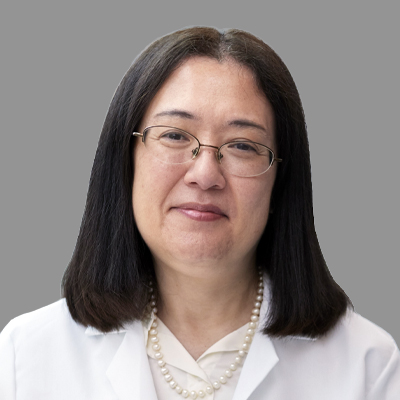
Dr. Wendy Chung (USA)
Boston Children's Hospital
Wendy Chung, MD, PhD, is Chief of the Department of Pediatrics of Boston Children’s Hospital, Mary Ellen Avery Professor of Pediatrics at Harvard Medical School, and President of the Children’s Hospital Pediatric Associates. She is the PI of GUARDIAN (Genomic Uniform-screening Against Rare Diseases in All Newborns), a study that explores the utility of whole-genome sequencing for screening newborns for rare and, for the most part, treatable genetic conditions.
Dr. Chung joined Boston Children’s from Columbia University Irving Medical Center/NewYork-Presbyterian Morgan Stanley Children’s Hospital, where she served as Chief of the Division of Clinical Genetics within the Department of Pediatrics, the Associate Director for Education at the Herbert Irving Comprehensive Cancer Center, the Medical Director for the Columbia Genetic Counseling Graduate Program, and the Precision Medicine Resource Leader at the Irving Institute. Dr. Chung was also a Kennedy Family Professor of Pediatrics in Medicine who leads the Chung Laboratory at Columbia University Medical Center.
With more than 20 years of experience as a clinical and molecular geneticist, Dr. Chung has directed many National Institutes of Health-funded research programs. She was the tenured Kennedy Family Professor of Pediatrics and Medicine and currently serves as the Director of Clinical Research at the Simons Foundation Autism Research Initiative (SFARI), where she leads two large autism and neurodevelopmental disorder cohorts, SPARK and Searchlight. She was also the Director of the Pediatric Neuromuscular Network Molecular Core and the New York Obesity Center Molecular Genetics Core.
Dr. Chung received her BA in biochemistry and economics from Cornell University, her MD from Cornell University Medical College, and her PhD in genetics from Rockefeller University.
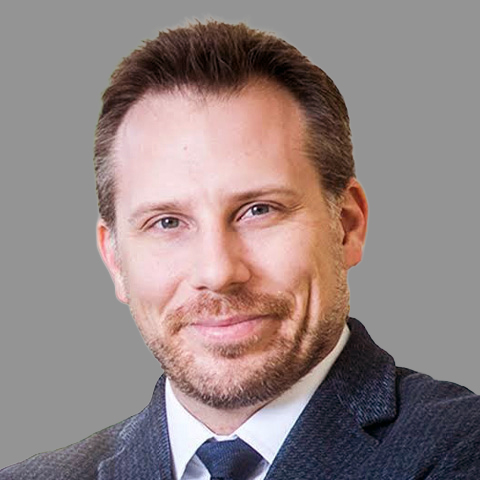
Dr. Matthew Might (USA)
UAB Hugh Kaul Precision Medicine Institute
Senior Lecturer on Biomedical Informatics
Matt Might has been the Director of the Hugh Kaul Precision Medicine Institute at the University of Alabama at Birmingham (UAB) since 2017. At UAB, he is the Hugh Kaul Kaul Endowed Chair of Personalized Medicine, a Professor of Internal Medicine and a Professor of Computer Science. His research at UAB focuses on precision prevention, diagnosis and therapeutics across rare disease, cancer and common/chronic conditions. A principal theme in his research is the use of computer and data science to enhance clinical and academic medicine.
From 2016 to 2018, Might was a Strategist in the Executive Office of the President in The White House. At The White House, he worked primarily on President Obama's Precision Medicine Initiative with both the NIH and the Department of Veterans Affairs.
In 2015, Might joined the faculty of the Department of Biomedical Informatics at Harvard Medical School. At DBMI, his research focuses on rare disease discovery and diagnosis, and on the development of personalized therapeutics for rare disease.
Might is co-founder and Chief Scientific Officer of NGLY1.org, a non-profit dedicated to finding treatments for NGLY1 deficiency, and he was a co-founder and Scientific Advisor to Pairnomix, a start-up which identifies potential patient-specific therapies for rare disorders. Q State Biosciences acquired Pairnomix in October 2018, and Might remains a Scientific Advisor.


Moza Al Naemi
Qatar Science & Technology Park (QSTP)
Moza Al Naemi is a sustainability professional with a multidisciplinary background in science, policy, and industry. Holding dual Master's degrees in Environmental Sciences and Environmental Decision Making, she is currently finalizing her PhD focused on sustainable agricultural soils.
Her career reflects a deep commitment to applied environmental solutions, beginning at Qatar Energy in the Health, Safety, and Environment department. She now drives innovation at Qatar Science & Technology Park (QSTP), managing projects critical to Qatar's sustainability goals.
With a foundation in Biology and Political Sciences from the American University of Beirut, her expertise bridges the gap between scientific research and practical policy implementation, making her a valuable voice for actionable climate strategies.
Nasser Ali Al-Kaabi
Invest Qatar
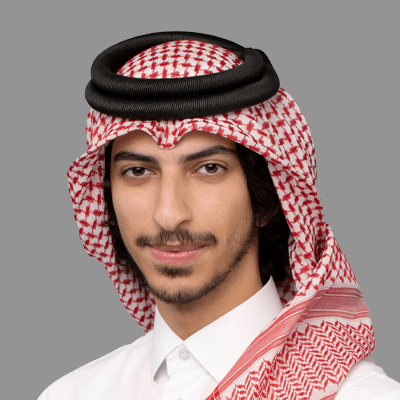
Nasser Ali Al-Kaabi is an Investor Relations Senior Specialist at Invest Qatar, specializing in the strategic promotion of investment opportunities within key industries. In his role, Nasser undertakes initiatives across the Americas, where he is responsible for identifying and cultivating relationships with potential investors to set-up base in Qatar and engages with local stakeholders to continuously refine Qatar’s economic landscape. Furthermore, Nasser serves on the board of the U.S.-Qatar Business Council (USQBC), an entity established to enhance economic collaboration between the United States and Qatar. Nasser holds a Bachelor of Science in Foreign Service with a Major in International Politics from Georgetown University, Edmund A. Walsh School of Foreign Service in Qatar.
Amanda Griffiths
Compass Catering Service
Soft Services Delivery Manager, Compass Group Qatar – Sidra Medicine
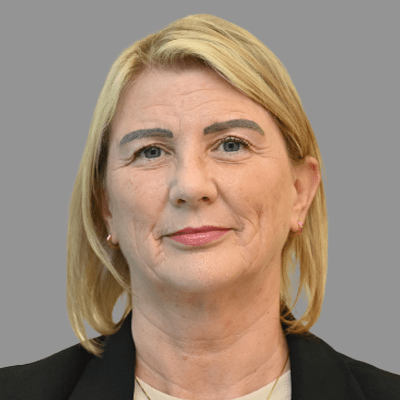
Amanda Griffiths is an experienced leader in soft facilities management, overseeing multi-service healthcare operations at Sidra Medicine since 2017. She specializes in contract management, team development, and delivering high-quality, sustainable services in complex healthcare environments. Prior to her current role, Amanda held senior operational positions in the UK with ISS Facility Services, managing large-scale healthcare and banking portfolios across major institutions.
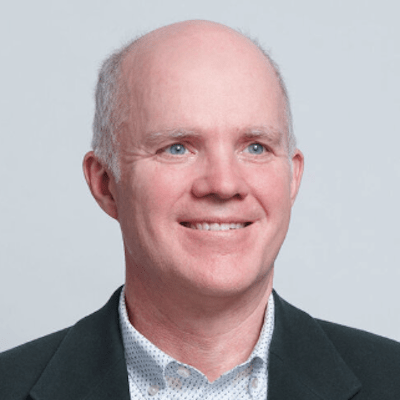
Dr. Devyn Smith
Arbor Biotechnologies
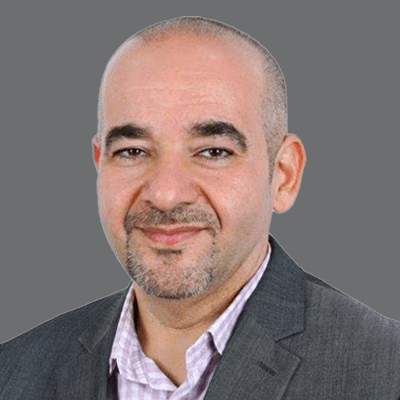
Devyn Smith is the Chief Executive Officer and a board member of Arbor Biotechnologies, joining the company in April 2021. A recognized leader in regenerative medicine, he is a long-standing board member and former Chairman of the Alliance for Regenerative Medicine (ARM) and advises several biotechnology companies. Before Arbor, Devyn served as Chief Operations Officer and Head of Strategy at Sigilon Therapeutics, and spent over a decade at Pfizer in senior strategy and operations roles across R&D, including leading the Neusentis Research Unit in the UK and shaping strategy within Pfizer’s Medicinal Sciences Division. Devyn began his career in management consulting at Adventis Corporation and The Frankel Group, where he led numerous projects in regenerative medicine, gene therapy, and biologics, and contributed to multiple publications and conference presentations. He holds a Ph.D. in Genetics from Harvard Medical School, an M.S. in Biology from Idaho State University, and a B.S. in Zoology from Brigham Young University. He also serves as adjunct faculty at Northeastern University.
Dr. Thomas Soini
Quantinuum
Lead R&D Scientist & Scientific Project Manager
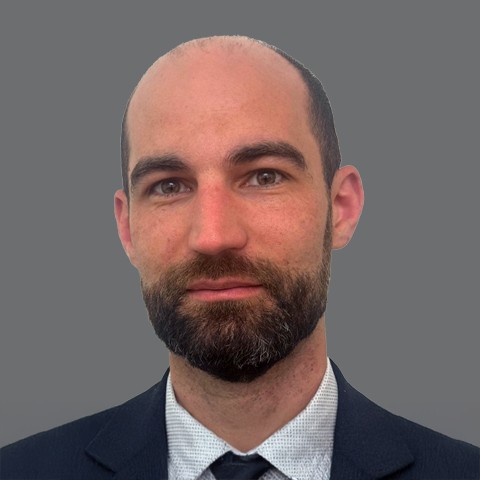
Thomas Soini obtained his PhD in computational chemistry for his work in scientific software development for high-performance computing and research into novel density functional theory methods. Leaving academia, he joined at "Software for Chemistry & Materials (SCM)" as scientific software developer. Over time he shifted into more application, customer and consulting focused roles and gained experience with a wide range of use cases around computational chemistry and materials modelling. During this time he also became exposed to quantum computing which led a position as product manager for qubit control software at Zurich Instruments. Thomas joined Quantinuum in November 2024 as Scientific Project Manager and Lead R&D scientist for quantum chemistry, where he works on applying quantum computing to real-world applications for a wide range of industries.
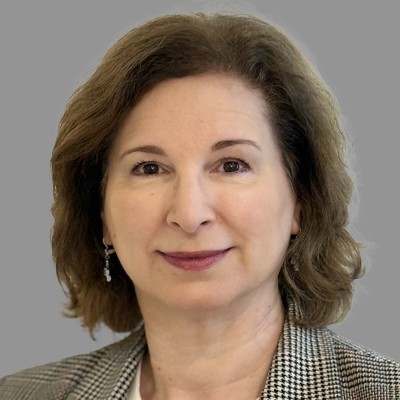
Dr. Gabriela Cimpan
Quantinuum
Partner Manager
Gabriela has been part of the sales and business development team at Quantinuum since 2021, and is based in London, UK. She holds a degree in chemical engineering and a PhD in chemistry and has authored scientific papers and academic courses. Her career spans academic positions and business roles, always working in highly innovative scientific fields. Gabriela has worked with the life sciences, pharma and biotech industries throughout her career, specialising in computing applications, and more recently quantum computing. As such, she had the opportunity to understand and advise on solutions for many complex use cases, gaining a broad experience with interconnected research areas.


Dr. Piero Del Boccio
Piero Del Boccio Ph.D is Associated Professor of Biochemistry, Department of Science, "G. d'Annunzio" University Chieti, Italy. His scientific experience has been mostly focused on the identification and characterization of novel molecular biomarkers in different area of Biomedical Research (mainly neurodegenerative disorders) by proteomics and metabonomics approach, giving a key contribution in the identification of specific post-translational modifications of proteins and altered lipidomics profiling in CSF of Multiple Sclerosis subjects. In the last years His research was focuses on tears, considered a window on the nervous system, demonstrating that the Extracellular Vesicles (EVs) work as shuttles able to allow molecular cross-talk between CSF and tears. Those results were obtained thanks to a new developed protocol in collaboration with other resident groups at the Centre of Advanced Studies and Technology (CAST), consisting in an optimized proteomics approach for the study of FACS-sorted EVs from untouched biological samples. Such a new strategy was employed in a wide range of biomedical issues. He is currently the Head Researcher of the Proteomics and Metabolomics core Facility at CAST, University “G. D’Annunzio”, Chieti, Italy. https://www.cast.unich.it/facilities/proteomics-and-metabolomics.

Raphaël
Over the past 7 years, Raphaël has played a key role in Lunaphore’s emergence as a global leader in the Spatial Biology field, spearheading strategic global initiatives, including the launch and worldwide deployment of the COMET flagship technology platform.
Raphaël has established key strategic partnerships with academic research institutes and global biopharma companies to foster the adoption of spatial proteomics and multiomics. He is passionate about democratizing spatial biology and have led programs to expands the technology reach in Asia, Africa and the Middle East. Raphaël will present today on.”
Moiz : it is part of an existing system and it is a part. it will make it better.

Dr. Piero Chiacchiaretta
Piero Chiacchiaretta, PhD, is a Physicist at the University “G. d’Annunzio” of Chieti-Pescara, with expertise in atmospheric physics, computational modeling and multi-omics data integration. His research focuses on the interaction between air pollution, climate variability and human health, applying exposome science, aerosol characterization and indoor air quality studies, including work on aerosol transmission and SARS-CoV-2 in confined environments. He leads the OMNIS platform for high-dimensional proteomics and metabolomics workflows. He heads the Advanced Computing Core at UdA, supporting high-performance pipelines for precision medicine and environmental health, and contributes to national competitive research programs integrating environmental data, molecular signatures and clinical phenotypes.

Dr. Frank Schmidt
Professor of Biochemistry and Biophysics
Director of the Proteomics Core
Weill Cornell Medicine - Qatar
For about 22 years, Frank Schmidt has been working in the field of host-pathogen interactions with a strong focus on proteomics and immunoproteomics. He has a strong background in the biochemistry of proteins and their analysis by mass spectrometry. In previous work, he mainly studied the patho-mechanisms of bacteria such as mycobacteria, streptococci, salmonella and staphylococcus after contact with human cells at the proteome level using various single or multiplex methods. For the past 12 years, he has extended his research to human liquid biopsies and has studied cohort material from various studies. In addition to mass spectrometry, he also performs analysis using Olink or Flexmap 3D and specializes in the measurement of proteins and their bioinformatic analysis. He is currently Professor of Biochemistry at WCMQ in Qatar and Honorary Professor in Krems, Austria. He has published about 130 research papers in the field of proteomics and is a member of the BD-HPP and Chromosome teams at HUPO. His current group consists of 10 members and he runs a unique proteomics platform including all the above mentioned methods.

Ole Messing
Ole joined Olink Proteomics in mid 2023, serving as Regional Sales Manager for the territory of Middle East Africa (MEA). His responsibilities include developing the territory and collaborations between regional and global thought leaders in population health, translational research, and precision medicine.
Prior to entering proteomics, Ole spent over 20 years in the Life Science Sales market developing the market for clinical NGS and spatialomics in biomarker discovery, pharmaceutical development, and basic research. He lives in Berlin, Germany.

Dr. Gregory Penner
Dr. Gregory Penner received a PhD from the University of Saskatchewan in crop genetics and molecular biology. After building the first cereal molecular genetics lab with the Canadian government, he led wheat genomics globally for Monsanto Inc. Together with Ximena Vedoya he founded a fee-for-service aptamer company in Canada, NeoVentures Biotechnology Inc. In 2015, they cofounded Neoventures Biotechnology Europe in Paris, France and developed the Aptamarker platform. The initial application was the discovery of biomarkers for Alzheimer’s disease and subsequently the platform expanded to all medical states. Throughout all of these experiences there is a common thread of commitment to the application of mathematics to deep data to solve biological questions.

Dr. Esra Barakat
Esra Barakat is a dedicated researcher with expertise in proteomics, biochemistry, and molecular biology, specializing in the application of advanced technologies like SomaScan® for disease biomarker discovery. Results-driven Team Leader for the Field Application Scientists team supporting SomaScan business at SBI.
In her current position at SBI, Esra has utilized her technical expertise to support the adoption and implementation of cutting-edge high-affinity proteomics technology, The SomaScan Assay. Her strong communication skills and ability to distill complex scientific concepts into actionable insights have been invaluable in her collaborations with researchers and clinicians.
Essra's most notable achievement has been her instrumental role in the successful onboarding of numerous high-profile clients. Through her proactive approach, in-depth product knowledge, and dedication to exceptional customer service, she has consistently exceeded targets and expanded SomaScan’s Technology reach in the market.

Dr. Michael Evans
Dr. Michael Evans is the European Sales Director at Alamar Biosciences, Inc., bringing over 20 years of experience in the life sciences industry. Throughout his career, he has driven high growth and innovation across companies of all sizes, including founding two successful start-ups. Michael holds a BSc in Biochemistry, an MSc in Biotechnology, and an MBA. He is currently pursuing a part-time PhD in Molecular Epidemiology. Passionate about science and its real-world impact, Michael is dedicated to translating cutting-edge research into meaningful commercial applications.

Dr. Eric Johansen
Dr. Eric Johansen, Ph.D., is an R&D Applications Scientist at CDI Laboratories, having joined the company in August 2024. He graduated from Cornell University in 2018 with a double major in Biology and Chemistry, concentrating in Biochemistry, and a minor in life sciences business. Dr. Johansen then completed his Ph.D. in Chemical Biology at Johns Hopkins University in 2024 in the lab of Dr. Heng Zhu, whose research focuses on the development of multiplexed high-throughput screening technologies for drug discovery and protein interactions. The focus of Dr. Johansen's thesis work was the use of virion display technology to identify an endogenous ligand for the orphan GPCR GPRC5B. This research involved applying and refining assay development techniques to characterize the role of this GPCR and its ligand in the development and progression of obesity and type 2 diabetes.

Dr. Alan Lowton
Dr. Alan Lowton moved to the commercial science sector from research 16 years ago. Based for over 7 years in the Middle East, Alan’s role with Olink as Field Applications Scientist in the ME Channel Partner Region is to provide support for customers and their research projects. Prior to this he worked in the direct market in London for over 9 years for ThermoFisher Scientific, supporting some of the industry’s largest companies in different market segments. This commercial background combined with 5 years of research experience in Singapore has instilled in him the ability to communicate in step with scientist, customers and colleagues alike. Alan earned his PhD at The National University of Singapore for his work on Gene Delivery Systems and Nucleoprotein Trafficking and holds a degree from The University of Leeds in Genetics & Microbiology.

Dr. Diana Anuar
Dr. Diana Anuar is a Malaysian scientist and project manager specializing in protein microarray technology and translational proteomics, with over 15 years of experience in applied research and clinical biomarker discovery. Holding a PhD in Medical Sciences from The Australian National University, she leads global initiatives at Standard BioTools (KREX Division) in autoantibody profiling, assay optimization, and protein microarray development for precision medicine.
Known for bridging science, innovation, and collaboration, Dr. Anuar has contributed to international projects spanning neurodegenerative and autoimmune diseases, advocating for data integrity and standardized proteomic workflows. Her work reflects a balance of scientific excellence and human insight—mentoring researchers, advancing diagnostic technologies, and promoting knowledge-sharing across disciplines.
Beyond her scientific pursuits, she is deeply interested in Islamic psychology, history, and classical music—interests that nurture her creativity and reflect her philosophy of lifelong learning.
At PMFG 2025, she will present Mapping Immunity – The Power of KREX-Based Antibody Profiling for Disease-Relevant Biomarkers.
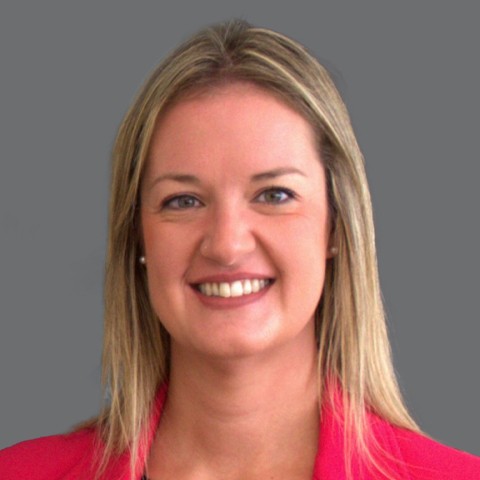
Dr. Sara Tomai
Sidra Medicine
Principal Investigator – Associate Level
Dr. Sara Tomei completed her degree in Biology and Human Evolution at the University of Rome “Tor Vergata” (Italy) before earning her PhD in Experimental and Molecular Oncology from the University of Pisa (Italy). Prior to joining Sidra Medicine, she served as a Visiting Scientist at the National Institutes of Health (Bethesda, United States), where her interest was focused in understanding the genetic determinants of immune responsiveness in melanoma. She also worked as a Post-Doctoral Associate at Weill Cornell Medicine in Qatar, where she applied genomic approaches to understand the susceptibility of the Qatari and Arab populations to multifactorial diseases, including obesity and diabetes. At Sidra Medicine (2014-present) Dr. Tomei has established a Core Facility for DNA and RNA isolation and high-throughput genomic profiling. She manages an excellent team of research specialists to serve Sidra Medicine needs and collaborative initiatives. Since 2023, Dr. Tomei is Acting Director of the Advanced Research Cores (ARC). In this role, she is overseeing the activities of the Clinical Genomics, Omics, Genomic Data Science, Flow Cytometry, Advanced Imaging, and Zebrafish Cores as well as implementing new platforms for a large-scale biorepository.
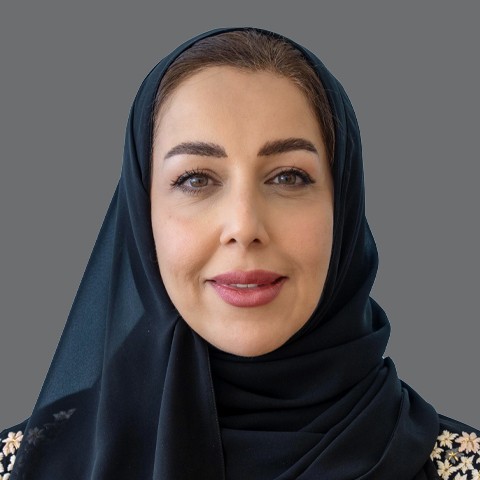


Dr. Giusy Gentilcore
Sidra Medicine
Dr. Giusy Gentilcore is the Manager of the Flow Cytometry Core at Sidra Medicine. She holds a Doctorate in Clinical Pathology from the “University G. D’Annunzio” of Chieti, Italy, and advanced degrees in Cancer and Environment from the “University of Sannio”, Italy, Biotechnological Sciences from “University Federico II”, Italy, as well as Nutrition, and Hospital Management from “SDA Bocconi/Columbia University”. She completed the SITC Women in Cancer Immunotherapy Network (WIN) Leadership Program in 2023.
An expert in cancer immunology, immune-related diseases, and advanced flow cytometry technologies, she has developed Sidra Medicine’s Flow Cytometry Core since 2014, supporting scientific and clinical research across the Middle East.
Under Dr. Giusy Gentilcore’s direction, Sidra Medicine has built a robust regional platform for state-of-the-art flow cytometry services and training, scientific research, and advanced training—strengthening the institution’s role in shaping precision medicine across the Middle East and internationally.
Her research focuses on developing strategies to advance translational research, biomarker discovery, and precision medicine in both adult and pediatric populations.

Dr. Abbirami Sathappan
Sidra Medicine
Dr. Abbirami Sathappan is the Lead of the Advanced Imaging Core Facility at Sidra Medicine, which she established from the ground up in 2017. Under her leadership, the AIC has grown into one of the region’s most advanced microscopy and imaging centers, providing cutting-edge platforms for optical microscopy, high-content imaging, and spatial proteomics to support translational and precision medicine research.
Dr. Sathappan earned her PhD in Hematology, Oncology, and Translational Medicine from the University of Genova and holds a Master’s in Biomedical Engineering from Imperial College London. Since joining Sidra Medicine in 2014, she has played a pivotal role in driving imaging innovation across research and clinical collaborations, including projects in cancer immunology, pediatric tumors, and maternal health. She is deeply committed to training and capacity building, having conducted numerous international workshops and microscopy courses at leading institutions including the Marine Biological Laboratory (MBL) in Woods Hole, KAUST, and New York University Abu Dhabi. Her research focuses on characterizing the tumor microenvironment and decoding immune–tumor interactions using advanced imaging and spatial technologies.
Dr. Sathappan’s leadership has positioned Sidra Medicine as a regional hub for quantitative imaging, bridging technology, research, and education to advance precision medicine in the Middle East and beyond.

Gemma Carpio Reyes
Sidra Medicine
Senior Administrative Assistant
Gemma Carpio Reyes is a Senior Administrative Assistant in the Office of the Chief Research Officer (CRO) at Sidra Medicine. She earned her Bachelor of Arts in Psychology in 2007 from the University of Batangas, Philippines. In her role, Gemma provides administrative and organizational support to the CRO office, helping to ensure the smooth coordination of daily activities and research-related operations.

Evonne Chin-Smith
Sidra Medicine
Project Manager
Evonne Chin-Smith is a Project Manager at Sidra Medicine, where she oversees strategic research initiatives within the Metabolic and Mendelian Disorders Clinical Research Program. She specializes in project governance, lifecycle management, and operational excellence, ensuring alignment with institutional priorities and compliance standards. With a PhD in Cell Biology and a strong background in translational and clinical research, Evonne applies structured project management frameworks to drive efficiency, quality, and innovation across multidisciplinary teams. Her work is dedicated to advancing research outcomes that enhance human health and wellbeing.

Awais Tariq
Sidra Medicine
Specialist - Mobile Applications
With over 15 years of experience, Awais builds web, mobile, and desktop applications that are practical, user-friendly, and reliable. At Sidra Medicine, he leads the development of innovative healthcare solutions, acting as a true one-stop shop for software—from idea and design to build, delivery — combining creativity with precision to deliver impactful results.

Abdulrahman Subaiey
Sidra Medicine
Post Doctoral Fellow
Dr. Abdulrahman is a Post Doctoral Fellow at Sidra Medicine specializing in neuroimmunology and immune dysregulation. His research focuses on identifying novel autoantibodies in pediatric autoimmune epilepsy. Dr. Abdulrahman was recently awarded by Her Highness Sheikha Moza bint Nasser with the Rising Star Award for his achievements that bridge research, entrepreneurship, sustainability, and innovation.

Abdul-Aziz Zaghmout
Sidra Medicine
Abdul-Aziz Zaghmout is a Digital Media Expert with over 15 years of full-time experience in digital communications for international organisations, including more than 10 years within the governmental museums and cultural sector. Based in Qatar and fluent in English and Arabic, he brings extensive expertise in digital strategy development and implementation across public relations, marketing, and communications divisions. At Sidra Medicine, Abdul-Aziz leads digital content strategy, overseeing website management, physician biography development, event microsite creation, analytics-driven user experience enhancements, and YouTube content oversight. His work ensures that patient education, public engagement, and healthcare innovation are supported through timely, accessible, and engaging digital communications.
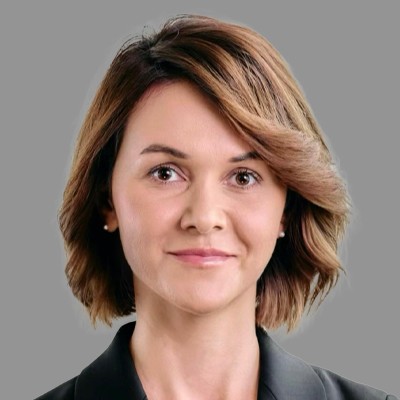
Dr. Elvira Shishenina
Quantinuum
Elvira Shishenina is the Senior Director of Strategic Initiatives at Quantinuum, where she leads global efforts to explore industrial pathways to quantum advantage. She brings a wealth of experience from her pioneering work at BMW Group, where she spearheaded quantum computing research for material simulation, and at TotalEnergies, where she contributed to innovations for sustainable energy. Elvira holds a PhD in Mathematics from French Inria and is an alumna of the prestigious École Polytechnique in Paris.
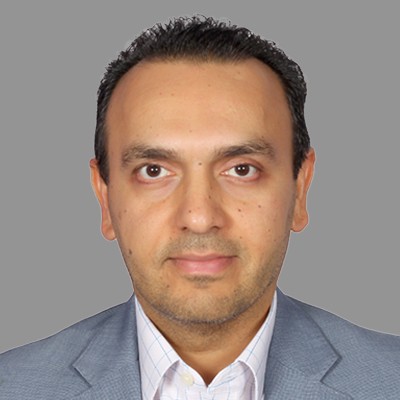
Amit Batra
Microsoft
Amit Batra is Microsoft’s Chief AI & Health Transformation Officer for EMEA, partnering with health systems and ministries to accelerate precision medicine, population wellness, and AI‑powered clinical operations.
With 23+ years in Healthcare and Life Sciences, he has led large‑scale innovation across digital health, genomics, and research platforms; translating cutting‑edge technology into actionable insights and measurable outcomes. Operating across the USA and Middle East, Amit shapes national roadmaps, builds cross‑industry alliances, and enables organisations to modernise care models while optimising clinical resources and improving community outcomes.
A trusted advisor to CEOs, ministers, and boards, he aligns digital strategy with operating priorities, governance, interoperability, data privacy, workforce enablement, and financial sustainability; to de‑risk transformation and deliver impact at scale. Before Microsoft, Amit held senior roles at EY and Deloitte, where he led complex, multi‑stakeholder programmes for ministries and major providers across MENA and the USA.
He is recognised for pragmatic execution, ecosystem partnership building, and results‑driven delivery. Outside of work, Amit is passionate about fitness and yoga, enjoys cricket, football, and golf, and maintains a strong interest in emerging technologies and investing.
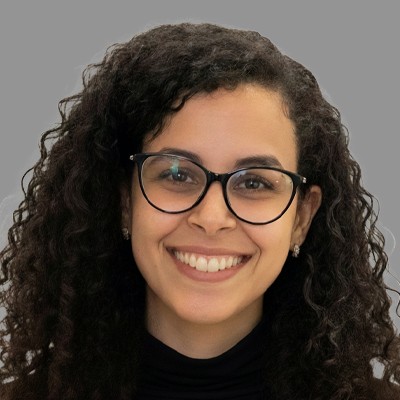
Tilila El Moujahid
Microsoft
Tilila El Moujahid currently drives the AI Go-to-Market strategy within Microsoft Middle East to democratize and expand the use of Data and AI technologies. She is a proven leader at the intersection of cloud, AI and life sciences. Drawing on her experience in the biotech industry as well as Customer Success, she engages with healthcare executives to design and deliver on their digital transformation roadmaps.
Her strategic leadership is built on a 16+ years foundation as a data scientist and a recognized Subject Matter Expert (SME) in genomics and bioinformatics within Microsoft. Tilila has extensive, hands-on experience helping Medtech companies and Genomics ISVs in particular in incorporating advanced Analytics and AI into their solutions. As a former Senior AI & ML Cloud Solution Architect with a special focus on genomics, she architected complex cloud solutions involving secondary and tertiary analysis pipelines that were put to market.
Tilila is a Fulbright scholar and holds a Master of Computer Science focused on Bioinformatics. She is a frequent speaker at major conferences and enjoys speaking about AI’s applications in healthcare. Outside of work she enjoys spending time with her family, solving jigsaw puzzles and reading fiction.
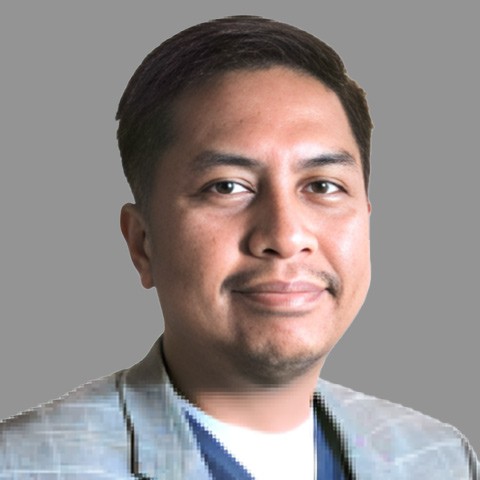
Dr. Rozaimi Razali
Qatar University
Dr. Rozaimi Razali is an Assistant Professor in the Department of Biomedical Sciences (QU-Health), Qatar University. A computational biologist by training, he which focuses on population genetics, ancient DNA, and multi-omics applications in precision health. He earned his PhD from Imperial College London. Prior to joining QU, he worked as a Post-Doctoral Fellow at Sidra Medicine, Qatar and King Abdullah University of Science and Technology (KAUST) in Saudi Arabia. His recent scholarship includes contributions to large Middle Eastern multi-omics efforts . He also develops and teaches bioinformatics curricula and runs hands-on workshop series at QU and for PMFG.
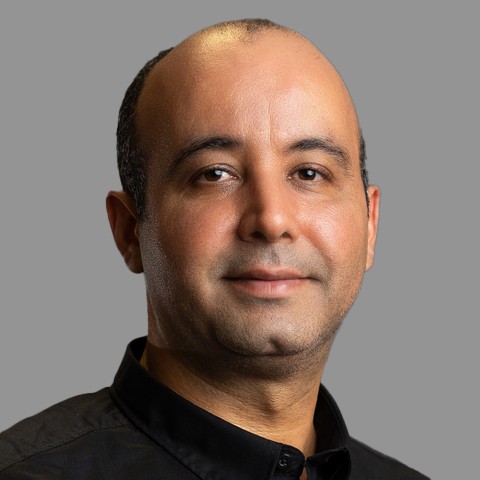
Dr. Houari Abdesselem
HBKU
Dr. Houari Abdesselem earned his PhD in Neurobiology from the University of Konstanz, Germany, in 2009. His doctoral research focused on the role of NOGO-66 myelin-associated proteins in nervous system regeneration. Following his PhD, he pursued postdoctoral training in the United States at Weill Cornell Medicine in New York and the University of Michigan in Ann Arbor, where he investigated neuronal guidance molecules involved in nervous system development.
In 2012, Dr. Abdesselem joined Weill Cornell Medicine-Qatar as a research fellow, studying the role of SIRT1 in obesity. He later joined the Qatar Biomedical Research Institute (QBRI), part of Hamad Bin Khalifa University (HBKU), where he was appointed Laboratory Manager in 2016. At QBRI, he managed the Neurological Disorders Research Center and managed a research group focusing on alpha-synuclein proteins in Parkinson’s disease. His work contributed to the development of novel tools that advanced the understanding of the molecular mechanisms underlying Parkinson’s disease.
In 2019, Dr. Abdesselem established the Proteomics Core Facility at HBKU, introducing and implementing state-of-the-art biomarker technologies such as Olink, Sengenics, CDI, and Quanterix. Under his leadership as a Core Lab Manager, the facility became fully certified and operational, serving as a key resource for precision medicine and biomarker discovery. Dr. Abdesselem also serves as a Lecturer at HBKU’s College of Health and Life Scineces.
Alongside his leadership and management roles, Dr. Abdesselem has authored numerous peer-reviewed publications in high-impact scientific journals, contributing to the advancement of neuroscience, proteomics, and translational research in the region
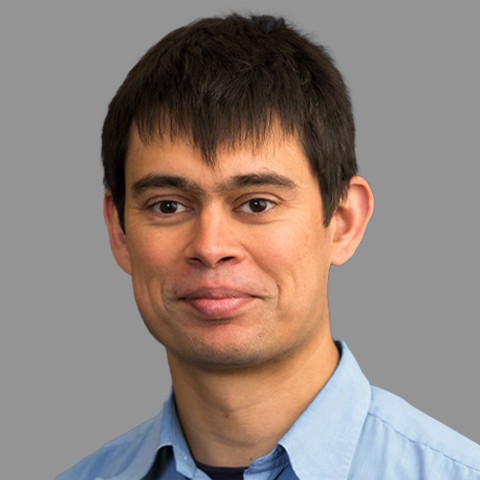
Dr. Gonçalo Abecasis
Vice President
Dr. Gonçalo Abecasis serves as the Vice President and Chief Genomics and Data Science Officer at Regeneron Genetics Center (RGC) where he oversees statistical genetics and quantitative data sciences, driving novel genomic discovery.
Prior to joining RGC, he was a member of the RGC Scientific Advisory Board and Director of University of Michigan's Genomics Initiative and the Felix Moore Collegiate Professor of Biostatistics. In 2014, Dr. Abecasis received the Curt Stern Award from the American Society of Human Genetics for his contributions to the analysis and understanding of complex human traits and, in 2013, he won the Overton Prize from the International Society for Computational Biology for the tools and methods he developed for the analysis of increasingly large datasets. Dr. Abecasis received his undergraduate degree in genetics from the University of Leeds and his PhD in Human Genetics from the University of Oxford.
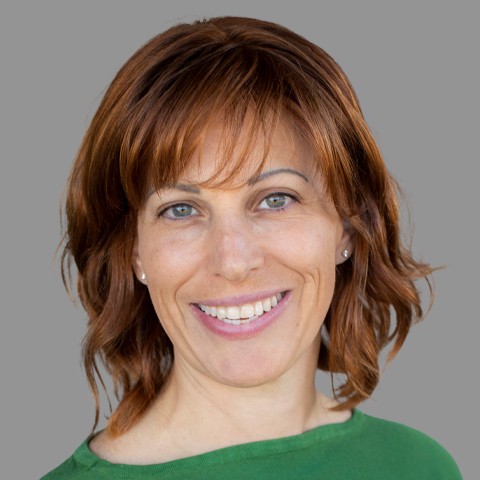
Julia Vitarello
Mila’s Miracle Foundation
Julia Vitarello is Founder & CEO of Mila’s Miracle Foundation. Her life has taken her from Washington, DC, where she grew up, to Amherst College, where she pursued a liberal arts degree, and then to Italy, where she lived and worked for many years. She finally settled in Boulder, Colorado, where she headed a small company and started a family. Travel, language, outdoor sports, and playing with her kids were her passions. But Julia’s life took a drastic turn in December 2016 when her then six-year-old daughter Mila was diagnosed with a rare and fatal genetic condition - Batten Disease.
Upon learning that Mila’s disease had no cure and no child had ever survived it, Julia started Mila’s Miracle Foundation (MMF) to initiate and fund novel treatments. She raised nearly $5M in grass-roots efforts from over 6000 supporters, while at the same time being a mom and caregiver. In an unprecedented race against time to save her daughter, Julia collaborated alongside Dr. Timothy Yu and his team at Boston Children’s Hospital (BCH) to develop the first-ever drug tailored to just one person, affectionately named milasen. After showing great promise in the first year of treatment, Mila’s disease slowly continued to progress. In February 2021, Mila’s big spirit left her little body. What began as a race to save Mila’s life, has since turned into an opportunity to pave an entirely new treatment path for children with fatal genetic diseases.
In her quest to open up the field of individualized medicines which Mila pioneered, Julia has engaged academics, biotechs, government and foundations in this space and created a global following of Mila’s story. In addition to running MMF, Julia co-founded the N=1 Collaborative which serves as the global scientific hub for medicines like milasen, as well as EveryONE Medicines, a biotech seeking to prove a viable business model where there currently isn’t one. Julia regularly presents at scientific meetings and conferences around the world. In collaboration with fellow rare disease foundations, she initiated the work toward an ongoing novel gene replacement therapy trial targeting Mila’s variant of Batten (CLN7) and a Neurodegenerative Disease Clinic at Children’s Hospital Colorado. Through MMF, Julia co-runs the first-ever single cell atlas of pediatric disease with BCH, funds basic science research in the US and Europe, and hosts meetings with industry experts and rare disease patient advocates alike. Driven by a sense of hope and responsibility to help other families like her own, Julia is dedicated to turning Mila’s story into a new treatment path for children across rare diseases. Her foundation is now primarily focused on the “Mila to Millions” campaign, aiming to make individualized medicines a routine way of treating rare disease worldwide.
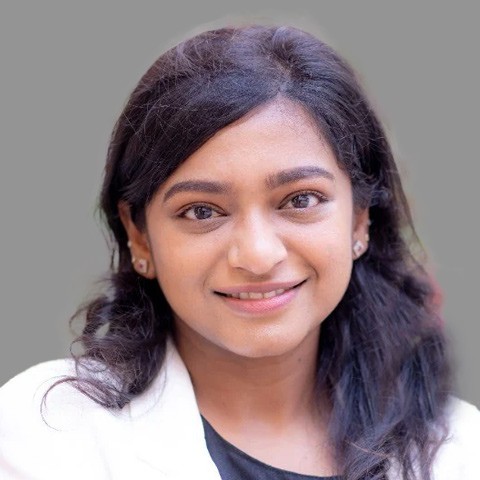
Dr. Abbirami Sathappan
Sidra Medicine
Dr. Abbirami Sathappan is the Lead of the Advanced Imaging Core Facility at Sidra Medicine, which she established from the ground up in 2017. Under her leadership, the AIC has grown into one of the region’s most advanced microscopy and imaging centers, providing cutting-edge platforms for optical microscopy, high-content imaging, and spatial proteomics to support translational and precision medicine research.
Dr. Sathappan earned her PhD in Hematology, Oncology, and Translational Medicine from the University of Genova and holds a Master’s in Biomedical Engineering from Imperial College London. Since joining Sidra Medicine in 2014, she has played a pivotal role in driving imaging innovation across research and clinical collaborations, including projects in cancer immunology, pediatric tumors, and maternal health. She is deeply committed to training and capacity building, having conducted numerous international workshops and microscopy courses at leading institutions including the Marine Biological Laboratory (MBL) in Woods Hole, KAUST, and New York University Abu Dhabi. Her research focuses on characterizing the tumor microenvironment and decoding immune–tumor interactions using advanced imaging and spatial technologies.
Dr. Sathappan’s leadership has positioned Sidra Medicine as a regional hub for quantitative imaging, bridging technology, research, and education to advance precision medicine in the Middle East and beyond.
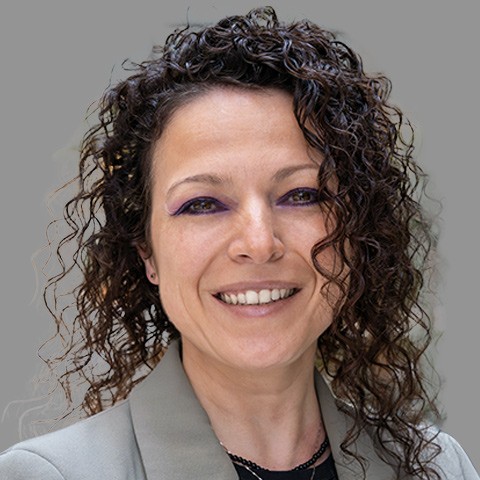
Dr. Giusy Gentilcore
Sidra Medicine
Dr. Giusy Gentilcore is the Manager of the Flow Cytometry Core at Sidra Medicine. She holds a Doctorate in Clinical Pathology from the “University G. D’Annunzio” of Chieti, Italy, and advanced degrees in Cancer and Environment from the “University of Sannio”, Italy, Biotechnological Sciences from “University Federico II”, Italy, as well as Nutrition, and Hospital Management from “SDA Bocconi/Columbia University”. She completed the SITC Women in Cancer Immunotherapy Network (WIN) Leadership Program in 2023.
An expert in cancer immunology, immune-related diseases, and advanced flow cytometry technologies, she has developed Sidra Medicine’s Flow Cytometry Core since 2014, supporting scientific and clinical research across the Middle East.
Under Dr. Giusy Gentilcore’s direction, Sidra Medicine has built a robust regional platform for state-of-the-art flow cytometry services and training, scientific research, and advanced training—strengthening the institution’s role in shaping precision medicine across the Middle East and internationally.
Her research focuses on developing strategies to advance translational research, biomarker discovery, and precision medicine in both adult and pediatric populations.

Dr. Rajeeb Hazra
Quantinuum
Rajeeb (Raj) Hazra is CEO of Quantinuum and has more than three decades of experience in supercomputing, quantum, and technical roles across the globe. Prior to joining Quantinuum, he served as the General Manager, Compute and Networking Business Unit at Micron Technologies, and spent 25 years at Intel Corporation, leading the Enterprise and Government Group, Technical Computing Group, Supercomputer Architecture and Planning, and Systems Technology Research. Before joining Intel in 1995, Raj was with the Lockheed Corporation based at NASA’s Langley Research Center. He prides himself on building high- performing teams with a growth mindset and a culture of truth and transparency. Raj has a Ph.D. and a master’s degree in Computer Science from the College of William and Mary in Virginia, U.S., and a bachelor’s degree in Computer Science from Jadavpur University in Kolkata, India, and holds 16 patents.

Dr. Ingrid Fernandez
Hewlett Packard Enterprise (HPE)
Dr. Ingrid Fernandez is a strategic leader in HPC, AI, and life sciences, driving technological advancements in genomics, Cryo-EM, and computational chemistry. With a PhD from Stanford University, Ingrid has held leadership roles at HPE, Microsoft, Hitachi Data Systems, and Cisco, where she built solutions, market strategies and industry partnerships.
At HPE, she leads the Health and Life Sciences vertical, focusing on infrastructure modernization, AI/ML integration, and cloud adoption initiatives for health and life sciences organizations. A former Stanford professor, Ingrid bridges the gap between academic research and enterprise innovation, leveraging HPC, AI, and hybrid cloud to advance precision medicine and digital health solutions.
Now based in Miami, Florida, she continues shaping the future of life sciences through strategic technology leadership and innovation.
Dr. Ingrid Fernandez is a strategic leader in HPC, AI, and life sciences, driving technological advancements in genomics, Cryo-EM, and computational chemistry. With a PhD from Stanford University, Ingrid has held leadership roles at HPE, Microsoft, Hitachi Data Systems, and Cisco, where she built solutions, market strategies and industry partnerships.
At HPE, she leads the Health and Life Sciences vertical, focusing on infrastructure modernization, AI/ML integration, and cloud adoption initiatives for health and life sciences organizations. A former Stanford professor, Ingrid bridges the gap between academic research and enterprise innovation, leveraging HPC, AI, and hybrid cloud to advance precision medicine and digital health solutions.
Now based in Miami, Florida, she continues shaping the future of life sciences through strategic technology leadership and innovation.

Rama Chakaki
Qatar Science & Technology Park (QSTP)
Rama Chakaki’s passion is at the intersection of impact and tech investing. She is a tech professional with 30 years of experience in media, telecom, edtech, fintech and AI.
Rama is currently President at Qatar Science & Technology Park (QSTP), leading the organization’s mission to make Qatar the global hub for deep tech and impact. She is a partner at Transform VC, a firm on a mission to unlock the potential of our community’s tech entrepreneurs to each make a billion and impact a billion. She also took on a COO role at aiXplain, a Transform VC portfolio company on a mission to democratize AI.
Rama co-founded VIP.fund, a non-profit incubating technologies to empower 2,500+ marginalized youth in the Middle East. Run by its beneficiaries and a volunteer community, VIP.fund has built a tech platform and digital support community that crowdfunds for higher education and creates employment opportunities in tech.
Rama also founded Baraka Ventures, the first impact tech incubator in the Arab world; worked on projects supporting the Qatar 2022 World Cup Bid as a social impact strategy advisor, the World Bank Group as a communications advisor to the UAE Ministry of Labor and Kuwait Ministry of Finance, and Etisalat UAE as an advisor for a youth market product strategy; and built BarakaBits, the first digital content platform focused on good news out of the Middle East.
As the COO of Eastnets, a global provider of compliance and payments solutions for the financial services industry, Rama led two investment rounds and scaled the business from 22 to 200 employees. In her late 20s, she, along with five colleagues in Washington, D.C., raised $60m in funding to build 11 data centers worldwide.
Rama holds a M.S. and B.S. in computer engineering and engineering management from George Washington University and continued education in scaling impact from Stanford University. Rama has been featured in Forbes Arabia, Arab Women Rising, and The Power of Presence, among other publications. She is a 2017 TedxBeaconStreet speaker.

Dr. Ahmed Alqatatsheh
IBM Quantum EMEA
Lead, IBM Quantum EMEA
IBM Research
Dr. Ahmed Al-Qatatsheh leads the quantum business, including quantum strategy formulation and development, as well as quantum computing and research collaboration for IBM Quantum in the Middle East and Africa. Dr. Ahmed is an IBM Senior Quantum Ambassador and QISKIT Advocate, as well as a leading researcher in material science, nanotechnology, and quantum computing. His research focuses on practical applications in aerospace, automotive, defense, healthcare, and sustainability. Dr. Ahmed aims to address real-world challenges using material science, quantum technology, and nanoscale innovations. With a strong track record in academia and industry, Dr. Ahmed has conducted collaborative research with renowned institutions, including the Australian Nuclear Science and Technology Organisation (ANSTO), the Commonwealth Scientific and Industrial Research Organisation (CSIRO), and the Innovative Manufacturing CRC (IMCRC). Before working with IBM, Ahmed worked for renowned international companies in the areas of Automotive, Electric Vehicle, and Consulting.
Dr. Ahmed has made significant contributions to advancing quantum computing, particularly in addressing computational challenges and exploring new architectures and algorithms in materials science for superconductivity and other material properties. His research in nanotechnology has enabled various applications, including sensing and actuation, as well as carbon capture solutions, that offer innovative approaches to mitigating climate change.
Ahmed’s passion for STEM education and Industry 4.0 is evident in his advocacy for international collaboration and knowledge exchange. He has led discussions and delivered presentations to senior executives and policymakers, informing their strategic decisions for the smooth adoption of advanced technologies and building eco-systems for innovation. Ahmed’s commitment to mentoring future scientists and innovators ensures his work remains relevant and impactful in the ever-evolving technological landscape. Dr. Ahmed has a strong publication record, including several high-impact articles in top-tier journals, as well as book chapters and conference papers.

Dr. Frank Lee
IBM Storage
Distinguished Engineer & Director, IBM Storage
frankli@us.ibm.com
Frank Lee, Ph.D., is a Distinguished Engineer and Director at IBM Storage, where he leads technical strategy, solution architecture, and expertise empowerment for go-to-market. A seasoned technologist and cross-functional leader, Frank bridges research, engineering, development, and sales to drive innovation in enterprise data and storage platform, AI-driven infrastructure and hybrid cloud solutions.
A recognized thought leader in high-performance computing (HPC), software-defined infrastructure, and cloud-to-edge architectures, Frank has pioneered reference frameworks and integrated solutions adopted by global enterprises. His High-Performance Data & AI (HPDA) architecture for Healthcare & Life Sciences has been widely implemented by leading institutions and enterprises, accelerating breakthroughs in genomics, precision medicine, and large-scale research data management.
Frank is also an innovator in the field of AI-infused metadata, with patents, peer-reviewed publications, and keynote presentations at top-tier conferences. His work empowers organizations to harness hybrid cloud, AI, HPC, and next-gen storage for transformative business outcomes.
With a Ph.D. in Molecular Genetics from WashU, Frank contributed to the historic Human Genome Project and remains a subject matter expert in bioinformatics and genomics. Today, he represents IBM in many global precision medicine initiatives, helping shape the future of data-driven healthcare.
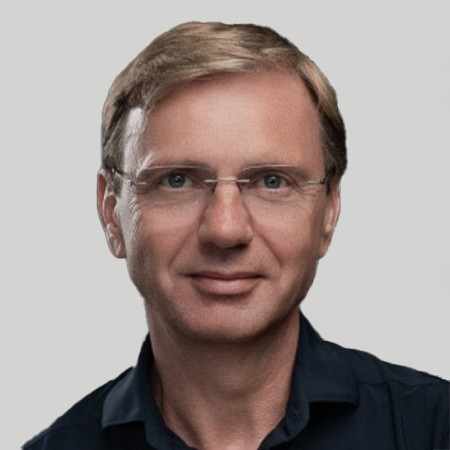
Dr. Frank Schmidt
Weill Cornell Medicine in Qatar
Dr. Frank Schmidt is Associated Professor of Biochemistry and Director of the Proteomics Core of Weill Cornell Medicine in Qatar. He completed his doctorate at the Max Planck Institute for Molecular Genetics in Berlin, where he carried out the robot activities required for the production of human protein arrays. In addition, he gained initial experience in the field of protein-related mass spectrometry. During his diploma thesis, he developed bioinformatic evaluation strategies to identify proteins from microarrays using polypeptides and mass spectrometry. He then joined the Proteomics group at the Max Planck Institute for Infection Biology in Berlin, where he wrote his dissertation. During this time he dealt with the biochemical characterization and quantification of proteins from pathogens such as Mycobacterium tuberculosis and Helicobacter pylori. After completing his dissertation, he worked at the Center for Human Proteomics in Dublin (Ireland) and then at the Biotechnology Center of Oslo, which is part of the University of Oslo. There he mainly characterized protein profiles and signaling cascades of various apoptosis-induced human cell lines. After a short time at the Helmholtz Center in Leipzig, he worked for more than 10 years as a group leader at the Interfaculty Institute for Genetics and Functional Genomics, where he was able to combine his experience in the field of proteomics in particular in the characterization of microorganisms and human cells. In 2019, he moved to WCM-Q where he focused on mass spectrometry and multiplex analysis in various types of diseases.
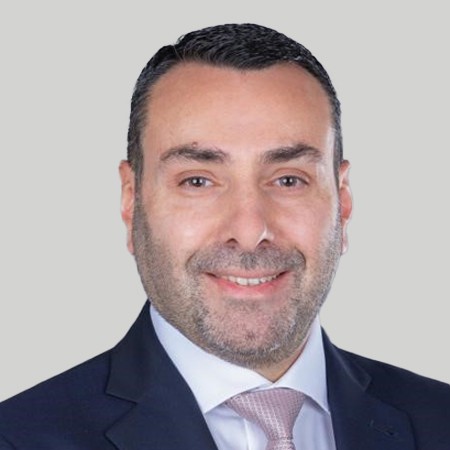
Dr. Slim Slama
World Innovation Summit for Health (WISH)
Dr. Slim Slama is the Chief Executive Officer of the World Innovation Summit for Health (WISH) at Qatar Foundation. He is an internal medicine specialist and a public health expert with over 25 years of experience in global health.
For more than a decade at the World Health Organization (WHO), his role was Regional Adviser for Non-Communicable Disease (NCD) prevention and management at the WHO Regional Office for the Eastern Mediterranean.
He transitioned to the Head of the Management-Screening, Diagnosis, and Treatment Unit (MND) where he provided strategic leadership and oversaw the development and implementation of a portfolio focused on early detection, diagnosis, and management of NCDs, including cardiovascular diseases, cancer, diabetes, chronic respiratory diseases, oral health, and digital health solutions. His work also extended to implementation research and managing NCDs in humanitarian settings.
Dr. Slama played a crucial role in developing the first WHO NCD emergency kit in 2017. Since then, he has led WHO's efforts on NCDs in emergency situations, as well as, a 10-year tenure on the board of Doctors Without Borders Switzerland.
Dr Slama holds a Swiss Board Medical Degree in Internal Medicine and a Master’s degree of Public Health from the London School of Hygiene and Tropical Medicine. Additionally, he co-founded and served as the Programme Director of the Geneva Health Forum, which promotes action-driven and innovative debate around healthcare issues.
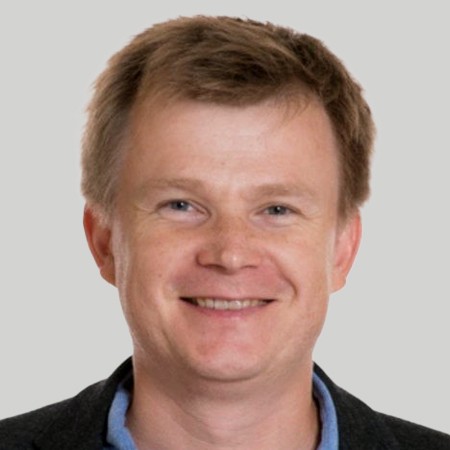
Dr. Vladimir Katanaev
Qatar Biomedical Research Institute
Dr. Vladimir Katanaev is the Scientific Director of the Translational Oncology Research Center at the Qatar Biomedical Research Institute. He leads efforts to bridge basic, translational, and clinical research, focusing on developing targeted therapies for cancer patients. He is committed to advancing the understanding of fundamental cellular mechanisms, exploring how their dysfunction contributes to disease, and translating this knowledge into innovative therapeutic strategies. Dr. Katanaev has made significant contributions to the field through his research on signal transduction pathways and their implications in cancer and other diseases. His work has been widely recognized and published in leading scientific journals.
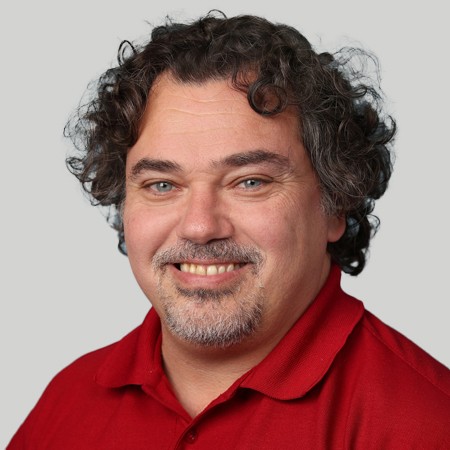
Dr. Nicholas Katsanis
Co-Founder, Executive VP and Chief Science Officer,Galatea Bio.
Dr. Nicholas Katsanis is an internationally recognized scientist and executive in genetics, cell biology, and drug discovery. Over a distinguished career in academia and the private sector, he has led interdisciplinary teams and international consortia to address critical challenges in genome interpretation, disease mechanisms, and the development of novel treatments and cures. His contributions are reflected in more than 350 publications in premier journals (H-index 119) and nine patents. He has also been instrumental in securing over $200M in grant and venture funding from the US and Europe.
His achievements have been honored with international awards, including the Curt Stern Award from the American Society of Human Genetics and the E. Mead Johnson Award from the American Pediatrics Society—marking the first time in 25 years the latter was awarded to a PhD scientist. He has also delivered endowed lectures and served in advisory roles for governments, foundations, and corporations worldwide.
Throughout his career, he has guided teams across computational and experimental biology, developing innovative tools and concepts that are now applied broadly across biomedicine.
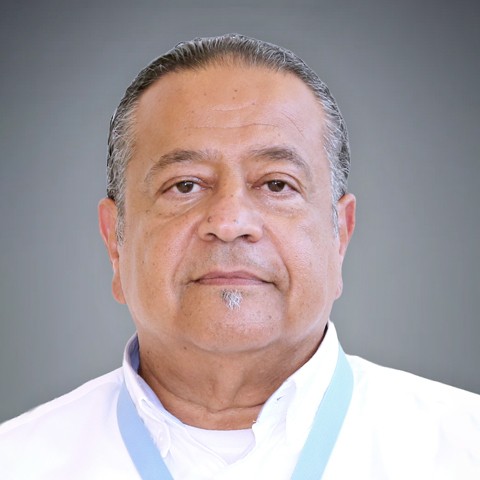
Dr. Fahd Al-Mulla
Dasman Diabetes Center
Professor/Consultant and Head of Molecular Pathology and Genomic Medicine at Kuwait University,
Chief Scientific Officer& Head of the Translational research Department at Dasman Diabetes Institute
Adjunct Faculty at Joe R. and Teresa Lozano Long school of medicine at the University of Texas Health Science Center at San Antonio
Fahd Al-Mulla is a professor of molecular pathology and genomic medicine at Kuwait University. He is currently the Chief Scientific Officer at Dasman Diabetes Institute. Fahd established 2 laboratories at Kuwait University; The former is a large research core facility that serves about 600 academics, students, and researchers, and the latter is a molecular diagnostic laboratory that he heads. Fahd has a broad background in genetics, with specific training and expertise in genomics and precision medicine.
Fahd received his Medical Doctorate and Ph.D. from Glasgow University. He is a Fellow of the Royal College of Physicians of Edinburgh. Fahd Al-Mulla has extensive experience in genomic related technologies and intellectual property development. He currently holds 11 patents related to diabetes, wound healing, and cancer. He established the Office for Technology Transfer and Patenting at Kuwait University and Dasman Diabetes Institute, which helped in the patenting of numerous ideas. As an author for Nature’s Biotechnology blog, his mandate is to build collaborative partnerships, invest in institutional outputs, generate capital and resources, and promote public awareness regarding the importance of scientific research in resolving the Arab society’s problems, especially pertaining to diabetes, obesity, and cancer. To that end, he serves as a Chair of the Evidence group in the Global Genomic Medicine Collaborative (G2MC) , served as a Chair of the International Confederation of Countries Advisory Council of the Human Variome Project.
Prof. Al-Mulla’s initial work focused on cancer metastasis. He has established early evidence of cancer genetic heterogeneity within primary tumors and between primary tumors and their synchronous metastases. Later in his career, he strived to illuminate genetic aberrations associated with the metastatic signature. To that end, he identified two metastasis suppressor genes, namely Carbonyl Reductase and Raf Kinase Inhibitory Proteins, which Al-Mulla and his team characterized further during the years.
Later, Prof. Al-Mulla focused his efforts and expertise on the next stage of his research to address the metabolic syndrome, sleep apnea and diabetes in his society. Given the endemic nature of central obesity in Kuwait, which affects about 74% of the population, there is an urgent need to address the predisposition of our people to various types of diabetes at individual and national levels. He directly documented the genetic factors that predispose our population to metabolic dysregulation. These studies emphasized the polygenic and heterogenic nature of metabolic disorders. As PI or Co-investigator on several local grants focused on genetic variations linked to diabetes, obesity, and metabolic syndrome, he laid the ground for the proposed research by developing “CODeR” a comprehensive prospective population-based diabetes registry system maintained by the Dasman Diabetes Institute for surveillance of children and adolescents with diabetes diagnosed in Kuwait.
With respect to the worldwide pandemic of COVID-19, SARS-CoV-2, Prof. Fahd has taken instrumental proactive actions in alignment with the MOH to support the nation and the international scientific community by being the first to fully sequence the SARS-CoV2 virus in the Middle East and North Africa and publishing 51 high impact manuscripts that addressed published on COVID-19 till date.
Wound healing in diabetes is another focus he ventured into, where he identified the precise signaling pathways disrupting cellular motility. He identified key signaling pathways responsible for wound healing and applied targeted drugs to ameliorate the healing process. In addition, Prof. Al-Mulla identified cardinal dysregulated redux signaling pathways in pre- and post- diabetic stages.
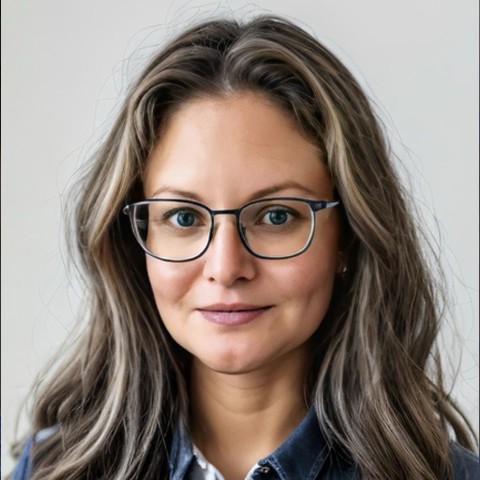
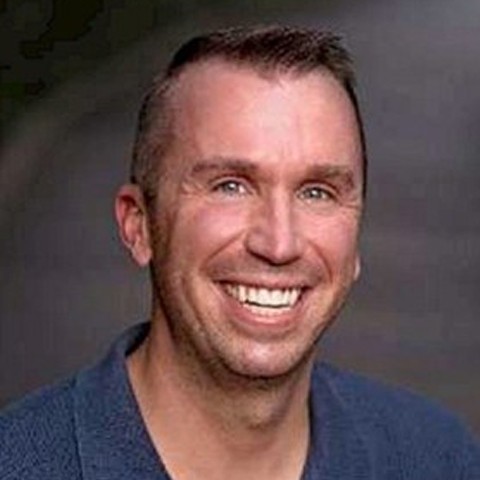

Dr. Mark Hughes
Zetta Genomics
Mark is a results-driven leader with over 25 years of experience in Pharma and Biotechnology. A seasoned expert in Product Management, Business Development, and Commercial Strategy, Mark specializes in delivering cutting-edge solutions in Bioinformatics and Computational Biology. His insights to guide innovations from concept to market, overseeing the full sales cycle, and delivering transformative solutions.
From pioneering new product innovations to mastering the full sales cycle, Mark has a track record of transforming complex challenges into strategic opportunities. His deep technical knowledge spans Sequence Analysis, DNA Sequencing, Bioinformatics, Genomics, Systems Biology, Transcriptomics, and Enterprise Software.
Armed with a PhD in Genetics from the University of Liverpool, Mark combines scientific precision with business acumen to empower organizations and accelerate breakthroughs. Passionate about advancing the future of biotechnology, and the intersection of science and commerce, which is where he brings impactful solutions to market and building partnerships that deliver results.
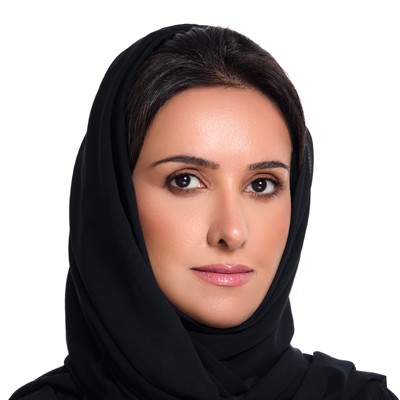
Dr. Wadha Al Muftah
Qatar Genome
Dr Wadha Al Muftah is a physician-scientist and one of the founding leaders of the Qatar Genome Programme, where she has been instrumental in advancing Qatar precision health agenda. She currently serves as Chief Medical & Operations Officer at Qatar Precision Health Institute, leading strategy and operations across precision health initiatives.
At Qatar Genome, Dr Al Muftah has driven the realization of the program strategic objectives, leading the development of frameworks for the responsible return of genomic findings, grounded in sound science and ethical principles. She has also launched pioneering genome interpretation projects and advanced reporting solutions. She also leads clinical projects integrating genomic discoveries into clinical practice and strengthening knowledge transfer to the wider community. Working closely with partners including Hamad Medical Corporation, Sidra Medicine, and Primary Healthcare Corporation, she has spearheaded studies such as the impact of pharmacogenetics testing on cardiovascular drugs.
With over a decade of research experience, Dr Al Muftah has authored multiple publications, presented at international conferences, and contributed to advancing regional and global genomics. She also serves on national health committees, including the Advisory Committee for Biomedical Sciences Programs at Qatar University and the National Health Strategy 3.
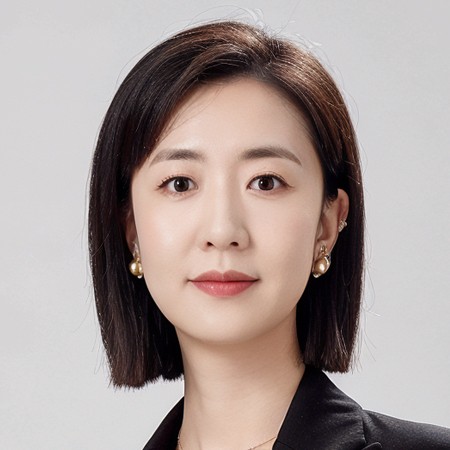
Dr Yan LI
BGI
With 13 years in genetics and multiomics studies of human complex traits, Dr Yan LI earned her PhD at the University of Hong Kong (supervised by PLINK pioneer Prof. Pak Sham), proposing two lumbar disc degeneration pathogenic mechanisms.
She later worked as an exchange scholar at Harvard-MIT’s Broad Institute (Dr. Benjamin Neale) on cross traits analysis.
At BGI, she identified longevity genes, uncovered schizophrenia-longevity genetic trade-offs, and developed methods for organ biological age estimation and health evaluation via omics data.
Her current focus is on new age-related biomarkers and health-aging assessment technologies.

Dr. Fowzan Alkuraya (Saudi Arabia)
Lifera Omics
Fowzan S Alkuraya is the Chief Medical and Genomics Officer of Lifera Omics, a Professor of Human Genetics at Alfaisal University and an Adjunct Principal Scientist at the Center for Genomic Medicine at King Faisal Specialist Hospital and Research Center. He joined medical school (King Saud University) before turning 15 and graduated first in his class with first class honor. He did his pediatric residency at Georgetown University Hospital, followed by a fellowship in clinical genetics and another in molecular genetics at Harvard Medical School. He also did a postdoctoral research fellowship in the area of developmental genetics in the lab of Prof. Richard Maas at Harvard Medical School. He returned to his native Saudi Arabia to establish the Developmental Genetics Lab, which later evolved into the Center for Genomic Medicine at KFSHRC before he moved to Lifera Omics to help expand access and implementation of Precision Medicine. He is an authority in the area of Mendelian genetics with more than 600 published manuscripts that describe his lab’s discovery of hundreds of novel disease genes in humans as well as many other seminal contributions to the field of human genetics as featured in profiles published by The Lancet and Science. He is a frequently invited speaker at local, regional and international conferences, on the editorial board of prominent human genetics journals, and the recipient of numerous prestigious awards including William King Bowes Award in Medical Genetics (first non-US based winner), King Salman Award for Disability Research, ASHG Curt Stern Award (first non-US based winner), Sheikh Hamdan Award, and Kuwait Award.
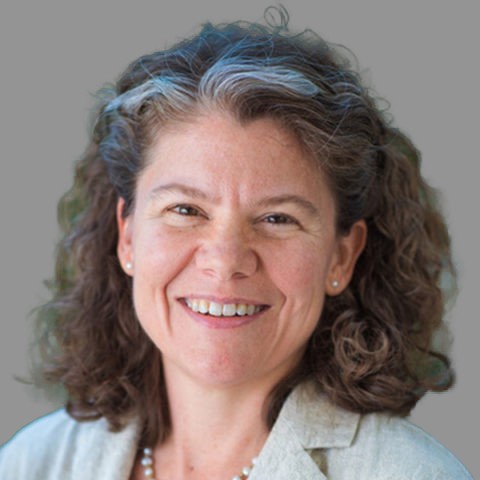
Dr. Heidi Rehm
The Broad Institute
Heidi Rehm, a human geneticist and genomic medicine researcher, is co-director of the Program in Medical and Population Genetics and an institute member at the Broad Institute. She is the chief genomics officer in the Department of Medicine at Massachusetts General Hospital (MGH), working to integrate genomics into medical practice with standardized approaches. She is also a professor of pathology at Harvard Medical School and faculty member of the Center for Genomic Medicine at MGH.
As a board-certified laboratory geneticist and chief medical officer of the Broad Clinical Laboratories, she is guiding genomic testing for clinical and clinical research use. She is a leader in defining standards for the interpretation of sequence variants and a principal investigator of a major NIH-funded effort called ClinGen (Clinical Genome Resource), providing free and publicly accessible resources to support the interpretation of genes and variants.
Rehm also co-leads the Broad Center for Mendelian Genomics with Anne O’Donnell-Luria and Michael Talkowski focused on discovering novel rare disease genes and co-leads the Matchmaker Exchange to aid in gene discovery. She is a strong advocate and pioneer of open science and data sharing, working to extend these approaches through her role as a vice chair of the Global Alliance for Genomics and Health. Rehm is also a principal investigator of the Broad-LMM-Color All of Us Genome Center, supporting the sequencing and return of results to a cohort of one million individuals in the U.S. and co-leading gnomAD, the Genome Aggregation Database.
Rehm serves as a board member and vice president of laboratory genetics of the American College of Medical Genetics and Genomics as well as an advisor to the Clinical Pharmacogenetics Implementation Consortium, Danish National Genome Center, Monarch Initiative, Ensembl, and CIViC database. She serves journal editor or advisor roles with American Journal of Human Genetics, Cell Genomics, and Genome Medicine.
Rehm received her B.A. degree in molecular biology and biochemistry from Middlebury College before earning her M.S. in biomedical science from Harvard Medical School and Ph.D. in genetics from Harvard University. She completed her post-doctoral training with David Corey in neurobiology and a fellowship in clinical molecular genetics at Harvard Medical School.

Dr. Aiman Erbad
Qatar University
Prof. Aiman Erbad is the VP of Research and Graduate Studies and Professor of Computer Science and Engineering at the College of Engineering in Qatar University. In 2005, Dr. Erbad obtained an MSc in Embedded Systems and Robotics from the University of Essex (United Kingdom). In 2012, he obtained his PhD in Computer Science from the University of British Columbia, Vancouver (Canada). Dr Erbad served as the Head of the Information and Computing Technology Division at the College from Sept 2021 to May 2024. Prior to this, he was the Director of Research Planning and Development at Qatar University from 2018 to 2020. He also served in Qatar University as the Director of Research Support responsible for all grants and contracts from 2016 to 2018, and as the Computer Engineering Program Coordinator from 2014 to 2016.
Dr. Aiman Erbad has extensive academic and technical experience in the areas of edge intelligence, cloud computing, Internet of Things (IoT), blockchain, and private and secure networks. Dr. Erbad received the Platinum award from HH The Amir Sheikh Tamim bin Hamad Al Thani at Education Excellence Day 2013 (PhD category). He received four international best paper awards and more than 12 major research grants from Qatar National Research Fund programs at Qatar Research, Development, and Innovation Council. He is an editorial board member in four international journals. He published more than 200 papers in top conferences and journals and helped organize many international IEEE and ACM conferences. Dr. Erbad obtained a Master in Business Administration (MBA) in 2023 and currently serves as a board member in Qatar Mobility Innovations Center (QMIC).

Dr. Ugur OZBEK
IBG Izmir Biomedicine and Genome Center
Prof. Dr. Dr. Ugur OZBEK is RareBoost project’s ERA Chair holder. Dr. Ozbek, MD, PhD, is a Professor in Genetics with an extensive research history on the delineation of the genetic and molecular mechanisms underlying childhood and adult hereditary cancers/hematological malignancies and rare/undiagnosed diseases. He is the national coordinator for Orphanet in Turkey since 2006. Dr. Ozbek is also working as a scientific advisory committee member at Health Institutes of Turkey (TUSEB) since 2016.

Dr. Reem Alsulaiman
Hamad Medical Corporation
Dr. Reem is the Chairperson, Medical Genetics Department at Hamad Medical Corporation (HMC) and Consultant in Genetic Counseling in Oncology.
In addition to her clinical and leadership roles in medical genetics, Dr. Reem is also the assistant chair of rare disease MDT and research committee (Doha-Heidelberg) at HMC, the vice president of Qatar Network of medical genetics, and a member of Qatar Precision Medicine Institute's (QPMI) Clinical Council and member of the National Qatar Genome Project Committee (QGP).
Dr. Reem had completed her clinical training and fellowship in genetic counseling at Sarah Lawrence College in New York was trained in different subspecialties of genetics, including prenatal, pediatrics, and adult genetics, focusing on cancer genetics main area of interest.
Dr. Reem was trained in multiple prestigious institutions in the USA, including Memorial Sloan Kettering, New York-Presbyterian, and Columbia Medical Centre in New York.
Dr. Reem then gained the American board of genetic counseling and became the first Qatari national board-certified genetic counselor in the country. Dr. Reem also received her Ph.D. in cancer counseling and psychotherapy from the University of Wales, Regents College in London; her research was honored as one of the 100 breakthroughs in the UK in 2018. Dr. Reem has multiple prestigious publications in pediatric and adult clinical and cancer genetics , particularly in rare disorders.
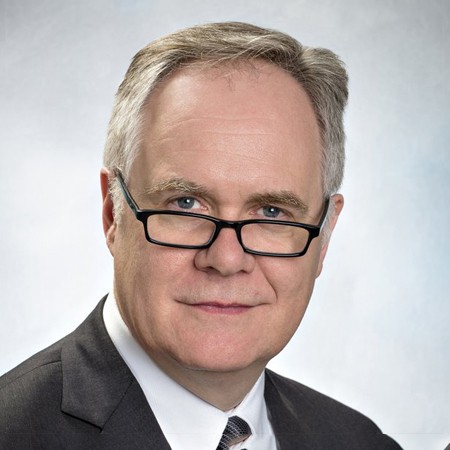
Dr. Calum MacRae
Mass General Brigham
Dr. Calum MacRae is a Professor of Medicine at Harvard Medical School and a cardiovascular expert at Brigham and Women’s Hospital, a founding member of Mass General Brigham, one of the world’s leading academic healthcare systems, bringing together renowned academic medical centers and specialty hospitals with acute-care community hospitals across Massachusetts, United States. At Brigham and Women’s, he is a member of the Cardiovascular Genetics Program, which provides comprehensive evaluation, diagnosis, and management for patients with inherited cardiac disorders. He is also a leading investigator in the Harvard Undiagnosed Diseases Center, and Principal Investigator of the Apple Health Study. In addition, he has co-founded two companies applying artificial intelligence to healthcare.
Dr. MacRae received his medical degree from the University of Edinburgh School of Medicine and his PhD in Human Genetics from the University of London. He trained in medicine and cardiology in Edinburgh and London before completing internal medicine training at Brigham and Women’s Hospital and cardiology training at Massachusetts General Hospital. He is board certified in internal medicine and cardiovascular disease. His clinical work focuses on identifying new disease phenotypes and systematically integrating novel tools, including genomics, into patient care. His research centers on the biology and genomics of disease, with particular emphasis on uncovering the mechanisms of common disorders. He holds multiple patents, has authored more than 300 peer-reviewed publications, and has received research funding from multiple NIH institutes, biopharma, and leading technology companies.
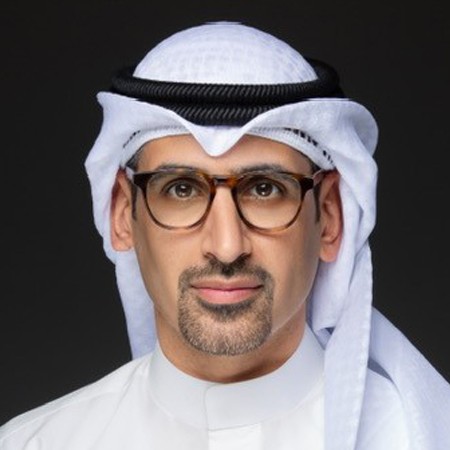
Dr. Hamad Ali Yaseen
Dasman Diabetes Institute
Dr. Hamad Yaseen Ali is an Associate Professor of Genomic Medicine at Kuwait University and a Senior Researcher at Dasman Diabetes Institute. His research focuses on the genetics of kidney disease, particularly autosomal dominant polycystic kidney disease (ADPKD) and diabetic nephropathy. He took part in the establishment of Kuwait’s first dedicated ADPKD clinic, integrating genetic services into patient care, and has been instrumental in advancing precision medicine initiatives in the region. Dr. Ali is also a member of the Ministry of Health–Dasman Ethical Review Committee, where he oversees the ethical conduct of clinical trials. He collaborates with leading international partners and serves on the editorial boards of several international journals in nephrology and genetics.
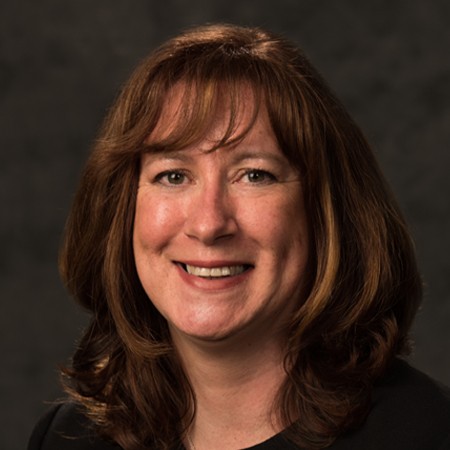
Dr. Sandi Deans
GEN-QA
Professor Sandi Deans is a Consultant Clinical Scientist and the Director of Genomics Quality Assessment (GenQA) a member of the UK National External Quality Assessment Service (UK NEQAS). The EQA Scheme delivers assessment of the standard of the full clinical genomics testing pathway through 120 different schemes. This includes clinical genetics, molecular genetics, molecular pathology, cytogenomic testing, newborn screening, prenatal diagnosis, preimplantation genetic testing and variant interpretation. She is working with multiple countries across the world to embed quality into genomic services.
She was the Deputy Director of the Genomics Unit, NHS England and led the clinical, scientific and laboratory team, and is responsible for the National Genomic Test Directory. She continues to work as a Consultant for the Genomics Unit. Previously she was the Senior Scientific Advisor within the Genomics Implementation Unit at NHS England for the delivery of the 100,000 Genomes Project.
Sandi also holds a chair as Professor of Clinical Genomics at the University of Edinburgh.
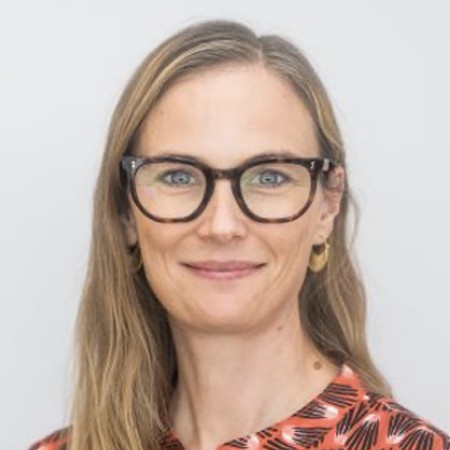
Dr. Claudia Langenberg
Queen Mary University
Claudia is the Director of the Precision Healthcare University Research Institute (PHURI) at Queen Mary University of London and a visiting scientist at the MRC Epidemiology Unit. Until August 2022, she served as Programme Leader and co-led the Aetiology and Mechanisms of Diabetes and Related Metabolic Disorders of Later Life program alongside Professor Nick Wareham.
She leads research teams in both London (PHURI) and Berlin (BIH), and also serves as a Consultant in Public Health with the UK Department of Health and Social Care and Barts Health NHS Trust. Her research focuses on the genetic regulation of human metabolism, and she has pioneered the integration of large-scale molecular and clinical data to systematically map genetic effects across tissues and organs—advancing our understanding of the biological underpinnings of complex diseases.
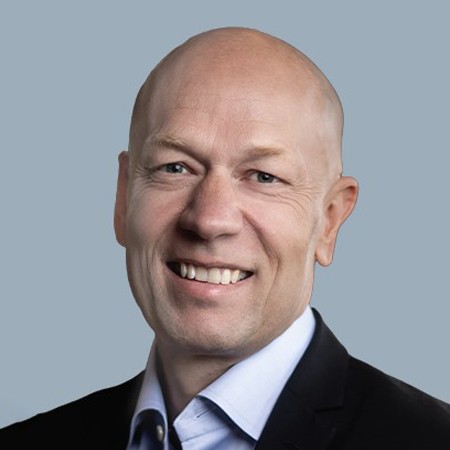
Dr. Jacob Thaysen
Jacob Thaysen is Illumina’s Chief Executive Officer (CEO). Prior to Illumina, he
was senior vice president of Agilent and president of Agilent's Life Sciences and
Applied Markets Group (LSAG) which consists of Agilent's market leading
analytical instrument portfolio, informatics and cell analysis franchise. From 2014
to 2018, Thaysen served as the president of Agilent's Diagnostics and Genomics
Group (DGG).
Prior to joining Agilent, Thaysen was corporate vice president of R&D at Dako, a
Danish cancer diagnostic company. Before joining Dako, he served as
management consultant at Copenhagen Consultancy Company (now Bain &
Co).
Early in his career, he was founder and chief technology officer of Cantion, a
research and defense application development company based in Denmark.
Thaysen holds an MSc and PhD in physics from the Technical University of
Denmark.

Dr. Ibrahim Janahi
Sidra Medicine
Prof. Ibrahim Janahi is the Chief Medical Officer at Sidra Medicine where he is responsible for ensuring high-quality patient care and upholding clinical excellence and patient safety programs that align with our medical strategies.
In addition to this role as the CMO, Prof. Janahi is also the Chair of Medical Education, Designated Institutional Officer and the Division Chief of Pulmonology at Sidra Medicine.
As the Chair of Medical Education, Prof. Janahi is responsible for all medical education programs at Sidra Medicine. This includes the coordination of undergraduate and graduate medical training, monitoring the Continuous Medical Education (CME) and Continuing Professional Development (CPD) of senior medical staff.
Prof. Janahi oversees the extended fellowship programs including accredited residency programs from the Accreditation Council for Graduate Medical Education – International (ACGMEI), a body directly aligned with ACGME, which is responsible for accrediting the majority of graduate medical training programs for physicians in the United States.
Prof. Janahi’s remit also focuses on cultivating interdisciplinary programs, an effective and efficient way of medical and health practice, as part of Sidra Medicine’s joint accreditation with the Accreditation Council for Continuing Medical Education (ACCME), a prestigious accreditation body from the US, designed for physicians, nurses, pharmacists and allied health professionals.
Prof. Janahi’s area of clinical expertise includes interventional pulmonology, chronic lung diseases with genetic basis and rare lung diseases in children. His research interest includes primary ciliary dyskinesia, pulmonary hypertension in children, and genetic basis of lung diseases and non-invasive monitoring of airway inflammation.
Prof. Janahi joined Sidra Medicine from Hamad Medical Corporation, where he was the consultant pediatric pulmonologist and established the pediatric pulmonology section in 2001. He was also acting as the director of the pediatric emergency center from 2001 till 2008.
In addition to his current responsibilities at Sidra Medicine, Prof. Janahi is a Professor of Clinical Pediatrics at Weill-Cornell Medicine in Qatar. He is the founder and president of Gulf Society for Pediatric Respirology and a founding member of the Arab Pediatric Pulmonology Association (APPA). He is a member of the exam committee of the Arab Board and an examiner for many certifying boards and qualifying examinations including the Royal College of Pediatrics and Child Health of the United Kingdom.
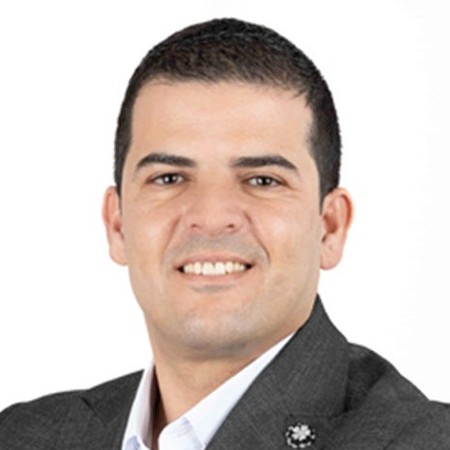
Dr. Hamdi Mbarek
Qatar Precision Health Institute
Dr. Mbarek is the Research and Partnerships Director of QPHI. He joined Qatar Genome Program in January 2019 as Research and Partnerships Manager and was appointed as Director of Research and Partnerships in January 2024.
Dr. Mbarek possesses a well-established background in genetic analyses, specializing in the study of complex traits, molecular genetics, and the intricate relationships between human traits, diseases, and genetics. His expertise extends beyond traditional genetics, showcasing a well-established proficiency in study design, analysis, and the dissemination of scientific findings.
Dr. Mbarek holds a PhD in molecular and cellular biology from the University of Évry Val d'Essonne in Paris, France.
His postdoctoral research, conducted in Japan and the Netherlands, focused on the genomics of complex diseases and the genetics of psychiatric diseases and addiction, showcasing his international expertise and commitment to advancing scientific knowledge. Dr. Mbarek has significantly contributed to the field, co-authoring over 100 high-impact papers, reviews and book chapters. He has extensive experience in establishing, running, and overseeing research consortia and collaborations. He was an assistant professor at the VU University in Amsterdam. He was also a faculty member at the Biological Psychology department at VU University and his teaching portfolio includes classes on human molecular genetics, omics, and twin research.
Dr. Emmanouil (Manolis) Dermitzakis (Qatar)
President, Qatar Precision Health Institute
Manolis is currently President of the Qatar Precision Health Institute. He is also co-founder and the CEO of Antithesis Therapeutics Previously, he was VP and Head of Computational Biology at GSK, Professor of Genetics in the Department of Genetic Medicine and Development, University of Geneva Medical School, Founding Director of the Health2030 Genome Center and Director of the Institute of Genetics and Genomics in Geneva. He was vice-chair of the Swiss Personalized Health Network Genomics Task Force, and also member of the Swiss Institute of Bioinformatics. He previously served as Chairman of the National Council for Research, Technology and Innovation and advisor to the Prime Minister in Greece. He also served as president of the World Hellenic Biomedical Association (2014-2015). He obtained his B.Sc. (1995) and M.Sc. (1997) from the University of Crete (Greece) and his PhD in 2001 from the Pennsylvania State University in the USA. His post-doctoral work was at the University of Geneva Medical School. He previously was a Senior Investigator at the Wellcome Sanger Institute in Cambridge. He was elected EMBO member in 2014, recipient of the 2017 Bodossakis science award, has been named Highly Cited Researcher by ISI every year since 2014 and he was the recipient of the Curt Stern award from the American Society of Human Genetics in 2021. He has over 200 publications and his work has bene cited more than 120,000 times. His research has been funded by the Swiss NSF, the NIH, the ERC and the Wellcome Trust among others. His research focuses on the genetic causes and mechanisms of human disease. He has had leading roles in the ENCODE, Mouse Genome Sequencing, the International HapMap, the 1000 genomes and GTEx projects. He has served in the Board of scientific journals such as Science, eLIFE, PLoS Genetics and as Chief Editor in Frontiers in Genetics.

Dr. Sri Chunduru
CSO, EveryONE Medicines
Sri has over 25 years of industrial experience in drug discovery and drug development across various disease therapeutic areas including rare-oncology. Throughout his career, he led the advancement of project portfolios from early discovery through Phase 3 clinical development. He has deep knowledge in conceptualizing ASO-based therapies and managing ASO pipelines. Prior to joining EveryONE Medicines, Sri worked in scientific leadership positions at Idera Pharmaceuticals and TetraLogic Pharmaceuticals. He established and led several research and translational collaborations in the US, China, and Europe. He was also a member of the business development team and was involved in licensing clinical assets.
Sri earned his Ph.D. in Biochemistry from the University of Akron. He then did his post-doctoral fellowship at St. Jude Children’s Research Hospital in pediatric cancer and at the University of Pennsylvania in autoimmune diseases. He has co-authored 30 publications and is listed as an inventor in several U.S.-issued patents.

Dr. Barry Solaiman
Hamad Bin Khalifa University
Dr. Barry Solaiman is an Assistant Dean of Student Affairs and an Assistant Professor specialising in healthcare law and constitutional law. He holds a PhD in Law from the University of Cambridge, Faculty of Law and is a Fellow of Harvard Medical School’s Center for Bioethics. He also serves as a Governor of the World Association for Medical Law (WAML)
At Hamad Bin Khalifa University, he is the Lead Principal Investigator for a multidisciplinary grant developing guidelines for the use of AI/Machine Learning in healthcare research. At Weill Cornell Medicine-Qatar, he serves as an Adjunct Assistant Professor of Medical Ethics in Clinical Medicine and Co-Director of the Intersection of Law & Medicine Series, accredited by the Ministry of Public Health in Qatar and ACCME in the United States
He is co-editor of a major forthcoming book titled ‘AI, Health and the Law ’ (to be published in 2024), which will be a prominent book in the field. His publications are in leading journals, and his research has been presented globally. He has served as Editor-in-Chief of both the Cambridge International Law Journal and the Medicine and Law Journal

Dr. Mohamed Abdelbaki
Washington University
A CureSearch Catapult awardee at Washington University School of Medicine in St. Louis, is conducting a phase I clinical trial using a Natural Killer (NK) cell therapy for children and young adults with recurrent brain tumors. NK cells are immune cells that can recognize and kill cancerous cells and have shown promise in treating several cancers. However, their widespread use has been limited due to production challenges and the ability of brain tumors to escape killing by secreting an immunosuppressive molecule known as transforming growth factor-beta (TGFβ). Dr. Abdelbaki and his team have established an NK cell therapy that overcomes these obstacles. They have developed a method for producing large numbers of NK cells from healthy donors and by chronically stimulating the cells with TGFβ, they have enhanced their function and made them resistant to the effects of TGFβ in the body. This ‘off-the-shelf’ cell therapy reduces the cost and eliminates barriers associated with manufacturing cells on a patient-by-patient basis, making a potentially superior treatment option more widely available to patients.
In this CureSearch-funded clinical trial, 24 children and young adults with recurrent brain tumors will receive infusions of the enhanced NK cells directly into the surgical cavity following tumor removal. This approach bypasses the blood-brain barrier and treats the tumor more effectively by concentrating the NK cells inside the tumor site. The team will also study how long the NK cells remain active in the brain and how this affects the overall response to treatment. This trial will be conducted through the Pacific Pediatric Neuro-Oncology Consortium (PNOC), making it the first multi-institutional consortium-wide study to evaluate the safety and efficacy of intra-tumoral NK cell infusions in children with recurrent brain tumors.
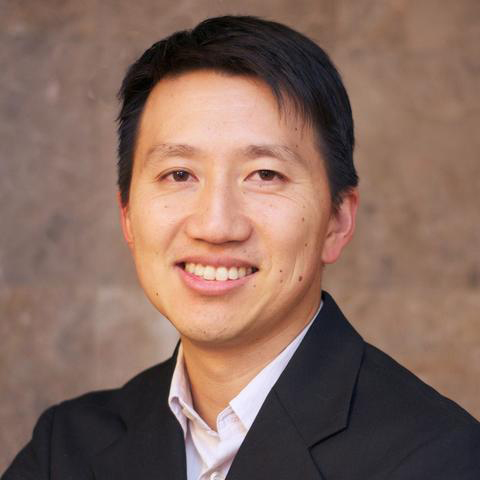
Dr. Tim Yu
Boston Children Hospital
Dr. Tim Yu is a physician-scientist whose work bridges neurodevelopmental genetics and translational genomic medicine. His research focuses on uncovering the genetic underpinnings of autism spectrum disorders (ASDs) and other neurodevelopmental conditions. The Yu Lab has placed particular emphasis on identifying biallelic (recessive) mutations, discovering a notable enrichment of such gene disruptions in affected individuals, especially in girls.
Beyond gene discovery, Dr. Yu is passionate about bringing genomic tools directly to patient care. His translational research spans from the deployment of genome sequencing in neonatal intensive care units to the design and clinical delivery of genome-guided therapeutics for children with rare genetic disorders.
Dr. Yu earned his undergraduate degree in Biochemistry and Molecular Biology from Harvard College, followed by an M.D. and Ph.D. in Neuroscience from the University of California, San Francisco. He completed his clinical training in neurology at Massachusetts General Hospital and Brigham and Women’s Hospital, and pursued a fellowship in neurodevelopmental genetics at MGH and Boston Children’s Hospital. He joined the faculty of the Division of Genetics and Genomics in 2010 as Instructor, rising to Assistant Professor in 2013.
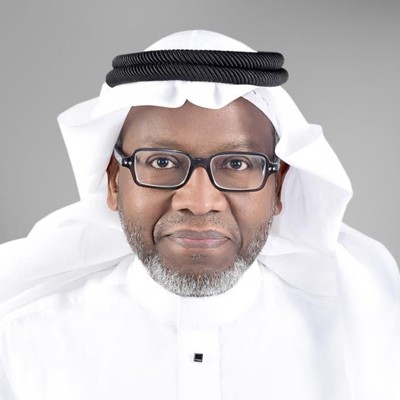
Dr. Abdulrazaq Al-Jazairi
King Faisal Hospital
Director, Clinical Trials Transformation Division
Lead Founder, Saudi Society of Clinical Pharmacy
Consultant Clinical Pharmacist, Cardiology King Faisal Specialist Hospital & Research Centre- Riyadh Saudi Arabia
Dr. Al-Jazairi is a Clinical Pharmacy Consultant in the field of Cardiovascular Pharmacotherapy, and the Director of the clinical Trials Transformation Division at the prestigious King Faisal Specialist Hospital and Research Center (KFSH&RC), Riyadh Saudi Arabia. He received his Doctor of Pharmacy degree from Campbell University at Buies Creek, North Carolina, USA, and a general Pharmacy Practice Residency at Duke University Medical Center (DUMC), Durham, NC. In 2000, Dr. Al-Jazairi completed a two-year Specialty Residency in Cardiovascular Pharmacotherapy from Philadelphia College of Pharmacy (PCP), University of the Sciences in Philadelphia in conjunction with the Hospital University of Pennsylvania (HUP), Philadelphia, Pennsylvania. More recently, 2014, Dr. Al-Jazairi earned a Master degree in Pharmaceutical and Healthcare Business from Mayes College, University of the Sciences in Philadelphia. Dr. Al-Jazairi is a board certified pharmacotherapy specialist with Cardiology added-qualification.
Dr. Al-Jazairi has more than 50 original research publications, and delivered many national and international presentations. Dr. Al-Jazairi is the Founder of the Saudi Clinical Pharmacy Society, 2018. He is an editorial board member of prime journals, including Annals of Pharmacotherapy and the Annals of Saudi Medicine, for more than 15 years. He sets in several committees in Saudi-FDA, Saudi Commission for Health Specialties and Saudi Health Council. He is a member of the International Accreditation Commission, ASHP. Dr. Al-Jazairi enjoys training students and residents in Cardiology, Clinical Research and Evidence-based Medicine. Dr. Al-Jazairi is the Director of the first and only Cardiology Residency Program accredited by ASHP outside the States, at King Faisal Specialist Hospital and Research Center (KFSH&RC). He also serves as an Associate Professor, School of Pharmacy and School of Medicine in Alfaisal University, Qassim University, and adjunct Assistant Professor in Princess Nora University and member of the Advisory Board for College of Pharmacy.
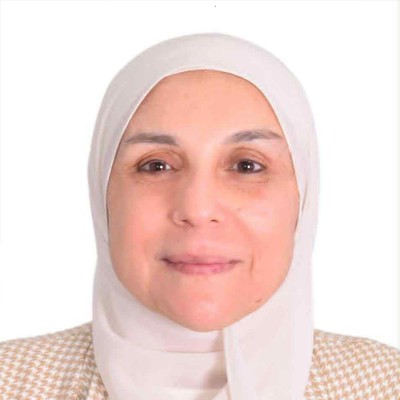
Dr. Maha Zaki
National Research Centre (NRC)
Maha S. Zaki (MD)
Emeritus Professor, Clinical Genetics Department, Human Genetics and Genome Research Institute, National Research Centre (NRC), Cairo, Egypt.
- Graduated from Cairo University in 1984, joined the National Research Centre, Genetics Department in 1986. Master's degree (MSc) in Pediatrics in 1991 and Doctoral (MD) in 1998. Professor of Clinical Genetics at the NRC in 2009, head of the Clinical Genetics Department for 4 years, and emeritus professor since 2021. The main specialties are Neurogenetics and Clinical Genetics. Founded the first Neurogenetics clinic at the Medical Services (2004) Unit and then the Centre of Excellence for Medical Research at the NRC (2013). Has many collaborations with the Middle East, Europe, and the USA. Her H-index is 50, with 285 publications in distinguished journals, with a remarkable participation. Was chosen in 2016 to be one of the original proposers of the European Network of Brain Malformations, which has been awarded by the European Cooperation in Science and Technology (COST) a network grant under the code CA16118 as a representative from Africa and the Middle East, outside Europe. Also, selected to be a member of the SPATAX Network (in 2013), a worldwide network for hereditary spastic paraplegia and ataxia. Participated in inventing many new genes for Joubert syndrome, microcephaly, cerebellar atrophy, pontocerebellar hypoplasia, intellectual disability, and many other genetic diseases. Delineated new recessive syndromes such as Zaki syndrome, published in the New England Medical Journal, and Zaki-Gleeson syndrome, and assigned a new autosomal recessive developmental brain defect found in Egyptian patients (DMJD). Awarded two of the top Awards in Egypt: The State Appreciation Award in Science and Advanced Technology for Medical Science in 2018, and The State of Science Excellency in Medical Science in 2011. Alnodra Award for Outstanding Achievements in Rare Disease by Sheikh Nahyan bin Mubarak Al Nahyan, Minister of Tolerance and Coexistence, 2023. The Research Excellence Awards 2018, the Best Researcher Award from Egyptian Knowledge Bank (EKB) and Clarivate analysis, Misr Elkheir Awards, and many appreciations from NRC for the highest score of publications.
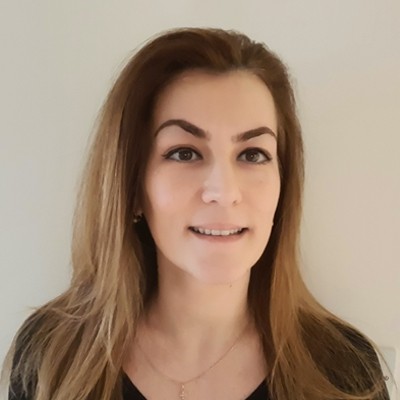
Dr. Ana Cvejic
University of Copenhagen
Ana Cvejic is Professor at the University of Copenhagen and Group Leader at the Biotechnology Research and Innovation Centre (BRIC), Denmark. Her pioneering research lies at the forefront of molecular hematology, with a particular focus on the molecular mechanisms governing blood stem cell fate decisions. Bridging molecular biology, genetics, and systems biology, her work uniquely integrates cutting-edge experimental approaches with large-scale multiomics data analysis. Professor Cvejic obtained her PhD in Biochemistry from the University of Bristol before undertaking postdoctoral research at the University of Cambridge and the Wellcome Trust Sanger Institute. In 2012, she was awarded a prestigious Cancer Research UK Career Development Fellowship, which enabled her to establish her independent research group at the University of Cambridge, where she led her laboratory from 2012 to 2022. Her outstanding contributions to the field have been widely recognized through numerous honors, including the European Hematology Association Young Investigator Award, the EMBO Young Investigator Award, and election to EMBO membership. She is also the recipient of highly competitive grants, among them the European Research Council Starting and Consolidator Grants, the Novo Nordisk Foundation Young Investigator Award, and the Danish National Research Foundation Chair Grant.
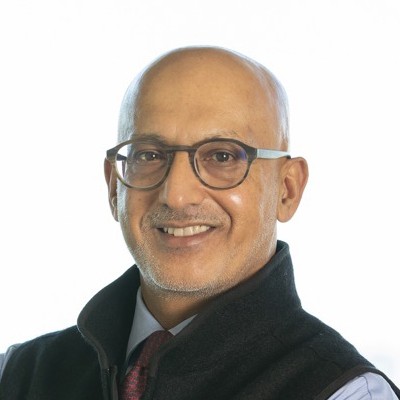
Dr. Ilyas Khan
Quantinuum
Ilyas founded Cambridge Quantum in 2014 and was the founding CEO of Quantinuum, the company created as a result of the merger of Honeywell Quantum Solutions and Cambridge Quantum. As well as being Vice-Chairman of the board of directors, he is also the Chief Product Officer of Quantinuum and part of the executive leadership team of the company.
He is the Leader in Residence at the University of Cambridge’s Judge Business School where he was instrumental in establishing the highly regarded Accelerate Cambridge program of investment in early-stage Cambridge-based deep-science technology sector companies.
Ilyas was the inaugural Chairman of The Stephen Hawking Foundation, holding the post until 2019. He is also the founding Chairman (non-executive) of the Topos Institute. He is also a fellow of St Edmund’s College, Cambridge. Ilyas is recognised as one of the founders and leading voices in the quantum computing industry globally.
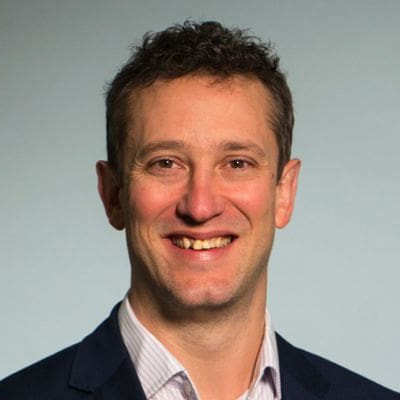
Dr. Neil Ward
PacBio
VP and GM
PacBio
Neil Ward serves as PacBio's Vice President and General Manager for Europe, the Middle East, and Africa, driving the adoption of advanced long-read sequencing technologies across the region. Before joining PacBio in 2021, Neil distinguished himself during a 13-year career at Illumina as Senior Sales Director for Northern Europe, where he managed partnerships with world-renowned genomics initiatives including UK Biobank, Genomics England, deCODE genetics, and the Estonian Biobank. With a career spanning both technical and commercial roles, Neil has contributed his expertise to leading organizations including Agilent Technologies, Silicon Genetics, Oxford Biomedica, and Celltech. His unique combination of scientific knowledge and business leadership is built on a strong academic foundation—a Master's degree in Bioinformatics and a Bachelor's degree in Biochemistry from the University of Manchester—positioning him at the intersection of genomic innovation and its practical applications in addressing complex health challenges.
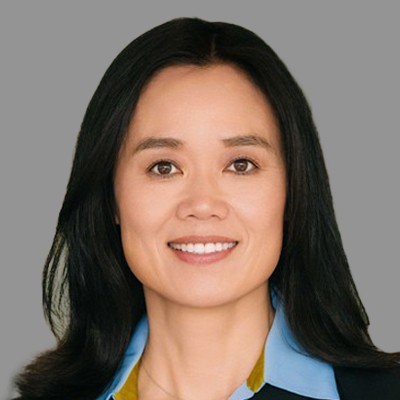
Dr. Molly He
Elements BioSciences
CEO, Co-Founder, and Board Member
Dr. Molly He is the CEO and co-founder of Element Biosciences, a multi-disciplinary life science company democratizing access to advanced DNA and multiomic sequencing solutions. Since the inception of Element in 2017, Molly and her team have raised over $600M+ to fund the development, manufacturing, and commercialization of disruptive sequencing tools, including AVITI and AVITI24. Molly has won numerous awards including the prestigious Forbes 50over50 in 2023, and CNBC Changemaker in 2024. Previously, Molly was a Venture Partner at Foresite Capital Management. Prior to Foresite, Molly served as a Senior Director at Illumina, where she was responsible for global protein reagent innovation and improvements. She led her team to twice win the Innovation Award, the highest award for innovations with significant revenue impact at Illumina. Before Illumina, Molly was the Head of Protein Sciences at Pacific Biosciences, responsible for protein reagent development to improve the accuracy of their single molecular real time sequencing chemistry. Molly is a prolific inventor with more than one hundred patent applications, including many in the field of genomics and protein sciences. Molly holds a PhD from UCLA in protein biophysics.


Dr. Kiran Musunuru
University of Pennsylvania
An actively practicing cardiologist and committed teacher, Kiran Musunuru, M.D., Ph.D., M.P.H., M.L., M.R.A, is Barry J. Gertz Professor for Translational Research in the Perelman School of Medicine at the University of Pennsylvania. His research focuses on the genetics of heart disease and seeks to identify genetic factors that protect against disease and use them to develop new therapies. He is a recipient of the Presidential Early Career Award for Scientists and Engineers from the White House, the American Heart Association's Award of Meritorious Achievement and Joseph A. Vita Award, the American Philosophical Society's Judson Daland Prize for Outstanding Achievement in Clinical Investigation, the American Federation for Medical Research's Outstanding Investigator Award, and Harvard University's Fannie Cox Prize for Excellence in Science Teaching. He has been elected to membership in the American Society for Clinical Investigation and in the Association of American Physicians, and he serves on the NIH National Heart, Lung, and Blood Institute Advisory Council and on the Board of Directors of the American Society of Human Genetics. He recently served as Editor-in-Chief of the scientific journal Circulation: Genomic and Precision Medicine. He is author of The CRISPR Generation: The Story of the World's First Gene-Edited Babies and Genome Editing: A Practical Guide to Research and Clinical Applications. He is co-founder and Senior Scientific Advisor of Verve Therapeutics.
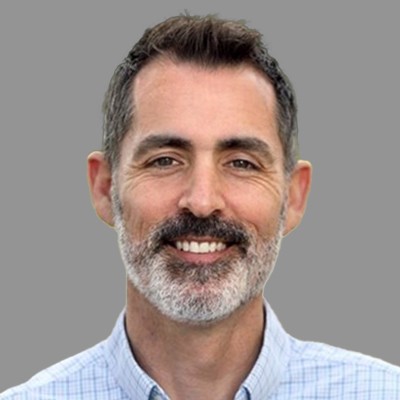
Dr. Andrew Singleton
Center for Alzheimer's and Related Dementias (NIH)
Research Topics
Dr. Andrew Singleton has published more than 700 articles on a wide variety of topics. He is the Director of the Center for Alzheimer’s and Related Dementias within the Intramural Research Program, in addition to being Chief of the Molecular Genetics Section within the Laboratory of Neurogenetics. Singleton’s group works on the genetic basis of neurological disorders including Parkinson's disease, Alzheimer’s disease, dystonia, ataxia, dementia with Lewy bodies, and amyotrophic lateral sclerosis (ALS). His team seeks to identify genetic variability that causes or contributes to disease and to use this knowledge to understand the underlying molecular processes. Dr. Singleton’s group discovered a number of genetic mutations that cause disease, including the alpha-synuclein multiplication mutation and mutations in LRRK2. Dr. Singleton was a founding member of the International Parkinson Disease Genomics Consortium, and the Global Parkinson’s Genetics Program. His laboratory has identified the majority of the known genetic risk factors for Parkinson disease.
Biography
Dr. Singleton received his B.Sc. from the University of Sunderland, UK and his Ph.D. from the University of Newcastle upon Tyne, UK. His postdoctoral studies were spent at the Mayo Clinic in Jacksonville Florida. Andrew moved to the National Institute on Aging at NIH Bethesda, MD in 2001 and became a principal investigator leading the Molecular Genetics Unit in 2002. In 2007 he became a tenured senior investigator at the National Institute on Aging, in 2008 he was named the Chief of the Laboratory of Neurogenetics, and in 2016 he was honored as an NIH Distinguished Investigator. While still leading the Molecular Genetics Section, in 2021 he stepped down as the Chief of the Laboratory of Neurogenetics and became the Director of the Center for Alzheimer's and Related Dementias.
Dr. Singleton currently serves on the scientific advisory board of the Lewy Body Dementia Association; he is a member of the editorial boards of Neurodegenerative Diseases, Neurogenetics, Movement Disorders, (Associate Editor), Lancet Neurology, the Journal of Parkinson's Disease, NPJ Parkinson's Disease (Associate Editor), and the Journal of Huntington's Disease. Dr. Singleton was awarded the Boehringer Mannheim Research Award in 2005, the NIH Director's Award in 2008 and again in 2016, and the Annemarie Opprecht Award for Parkinson's disease research in 2008. In 2012 Dr. Singleton became the first person to win the Jay van Andel Award for Outstanding Achievement in Parkinson's Disease Research. In 2017 he was awarded the American Academy of Neurology Movement Disorders Award and an Honorary Doctorate from his alma mater, the University of Sunderland.
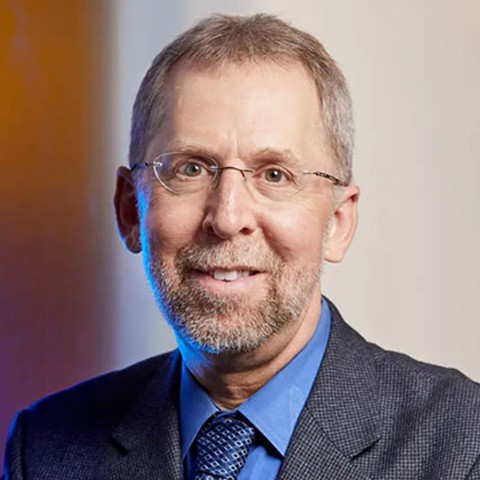
Dr. Eric Green
Eric D. Green, M.D., Ph.D., served as the director of the National Human Genome Research Institute (NHGRI) at the U.S. National Institutes of Health (NIH) from 2009 to 2025. He was the third NHGRI director, having been appointed by then-NIH director Dr. Francis Collins in 2009.
Dr. Green’s relationship with the Institute began long before his appointment as director. He served as the Institute’s scientific director (2002 - 2009), chief of the NHGRI Genome Technology Branch (1996 - 2009) and founding director of the NIH Intramural Sequencing Center (1997 - 2009). Prior to that, he played an integral role in the Human Genome Project.
Throughout his career, Dr. Green has authored and co-authored over 390 scientific publications.
NHGRI leadership: As NHGRI director, Dr. Green lead the Institute's research programs and other initiatives. Under his guidance, the Institute has completed two major cycles of strategic planning to ensure that its research investments in genomics effectively advance human health. The first effort yielded the highly cited 2011 NHGRI strategic vision, “Charting a course for genomic medicine from base pairs to bedside” (Nature 470:204-213, 2011); the second yielded the 2020 paper ”Strategic vision for improving human health at The Forefront of Genomics” (Nature 586:683-692, 2020).
These two strategic planning processes have guided a major expansion of NHGRI’s research portfolio, highlights of which include the design and launch of major new programs to unravel the functional complexities of the human genome, to catalyze the growth of genomic data science, to accelerate the application of genomics to medical care and to enhance the building of a robust and diverse genomics workforce of the future.
With the rapidly expanding scope of genomics research, Dr. Green has also led NHGRI’s close coordination with other components of NIH, agencies and organizations.
Dr. Green has played an instrumental leadership role in developing many high-profile efforts relevant to genomics. These efforts include multiple NIH Common Fund Programs — such as the Undiagnosed Diseases Network, Human Heredity and Health in Africa (H3Africa), and the Human Microbiome Project — the Smithsonian-NHGRI exhibition Genome: Unlocking Life's Code, several trans-NIH data science initiatives, the NIH Genomic Data Sharing Policy and the NIH All of Us Research Program.
Education: Dr. Green received his B.S. degree in bacteriology from the University of Wisconsin - Madison in 1981 and his M.D. and Ph.D. degrees from Washington University in 1987. Coincidentally, 1987 was the same year that the word “genomics” was coined. During residency training in clinical pathology (laboratory medicine), Dr. Green worked in the laboratory of Dr. Maynard Olson, where he launched his career in genomics research. As a physician, he was drawn to genomics because of the potential of using patients’ genomic information for improving their medical care and management.
In 1992, he was appointed assistant professor of Pathology and Genetics as well as a co-investigator in the Human Genome Center at Washington University. In 1994, he joined the newly established Intramural Research Program of the National Center for Human Genome Research, later renamed the National Human Genome Research Institute.
As a St. Louis native, Dr. Green is a lifelong St. Louis Cardinals baseball fan.
Research Contributions: While directing an independent research program for just over two decades, Dr. Green was at the forefront of efforts to map, sequence and understand mammalian genomes. His work included significant, start-to-finish involvement in the Human Genome Project. These efforts eventually blossomed into a highly productive program in comparative genomics that provided important insights about genome structure, function and evolution. His laboratory also pursued human genetics studies and identified and characterized several human disease genes, including those implicated in certain forms of hereditary deafness, vascular disease and peripheral neuropathy.
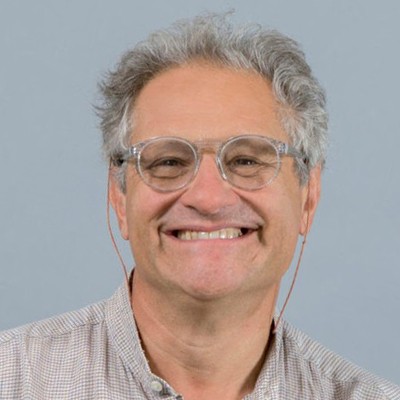
Dr. Carlo Giaquinto
Penta Foundation
Dr. Carlo is the President of Penta Foundation. Full Professor of Paediatrics at the Department for Woman’s and Child’s Health of the University of Padova, Director of the PhD Course in Developmental Medicine and Health Planning Sciences and President of Fondazione Penta. His main interests are Paediatric Infections, Vaccinology and Clinical Trials in Children. Since 1990 he has been involved as scientific coordinator in more than 15 large EU funded projects.
At present he coordinates more than 20 international projects, including trials in developing countries. He is also the scientific leader of c4c, the largest paediatric IMI2 funded project, aiming to set up a European Paediatric Clinical trial platform.
He is the Author/Co-Author of more than 300 publications published in peer-reviewed and invited as speaker at about 400 conferences and international workshops across the world. Carlo Giaquinto was also awarded by the European Society for Paediatric Infectious Diseases (ESPID) of the 2017 Bill Marshall Award.
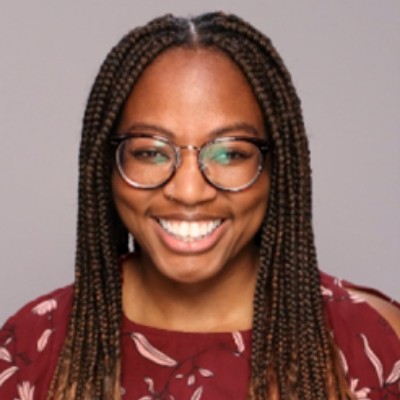
Dr. Pamela Robertson
Broad Institute of MIT
Pamela is a Genomics Specialist and Senior Biocurator for the Clinical Genome Resource (ClinGen) program at the Broad Institute of MIT and Harvard. She is a variant and gene curation framework expert across several ClinGen disease-specific expert panels and affiliated projects. Previously in Australia, Pamela was a Clinical Curation Scientist at the ZERO Childhood Cancer program. There she was involved in several aspects of the program including molecular analysis of germline and tumor sequencing data, creating molecular educational materials and workshops, and conducting research. Prior to that she worked in industry for a few years at a biotech start up and an IVF company where she did a mix of genomics analysis and quality control. Pamela has completed a PhD investigating the molecular biology of microRNAs in Head and Neck Cancer.

Dr. Stephen Kingsmore (USA)
Head, Personalized Genetic Healthcare Department, Enterprise Medical Specialty Institute, Cleveland Clinic
Stephen F. Kingsmore, MD, DSc, is President and CEO of Rady Children's Institute for Genomic Medicine (RCIGM) where he leads a multi-disciplinary team of scientists, physicians, genetic counselors, software engineers and bioinformaticians who are pioneering the use of rapid Whole Genome Sequencing (rWGS®) to enable precise diagnoses for critically ill newborns. In 2021, he led the RCIGM team to set a new record of 13.5 hours for achieving the fastest molecular diagnosis using rWGS, breaking his previous 2018 world record of 19.5 hours. Dr. Kingsmore came to Rady Children’s in 2015 from Children’s Mercy Kansas City, where he was the Director for the Center for Pediatric Genomic Medicine and Executive Director of Medical Panomic, as well as the Dee Lyons/Missouri Endowed Chair in Genomic Medicine at the University of Missouri-Kansas City School of Medicine. He previously served as President and CEO of the National Center for Genome Resources; Chief Operating Officer of Molecular Staging Inc.; Vice President of Research at CuraGen Corporation; Founder of GatorGen; and Assistant Professor at the University of Florida’s School of Medicine. Dr. Kingsmore is board-certified in Internal Medicine and is a Fellow of the Royal College of Pathologists. He received his MB, ChB, BAO and DSc degrees from the Queen’s University Belfast in Ireland. He trained in clinical immunology in Northern Ireland and did his residency in Internal Medicine and fellowship at Duke University Medical Center in North Carolina. In 2012, Dr. Kingsmore was named MedScape Physician of the Year and TIME magazine ranked his first record-breaking time of 50 hours for genome sequencing among the top 10 medical breakthroughs for that year. In 2013, he received the Scripps Genomic Medicine Award and the ILCHUN Prize of the Korean Society for Biochemistry and Molecular Biology.
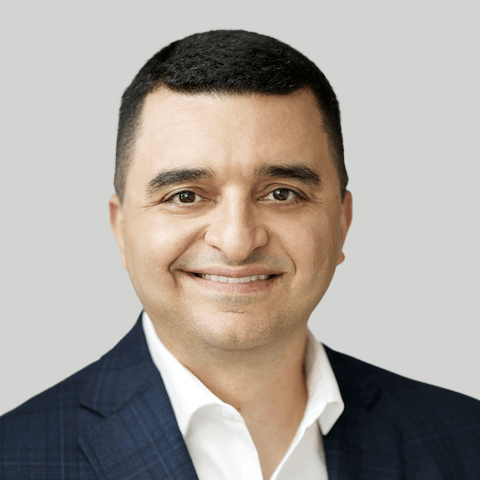
Dr. Ma’n Zawati
McGill University
Prof. Ma’n H. Zawati (LL.B., LL.M., Ph.D. (DCL)) is an Associate Professor at McGill University's
Faculty of Medicine and Health Sciences and the Research Director of the Centre of
Genomics and Policy in the Department of Human Genetics. He is also an Associate
Member in the Department of Medicine, the Department of Equity, Ethics and Policy and
the Faculty of Law and is a new member of the Royal Society of Canada. His work is
interdisciplinary, drawing together perspectives from law, ethics, genomics, and policy. His
research mainly focuses on the legal, ethical and policy dimensions of health research and
clinical care, specializing in data sharing, governance, professional liability, and the use of
novel technologies (e.g., mHealth apps, WGS, WES and Artificial Intelligence). During
COVID-19, Prof. Zawati was instrumental in establishing the ethics governance for multiple
initiatives, including the Quebec COVID19 Biobank (BQC19), CGEn’s HostSeq project and
the COVID-19 Immunity Task Force. His work, encompassing over 140 publications
(including 105+ peer-reviewed articles) and over 225 global presentations, has facilitated
access and use of data and samples across jurisdictions.
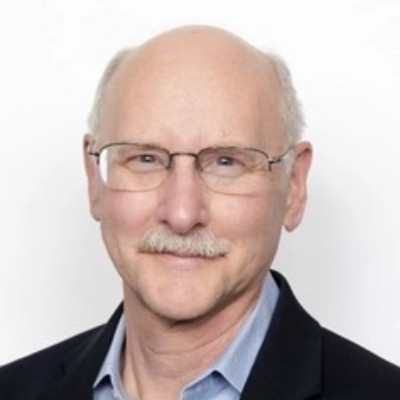
Dr. David Bick
Genomics England
David Bick MD is the Principal Clinician for the Newborn Genomes Programme at Genomics England. Prior to his work in England, he was the Chief Medical Officer and a faculty investigator at the HudsonAlpha Institute for Biotechnology. Dr. Bick also served as the Medical Director of the Smith Family Clinic for Genomic Medicine located on the campus of HudsonAlpha Institute for Biotechnology and the Laboratory Director of the HudsonAlpha Clinical Services Laboratory.
He came to HudsonAlpha from the Medical College of Wisconsin where he was Professor in the Department of Pediatrics and the Department of Obstetrics & Gynecology at the Medical College of Wisconsin. At the Medical College of Wisconsin he was the Director of the Clinical Sequencing Laboratory, Director of the Advanced Genomics Laboratory at Children’s Hospital of Wisconsin, Medical Director of the Genetics Clinic at Children’s Hospital of Wisconsin, and Chief of the Division of Genetics in the Department of Pediatrics at Medical College of Wisconsin.
Dr. Bick received his medical degree from George Washington University School of Medicine in 1981 and completed his residency in Pediatrics at Yale-New Haven Hospital in New Haven, CT. At the Yale University School of Medicine, Dr. Bick completed a fellowship in Human Genetics and Pediatrics in 1986, followed by a post-doctoral research fellowship in Human Genetics in 1987. Dr. Bick is board certified in Pediatrics, Clinical Genetics, and Clinical Molecular Genetics.
He is a leader in the field of genomic medicine and has published numerous peer-reviewed articles, chapters, and reviews. Dr. Bick’s laboratories at the Medical College of Wisconsin and Children’s Hospital of Wisconsin were the first in the world to offer whole genome sequencing as a clinical test. He also developed the first Genomic Medicine Clinic in the United Stat

Dr. Ambroise Wonkam
Johns Hopkins University
Dr. Ambroise Wonkam is Professor of Genetic Medicine and Director of the McKusick-Nathans Institute at Johns Hopkins University School of Medicine. Trained as a medical geneticist in Geneva, Switzerland, he holds a Ph.D. in human genetics from the University of Cape Town and has practiced medical genetics across both Europe and Africa.
Author of over 250 peer-reviewed publications, Dr. Wonkam’s research focuses on genetic modifiers of sickle cell disease, the genetics of hearing loss, and ethical issues in human genetics. He leads several major NIH- and Wellcome Trust–funded projects, including the Sickle Africa Data Coordinating Centre (SADaCC), HI Genes Africa, IFGENERA, and PUBGEM-Africa. His work spans multiple African countries and supports continental capacity-building in genomics. He has received numerous awards, including the HUGO African Prize, the Alan Pifer Award, and the South African Medical Research Council Gold Medal. Dr. Wonkam serves on editorial boards of leading journals and holds leadership roles with the African Society of Human Genetics, H3Africa, and G2MC.
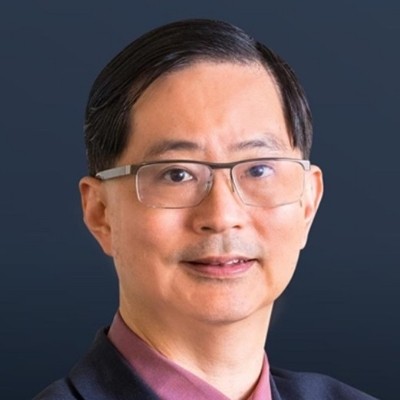
Dr. Patrick Tan
PRECISE
EXECUTIVE DIRECTOR, PRECISE
Prof. Patrick Tan is the Executive Director of PRECISE, overseeing Singapore’s National Precision Medicine (NPM) strategy. NPM aims to transform healthcare in Singapore and improve patient outcomes through new insights into the Asian genome and data-driven healthcare solutions. He is also Dean (Designate) and Provost’s Chair in Cancer and Stem Cell Biology at Duke-NUS Medical School, Singapore.
He received his B.A. (summa cum laude) from Harvard University and MD PhD degree from Stanford University, where he received the Charles Yanofsky Prize for Most Outstanding Graduate Thesis in Physics, Biology or Chemistry. Other awards include the President’s Scholarship, Loke Cheng Kim Scholarship, Young Scientist Award (A-STAR), Singapore Youth Award, Chen New Investigator Award (Human Genome Organisation), President’s Science Award, and the Japanese Cancer Association International Award.
He has received the American Association for Cancer Research (AACR) Team Science Award as Team Leader, and the Genome Valley Excellence Award by the Government of Telangana (India). He is a member of the American Society for Clinical Investigation (ASCI), Association of American Physicians (AAP), the Singapore Bioethics Advisory Committee (BAC), a Board Member of the International Gastric Cancer Association, Global Alliance for Genomics and Health (GA4GH), Board of Editors for Science and Cancer Discovery, and an advisory member for Qatar Precision Health Institute.

Dr. Olivier Elemento
Weill Cornell Medicine
The Elemento Lab is at the forefront of computational cancer research, integrating Big Data analytics with experimental biology to transform how cancer is prevented, diagnosed, and treated. With a foundation in high-throughput technologies—including ultrafast DNA sequencing, proteomics, and AI-driven analysis—the lab leverages advanced computational tools, such as high-performance computing and mathematical modeling, to investigate the complexities of cancer biology. A key focus is the systems biology of regulatory networks, particularly in hematologic malignancies like lymphomas and leukemias. By combining ChIP-seq, RNA-seq, and computational modeling, the lab aims to uncover the differences in gene regulation between healthy and cancerous cells.
In addition to exploring the genomic and epigenomic landscapes of cancer, the Elemento Lab develops innovative algorithms to support precision oncology, early cancer detection, and understanding tumor evolution. Projects include identifying novel cancer mutations, exploring the role of 3D chromatin architecture in mutational hotspots, and deciphering the functions of epigenetic regulators commonly mutated in cancer. The lab also applies machine learning techniques to detect cancer at its earliest stages, with practical applications such as a thyroid cancer detection algorithm now licensed by Prolias Technologies. Complementing these efforts, the lab creates widely adopted computational tools like ChIPseeqer to facilitate the analysis of complex genomic data, continually pushing the boundaries of personalized cancer research.

Dr. Erin Riggs (USA)
Geisinger
Erin Rooney Riggs, MS, CGC is a genetic counselor and Associate Professor at the Geisinger Autism & Developmental Medicine Institute and the Geisinger Commonwealth School of Medicine. Her research is focused on developing and implementing standards for consistent, transparent gene and variant assessment, as well as facilitating active engagement from the patient community in the process of generating genomic knowledge. She is one of the principal investigators on the National Institutes of Health-funded Clinical Genome Resource (ClinGen), a worldwide effort to define the clinical relevance of genes and variants for use in precision medicine and research. She is currently the co-chair of the ClinGen Gene-Disease Validity and Education, Coordination, and Training working groups, and is leading a collaboration between ClinGen, the American College of Medical Genetics & Genomics (ACMG), the Association for Molecular Pathology (AMP), and the College of American Pathologists (CAP) to update the classification guidelines for constitutional copy number variants. Erin also serves as an editor for Genetics in Medicine Open and is a member of the American Society of Human Genetics Digital Learning Committee.

Dr. Edison Liu (Singapore)
Jackson Laboratory
Edison Liu, M.D. is professor and special fellow of The Jackson Laboratory (JAX), an independent research institute focused on complex genetics and functional genomics situated in Maine, Connecticut, and California. Previously, he was president and CEO of The Jackson Laboratory, and Director of its NCI designated Cancer Center. Before that, he was the founding executive director of the Genome Institute of Singapore, the president of the Human Genome Organization (HUGO), the scientific director of the National Cancer Institute's Division of Clinical Sciences in Bethesda, Md., and professor of medicine, genetics, biochemistry, and epidemiology at the University of North Carolina, Chapel Hill. Dr. Liu is an international expert in cancer biology, systems genomics, human genetics, molecular epidemiology and translational medicine with a focus on human breast cancer. He has authored over 340 scientific papers, reviews and books, and is a frequent commentator on the impact of technologies in the biosciences and medicine. He obtained his B.S. in chemistry and psychology, as well as his M.D., at Stanford University; his advanced training in medicine and oncology at Washington University, St. Louis, and Stanford, and post-doctoral training in molecular oncology at the University of California at San Francisco. Dr. Liu has received numerous awards, and is an elected member to the American Society of Clinical Investigation, a foreign member of the European Molecular Biology Organization, and a Fellow of the American Association for the Advancement of Science (AAAS).
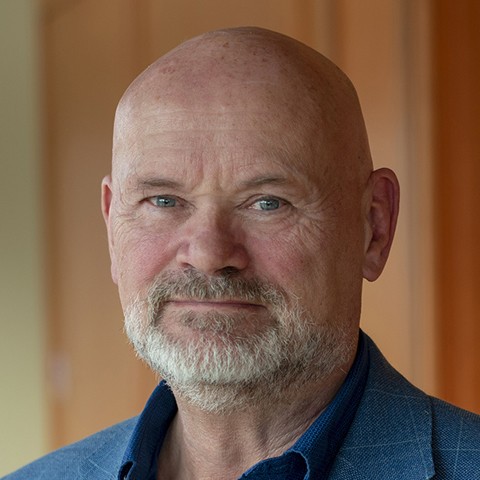
Dr. Peter Goodhand
GA4GH
Chief Executive Officer, Global Alliance for Genomics and Health, President, GA4GH Inc. Toronto, Canada
Peter Goodhand is a leader in the global health sector, holding senior executive and board member positions in the health research advancement community.
He currently serves as the Chief Executive Officer of the Global Alliance for Genomics and Health (GA4GH) and President of GA4GH Inc. The Global Alliance for Genomics and Health (GA4GH) is a policy-framing and technical standards-setting organization, seeking to enable responsible genomic data sharing within a human rights framework. GA4GH Inc. is a non-profit corporation based in Canada that supports the long-term work of the broad-based Alliance.
Mr. Goodhand previously served as President of the Ontario Institute for Cancer Research (OICR) and President and CEO of the Canadian Cancer Society. Before joining the charitable sector, he had a 20-year career in the global medical technology industry.
Mr. Goodhand is currently Co-Chair of the International Health Cohort Consortium (IHCC) and serves on the governance boards of Global Genes and several national and international advisory bodies.

Dr. Hakon Hakonarson (USA)
Director, Center for Applied Genomics, CHOP
Director, Center for Applied Genomics
Dr. Hakonarson is director of the Center for Applied Genomics and professor of Pediatrics at the Perelman School of Medicine, University of Pennsylvania. He leads a $40 million commitment from Children’s Hospital of Philadelphia to genomically characterize approximately 100,000 children, an initiative that has gained nationwide attention in the Wall Street Journal, New York Times, Time Magazine, Nature, and Science.

Dr. Khalid Fakhro (Qatar)
Sidra Medicine
Prof. Khalid Fakhro / Chair Khalid Fakhro is the Chief of Research and Director of the Precision Medicine Program at Sidra Medicine, the largest tertiary care women and children hospital in Qatar. Prof. Khalid Fakhro / ChairFakhro leads the Laboratory of Genomic Medicine, which focuses on bringing emerging genomic technologies from the lab close to the patient’s bedside. Over the past decade, his group has sequenced thousands of genomes from patients and volunteers across the Middle East, leading gene discovery efforts for a wide range of rare disorders, as well as landmark studies on population structure, genome structural variation, and the role of Islamic ethics in genome research. To date, his lab has been awarded competitive grants exceeding $7m to study genome structure and the genetic etiology of rare diseases and Autism, and their discoveries have featured in high-impact journals worldwide. In addition to research and hospital duties, Prof. Khalid Fakhro / Chair Fakhro serves multiple leadership roles in Qatar’s growing biomedical ecosystem, including as a Board Member of the Qatar Precision Medicine Institute, and Adjunct Faculty at both Weill-Cornell Medical College and Hamad Bin Khalifa University, where he teaches and supervises Masters and Ph.D. students in genomics and precision medicine.

Dr. Khalid Fakhro (Qatar)
Sidra Medicine
Prof. Khalid Fakhro / Chair Khalid Fakhro is the Chief of Research and Director of the Precision Medicine Program at Sidra Medicine, the largest tertiary care women and children hospital in Qatar. Prof. Khalid Fakhro / ChairFakhro leads the Laboratory of Genomic Medicine, which focuses on bringing emerging genomic technologies from the lab close to the patient’s bedside. Over the past decade, his group has sequenced thousands of genomes from patients and volunteers across the Middle East, leading gene discovery efforts for a wide range of rare disorders, as well as landmark studies on population structure, genome structural variation, and the role of Islamic ethics in genome research. To date, his lab has been awarded competitive grants exceeding $7m to study genome structure and the genetic etiology of rare diseases and Autism, and their discoveries have featured in high-impact journals worldwide. In addition to research and hospital duties, Prof. Khalid Fakhro / Chair Fakhro serves multiple leadership roles in Qatar’s growing biomedical ecosystem, including as a Board Member of the Qatar Precision Medicine Institute, and Adjunct Faculty at both Weill-Cornell Medical College and Hamad Bin Khalifa University, where he teaches and supervises Masters and Ph.D. students in genomics and precision medicine.

Dr. Tawfeg Ben Omran (Qatar)
Sidra Medicine
Dr. BEN-OMRAN is a senior consultant and Division Chief, Genetic and Genomic Medicine at Sidra Medicine and Hamad Medical Corporation. He is a Professor at Weill Cornell Medical College, Qatar & New York-USA. He is also a Distinguished Visiting Scientist at Boston Children’s Hospital-USA.
He contributes to the body of published knowledge in clinical and metabolic genetics, with over 200 published articles in peer reviewed journals, book chapters and abstracts. He is reviewer for many clinical genetics journals.
He is an active clinical researcher, collaborating on projects with local, regional & international communities. He is a lead primary investigator in many high profile research projects & clinical trials.