
Recent Advances in
Primary
Immunodysregulation
Disorders
RAPID 2026 focuses on primary and genetic immune dysregulation from a multidisciplinary perspective. This year’s theme is “Frontiers in Diagnostics for Primary Immunodysregulation Disorders”.
The in-person conference is organized in collaboration with The Isil Berat Barlan Academy (IBB) and the Universal Scientific Education and Research Network (USERN).
The conference is particularly well suited for basic and clinical researchers actively working in the field, as well as clinicians involved in the care of patients with inborn errors of immunity (IEI), also known as primary immunodeficiencies (PID). It will also be highly relevant to clinicians from a broad range of specialties who provide care for these patients, including Gastroenterology, Hematology/Oncology, Pathology, Pulmonology, and Rheumatology.
Participants can expect comprehensive updates on the latest clinical and research advances, making this event ideal for those who wish to stay at the forefront of developments in immune dysregulation.
RAPID 2026 will also host an IBB Master Class on Inborn Errors of Immunity.
We encourage participants to register for the early‑bird registration discount, to secure their place.
What the conference sets out to achieve.
To improve early recognition and diagnosis of Primary Immune Dysregulation Disorders/Inborn Errors of Immunity in the Middle East, North Africa, and Turkey (MENA-T) region
To illustrate the contribution of a range of clinical/pathology specialties and research to the diagnosis and management of Immune Dysregulation
To provide an update on advances in cutting-edge and translational research in Immune Dysregulation
To undertake a MENA-T Delphi process to achieve consensus on key PIRD/IEI recommendations
Fees in QAR.
Early bird closes 14 August 2026.
| PACKAGE | EARLY BIRD • PROF. | EARLY BIRD • TRAINEE | REGULAR • PROF. | REGULAR • TRAINEE |
|---|---|---|---|---|
| IBB Master Class (Sep 25) | QAR 400 | QAR 250 | QAR 500 | QAR 350 |
| Main Conference (Sep 26-27) | QAR 400 | QAR 250 | QAR 500 | QAR 350 |
| Combo: Master Class + Conference | QAR 600 | QAR 375 | QAR 750 | QAR 525 |
Share your research with the field.
Abstracts must be written in English and use the attached template.
Submit abstract using the webform. If you have any questions, please email RAPID@sidra.org.
After being assessed by reviewers, successful abstracts will be accepted for either oral or poster presentation.
Notification regarding abstract acceptance will be sent to the submitting author via e-mail.
Presenters of accepted abstracts must register for the conference.
Applicants living outside Qatar will automatically be considered for travel awards, including return flight and accommodation.
Built for the clinicians and scientists at the frontline.
In collaboration with

The Isil Berat Barlan Academy

Universal Scientific Education & Research Network

Rehana Saleem
Hematopathology Principal Clinical Scientist
Hematology, Immunology and Transfusion Div
Sidra Qatar
Mrs. Rehana Saleem is the Principal Clinical Scientist in the Immunology and Flow Cytometry sections of the Division of Hematopathology at Sidra Medicine.
She has a MSc in Human Immunity with Distinction from the University of Liverpool, and part 1 of the Fellowship of the Royal College of Pathologists, UK.
She has a major interest in developing specialist assays in Immunopathology, with over 10 years’ experience in the UK and Qatar.
She recently worked with Sidra Research to implement lymphocyte proliferation testing as a clinical service.
In 2025, she won a Young Investigator Award at the International Congress on Antiphospholipid Antibodies in Kyoto, Japan.
She previously lectured on the MSc Clinical Immunology module at the University of Manchester, UK.

Kelly Robinson
BSc (Hons), ErCLG
Principal Clinical Scientist
Sidra Medicine, Qatar
Kelly Robinson is a Laboratory Principal Clinical Scientist with more than 15 years of experience in clinical genomics across the UK NHS and healthcare systems in Qatar. She has led the implementation and integration of advanced genomic technologies, including whole genome sequencing (WGS), non-invasive prenatal testing (NIPT), and pharmacogenomic testing, supporting the delivery of precision medicine in routine clinical practice. Her expertise spans laboratory leadership, genomic interpretation, and translating complex scientific data into clear, clinically actionable information for multidisciplinary teams. Kelly has extensive experience in the genomic investigation and diagnosis of rare genetic disorders, including inborn errors of immunity, helping to facilitate accurate diagnoses and guide patient management. She brings extensive experience at the interface of laboratory science and healthcare, with a particular interest in the responsible adoption of genomic technologies and their potential to address current challenges, drive innovation, and shape the future of genomic medicine.

Dr. Khalid Fakhro
Chief Research Officer • Research Services
Sidra Medicine, Qatar.
Dr. Khalid Fakhro is the Chief of Research and Chair of the Precision Medicine Program at Sidra Medicine, the largest tertiary care women and children hospital in Qatar. Dr. Fakhro leads the Laboratory of Human Genetics and Genomics, which focuses on bringing emerging genomic technologies from the lab close to the patient’s bedside. Over the past decade, his group has sequenced thousands of genomes from patients and volunteers across the Middle East, leading gene discovery efforts for a wide range of rare disorders, as well as publishing landmark studies on population structure, genome structural variation, and the role of Islamic ethics in genome research. To date, his lab has been awarded competitive grants exceeding $8m to study genome structure and the genetic etiology of rare diseases and Autism, and their discoveries have featured in high-impact journals worldwide. In addition to research and hospital duties, Dr. Fakhro serves multiple leadership roles in Qatar’s growing biomedical ecosystem, including as a Board Member of the Qatar Precision Medicine Institute and Adjunct Professor at both Weill-Cornell Medical College and Hamad Bin Khalifa University, where he teaches and supervises Masters and Ph.D. students in genomics and precision medicine.

Dr. Ibrahim Janahi
Chief Medical Officer, Chair of Medical Education, and the Division Chief of Pulmonology
Prof. Ibrahim Janahi is Chief Medical Officer, Chair of Medical Education, Designated Institutional Officer, and Division Chief of Pulmonology at Sidra Medicine. He leads clinical excellence, patient safety, and high-quality care while overseeing undergraduate, graduate, fellowship, continuing medical education, and professional development programs. His clinical expertise includes interventional pulmonology, genetically based chronic lung diseases, and rare pediatric lung disorders. His research focuses on primary ciliary dyskinesia, pediatric pulmonary hypertension, the genetic basis of lung disease, and non-invasive monitoring of airway inflammation. Before joining Sidra Medicine, he established the pediatric pulmonology section at Hamad Medical Corporation and served as acting director of its pediatric emergency center. He is Professor of Clinical Pediatrics at Weill Cornell Medicine–Qatar, founder and president of the Gulf Society for Pediatric Respirology, a founding member of the Arab Pediatric Pulmonology Association, and an examiner for several regional and international medical boards worldwide.
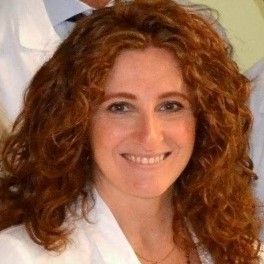
Maria Pia Cicalese
MD, PhD
Consultant Pediatrician at San Raffaele Scientific Institute, Milan, Italy
Assistant Professor of Pediatrics at the University Vita-Salute San Raffaele of Milan, Italy
Dr Maria Pia Cicalese is a Physician Scientist at the Pediatric Immunohematology Unit in San Raffaele Hospital, Milan and San Raffaele Telethon Institute for Gene Therapy (SR-Tiget). Her roles include Bone Marrow Transplanter, Gene Therapist, Autologous Transplant Coordinator, Quality Manager and Head of Outpatient Clinic. She is an experienced clinical investigator with training in GCP, regulatory aspects and pharmacovigilance, acting as PI or investigator of several interventional and observational clinical trials and interacting with regulatory authorities (i.e. AIFA and EMA).
She was funded as PI from Italian Ministry of Health and European Union.
Her clinical and scientific interests mainly deal with diagnosis and management of patients with Primary Immunodeficiencies (PIDs), new genes causing PIDs, gene therapies for ADA SCID and Wiskott Aldrich Syndrome and long-term safety and efficacy monitoring of gene therapy through registries. She was among the key persons working in the Marketing Approval of the first ex-vivo gene therapy approved in the world, named Strimvelis©, for the treatment of ADA SCID, and she is currently the Responsible Physician for this treatment.
She graduated in Medicine in 2004, specialised in Paediatrics in 2010 and achieved a PhD in Reproduction, Development, and Human Growth in 2015 at the University of Naples Federico II. She is a member of a variety of scientific groups and she is also Assistant Professor of Pediatrics at the University Vita-Salute San Raffaele of Milan.
Since October 2024, she is ESID (European Society for Immunodeficiencies) Clinical Working Party Chair.
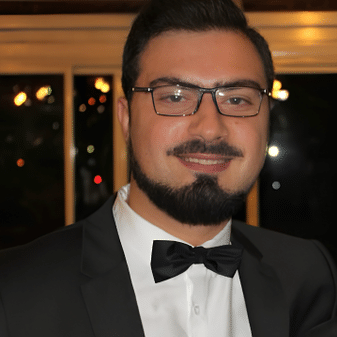
Alex Issam Tout
Dr. Alex Issam Tout is a Staff Scientist in the Laboratory of Immunoregulation at Sidra Medicine (Doha, Qatar). He contributes to the identification, molecular understanding, and discovery of the genetic basis of disease in patients with immune dysregulation and autoimmunity. Trained in immunology, virology, and molecular biology, Alex leverages advanced genomic and cellular approaches to elucidate intricate molecular pathways and reveal novel therapeutic targets and identify innovative drugs for immunomodulation.
Alex performed his doctoral research and technical training at Université Claude Bernard Lyon 1 in France, where he earned his Ph.D. in Immunology, Virology, and Molecular Biology. Throughout his career, he has developed a deep expertise in viral hepatitis, cancer research, and immune tolerance with more than 15 publications (h-index 14). At Sidra Medicine, he works closely under the leadership of Dr. Bernice Lo to advance targeted treatments for complex immune-related conditions.
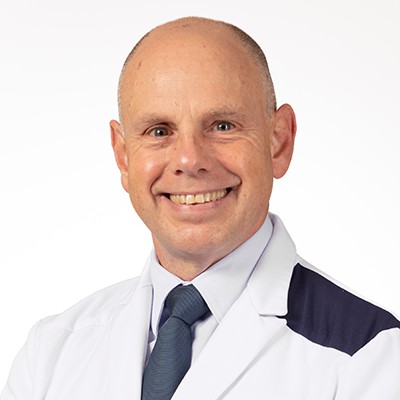
Andres Perez Lopez
FAAP, MD
Division Chief | Microbiology
Dr. Andres Perez-Lopez is Chief of the Microbiology Division at Sidra Medicine. Board-certified in Clinical Microbiology and Pediatrics in Spain, he holds a PhD in Pediatrics and a master’s degree in Infectious Diseases and Applied Microbiology from the Autonomous University of Barcelona. He has more than 30 years of hands-on experience in medical microbiology, general pediatrics, and infectious diseases and has authored over 80 articles in international peer-reviewed journals.

Mohamed Abuzakouk
MBBCh, PhD, FRCPath, FFPath (RCPI), FRCP, FACP
Consultant in Clinical Immunology and Allergy
Clinical Professor of Medicine, Cleveland Clinic, Ohio
Chair, Allergy & Immunology, MSI
Cleveland Clinic AbuDhabi
Professor Mohamed Abuzakouk is a Consultant in Allergy and Clinical Immunology and serves as Chair of the Allergy and Immunology Division at the Medical Subspecialties Institute, Cleveland Clinic Abu Dhabi. He is also a Clinical Professor of Medicine at Cleveland Clinic, Ohio, USA. Professor Abuzakouk is the Founder and President of the Gulf Academy of Allergy and Clinical Immunology (GA²CI).
Prior to joining Cleveland Clinic Abu Dhabi, Professor Abuzakouk was the Lead Consultant Immunologist and Allergist in the Department of Clinical Immunology and Allergy at Hull Royal Infirmary in the United Kingdom. During his tenure, he also served as Director of Clinical Studies at Hull York Medical School and as the Clinical Lead for the Northern Autoimmunity Educational Quality Assurance Group. Additionally, he provided immunology consultancy services to several teaching hospitals in Ireland for accreditation purposes.
Professor Abuzakouk has participated in numerous international research studies and has published extensively on various aspects of immunologic and allergic diseases in peer-reviewed journals. He has served as Principal Investigator in multiple European multicenter research projects and has been actively involved in national and regional medical organizations in the UK, including contributing to the work of the National Institute for Health and Care Excellence (NICE).

Assoc. Prof. Esra Karabiber
MD
Adult Allergy and Clinical Immunology specialist
Marmara University Pendik Training and Research Hospital, Istanbul, Türkiye.
Assoc. Prof. Esra Karabiber, MD, is an Adult Allergy and Clinical Immunology specialist at Marmara University Pendik Training and Research Hospital, Istanbul, Türkiye. She received her medical education and completed her specialty training in Chest Disease and subsequently in Allergy and Clinical Immunology. Her clinical and academic work focuses on adult patients with inborn errors of immunity, hereditary angioedema, primary immunodeficiency disorders, and complex immune-mediated diseases.
In addition to her research activities, she is actively involved in the diagnosis and long-term management of adults with rare immunological disorders and contributes to resident and medical student education. She is committed to translating scientific advances into improved patient care and promoting multidisciplinary collaboration in the field of clinical immunology.
Dr. Karabiber continues to participate in collaborative research projects and international scientific networks, with the aim of advancing knowledge and improving the quality of life of patients living with rare immune disorders.

Sevgi Bilgiç Eltan
MD
Associate Professor of Pediatrics and Pediatric Allergy & Immunology
Sevgi Bilgiç Eltan, MD, is an Associate Professor of Pediatrics and a specialist in Pediatric Allergy and Immunology at Marmara University Faculty of Medicine, Istanbul, Türkiye. Her clinical and research interests focus on inborn errors of immunity, particularly combined immunodeficiencies, thymic disorders, immune dysregulation, and their clinical and immunological characterization. She is actively involved in the diagnosis and management of patients with primary immunodeficiencies and in translational research aimed at improving understanding of immune defects. She has contributed to national and international scientific studies and publications in pediatric immunology and allergy. She recently completed a research visit at University College London Great Ormond Street Institute of Child Health, where she gained experience in advanced cellular models, including artificial thymic organoid systems, to investigate T-cell development and thymic dysfunction.

İsmail Reisli
Prof. İsmail Reisli graduated from Ankara Faculty of Medicine in 1991 and became a Pediatrician in 1997, an associate professor in 2005 and a professor in 2010.
He has around 200 scientific articles published in international and national journals, and more than 250 national and international panel talks and conferences. The most important of his studies are about CD19 deficiency, which he identified in a Turkish girl for the first time and was published as a "new" immunodeficiency in literature, and his field and carrier studies on this subject, as well as the frequency and awareness studies such as J Project Meetings for physicians on inborns errors of immunity.
He is currently the Dean of Seydişehir Kamil Akkanat Faculty of Health Sciences and the Head of the Department of Pediatric Immunology and Allergy at Necmettin Erbakan University in Konya, Türkiye.

Nima Rezaei
MD, PhD
Professor Nima Rezaei gained his medical degree (MD) from Tehran University of Medical Sciences and subsequently obtained an MSc in Molecular and Genetic Medicine and a PhD in Clinical Immunology and Human Genetics from the University of Sheffield, UK. He also spent a short-term fellowship of Pediatric Clinical Immunology and Bone Marrow Transplantation in the Newcastle General Hospital. Professor Rezaei is now the Full Professor of Immunology and Vice Dean of Research and Technologies, School of Medicine, Tehran University of Medical Sciences, and the co-founder and Head of the Research Center for Immunodeficiencies. He is also the Founder of the Universal Scientific Education and Research Network (USERN). Prof. Rezaei supervised more than two hundred research projects and designed and participated in several international collaborative projects. Prof. Rezaei is the editor, editorial assistant, or editorial board member of more than fifty international journals. He edited more than one hundred international books, presented more than a thousand lectures in congresses/meetings, and published more than 1,500 scientific papers in the international journals.

Sara Deola
MD, PhD
Investigator, R&D Gene Therapy and BMT, Advanced Cell Therapy Core, Sidra Medicine
Adjunct Assistant Professor, CHLS, HBKU
Dr. Deola is a clinical scientist with board certification in Hematology-Oncology from Vita-Salute San Raffaele University in Milan, Italy, and a PhD in Experimental Hematology with a training at the Telethon Institute for Gene Therapy (TIGET). Her doctoral research focused on hematopoietic stem cell gene transfer, and her clinical expertise centers on allogeneic hematopoietic stem cell transplantation.
Within the Advanced Cell Therapy Core, at Sidra Medicine, she leads research programs focused on hematopoietic stem cell gene therapy for hemophilia, systemic therapeutic approaches for epidermolysis bullosa, and the development of engineered anti-tumor chimeric antigen receptor T cells for clinical applications. Her work also addresses acute leukemias, and graft-versus-host disease following allogeneic hematopoietic stem cell transplantation, with emphasis on immunology, transcriptomics, and B–T lymphocyte interactions.

Amel Siddik Elshikh Hassan
Medical Director & Senior Consultant in Pediatric Allergy & Clinical Immunology
- Amel Hassan is a leading Pediatric Allergy and Clinical Immunology Consultant in Qatar, she is the Founder & medical director of (SPIA) the Specialized Pediatric Immunology & Allergy Center. She is a Fellow of the Royal College of Pediatric and child health (FRCPCH) and an Adj professor of pediatric Immunology and allergy at Qatar University
- She has extensive regional and international experience; She has over 30 years, both in UK and Qatar, with expertise in diagnosis & management of complex primary immunodeficiency (IEI), immune dysregulation and allergic disorders
- she has dedicated her career to advancing specialized care for children with complex immunodeficiency, Immune dysregulation and complex allergies. She integrates advanced immunological diagnostics with evidence-based, precision-driven treatment strategies tailored to each child’s unique immune profile.
- Amel’s clinical philosophy is centered on excellence, innovation, and family partnership. Through SPIA, the first dedicated Pediatric Immunology & Allergy center in the private healthcare sector, she aims to redefine pediatric immune healthcare standards in the private sector, by combining subspecialized expertise, preventive medicine, and long-term disease optimization.
- Her goal is to provide highly specialized, compassionate care while empowering families with knowledge and confidence in managing their child’s condition.
- She maintains active membership in major international allergy and immunology societies and contributes to local & regional medical education initiatives, ensuring that SPIA remains aligned with global best practices.
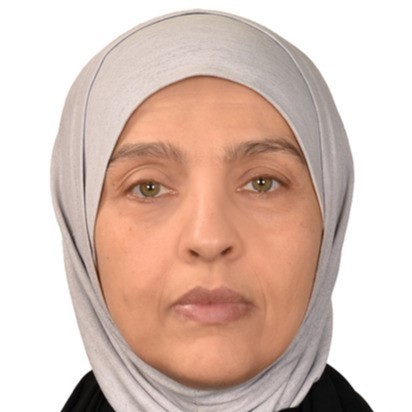
Iman Nasr
Senior Consultant Internist, Immunologist and Allergist
Royal Hospital
Head - Adult Immunology and Allergy unit
Dr. Iman Nasr is a Senior Consultant Internist, Immunologist and Allergist at Royal Hospital and head of the Adult Immunology and Allergy unit. She did her fellowship training in Immunology and Allergy at the Royal London Hospital in the UK in 2013. She is a fellow of the Royal College of Physicians (UK) and a fellow of the American Academy of Allergy, Asthma and Immunology (AAAAI).
The Immunology and Allergy unit at the Royal Hospital is recognised as a World Allergy Centre of Excellence, an Urticaria Center of reference and excellence (UCARE), an Angioedema Center of reference and excellence (ACARE), an Anaphylaxis and Food Allergy Center of reference and excellence (ANACARE) and an Atopic Dermatitis Center of reference and excellence (ADCARE) as well as a member of the HAEi (Hereditary Angioedema International).
Dr Iman is the vice president of the Oman Society of Allergy and Clinical Immunology (OSACI) and cofounder of the Gulf Academy of Allergy and Clinical Immunology (GAACI) and has many publications.

Reem Elfeky
PhD
Paediatric Immunology Consultant
Great Ormond Street Hospital
Honorary Associate Professor- Immunology and cell therapy,
Institute of child health, UCL.
Dr Reem Elefeky is a paediatric immunologist and bone marrow transplant specialist with expertise in cell and gene therapy. She is a consultant in Paediatric Immunology at Great Ormond Street Hospital, London. After graduating from Ain Shams University, Egypt, in 2001, she trained in paediatrics and completed master’s and doctoral degrees in paediatric immunology. She later undertook fellowships in Newcastle and London and earned an MD(Res) from UCL in 2020 following her coordination of a first-in-human trial of genetically modified T cells in haploidentical transplantation. Dr Elefeky has published more than 26 original articles, including work in JACI, Blood, and Science Immunology, and has received poster prizes, travel awards, and the 2019 John Goldman Prize for clinical research. An ESID mentor and active ASID contributor, she supports immunology education across Africa and helps develop transplantation services and training initiatives with ESID, IPOPI, and JMF for clinicians caring for patients with inborn errors of immunity.

Prof. Khaled Machaca
PhD
Professor of Systems and Computational Biomedicine
Vice Dean of Research, Innovation, and Commercialization
Khaled is Professor of Systems and Computational Biomedicine at Weill Cornell Medicine and serves as the Vice Dean for Research, Innovation, and Commercialization for the Qatar campus (WCMQ). In that capacity he oversees the academic, financial, operational, and compliance aspects of the research effort at WCMQ, which currently encompasses about 25 Labs and 200 researchers. Professor Machaca oversaw the establishment of the administrative and regulatory infrastructure; centralized core laboratories; and faculty recruitment since 2009. He also serves as the designated institutional official for research compliance. He leads and serves on multiple institutional, national, and international committees.
The Machaca Lab focuses on three broad areas of research: 1) Ca2+ signaling under physiological and pathological conditions, with a focus on the role of store-operated Ca2+ entry in multiple organs. 2) The non-genomic progesterone signaling cascade driving oocyte maturation. 3) Personalized medicine treatments for patients with inherited monogenic disorders. Using cellular models to understand disease pathology and support clinicians in rapidly personalizing treatments.
Work from the Machaca Lab has been published in leading biomedical journals and garnered continuous extramural funding from both the National Institute of Health (NIH) and the Qatar Research Development and Innovation (QRDI) Council. Khaled serves on several editorial boards, reviews widely for scientific journals and granting agencies, and has an extensive track record of training students and postdoctoral fellows.
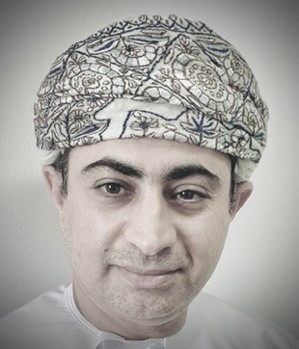
Salem Al-Tamemi

Gehad Elghazali
MD, PhD
Consultant Physician / Head of Laboratory Section
Gehad ElGhazali graduated from the Faculty of Medicine, University of Khartoum, Sudan, and subsequently completed specialist training in Clinical Immunology at Uppsala University Hospital and earned a PhD in Clinical Immunology, Sweden. He is triple board-certified in Clinical Immunology (Sweden), Diagnostic Immunology (American Board), and Transplant Immunology (American Board of Histocompatibility and Immunogenetics). Dr. ElGhazali has authored over 100 publications in international journals, including leading journals such as Nature Immunology, Nature Genetics, Cell, and Science.

Serdar Ceylaner
Medical Doctor, Prof. of Medical Geneticist
Prof. Dr. Serdar Ceylaner is a medical doctor and medical geneticist specializing in rare and undiagnosed diseases, with a focus on diagnosis, research, and education. He is founder, partner, and director of Intergen Genetics and Rare Diseases Diagnostic and Research Center and serves in the Department of Medical Genetics at Lokman Hekim University. He is President of the European Union of Medical Specialists Rare and Undiagnosed Diseases Committee, Turkey’s representative to its Medical Genetics section, a member of the Undiagnosed Diseases Network International, Co-Chair of its Low- and Middle-Income Countries Working Group, and a member of Rare Diseases International’s CGN4RD. Formerly President of the Turkish Medical Genetics Association, he founded the Genetics Department at Zekai Tahir Burak Women’s Health and Training Hospital. Over 30 years, his work has addressed rare diseases and medical complications. His academic record includes 250 international publications, one book, 20 book chapters, 500 conference contributions, and participation in 80 scientific projects.

Ahmed Seri
M.D.
Clinical Immunology and Allergy Specialist
Immune Dysregulation Program, Sidra Medicine
Dr. Ahmed Seri is a Clinical Immunology and Allergy Specialist with expertise in inborn errors of immunity (IEI), immune dysregulation, and translational clinical immunology. He holds an MD in Clinical Immunology and has experience spanning clinical practice, research, medical education, and healthcare quality and accreditation.
Dr. Seri is a member of the Clinical Immunology Committee of the International Union of Immunological Societies (IUIS) and formerly served as a Board Member of the African Society for Immunodeficiencies (ASID). He is currently involved in establishing the Middle East, North Africa and Turkey IEI (MENAT IEI) Registry as part of the MENAT Region Inborn Errors of Immunity Research Consortium.
His professional interests include advancing IEI diagnosis and management, strengthening specialized immunology services, and fostering international collaboration, research, and capacity building across the Middle East and Africa.

Şükrü Nail Güner
M.D.
Dean, Faculty of Medicine
Professor of Pediatrics
Pediatric Allergy and Immunology
Necmettin Erbakan University
Konya, Türkiye
Prof. Dr. Şükrü Nail Güner, MD, is a Professor of Pediatrics and a specialist in Pediatric Allergy and Immunology at Necmettin Erbakan University in Konya, Türkiye, where he currently serves as Dean of the Faculty of Medicine.
His main clinical and academic interests are inborn errors of immunity (IEI), immune dysregulation, and pediatric allergic diseases. He has extensive clinical experience in the diagnosis and long-term management of children with IEI, including patients undergoing hematopoietic stem cell transplantation and gene therapy. He has a particular clinical and academic interest in adenosine deaminase (ADA) deficiency and other severe combined immunodeficiencies, including their diagnosis, treatment, and long-term follow-up.
His other areas of interest include pediatric anaphylaxis, food allergy, and complex immune-mediated disorders. He is actively involved in clinical research and national and international scientific collaborations in pediatric allergy and immunology.

Honar Cherif
MD PhD Professor
Senior Consultant Hematologist Chairman of Dept of Hematology & BMT National Center for Cancer Care & Research Hamad Medical Corporation Doha, Qatar
Dr. Honar Cherif is Professor of Hematology with extensive academic and clinical experience. He completed hematology training at Karolinska University Hospital, Stockholm, and earned his PhD focusing on infectious complications in hematologic malignancies. His research interests include infectious complications, vaccination, thrombocytopenia, myelodysplastic syndromes, and acute leukemias. He served as Head of Hematology at Uppsala University Hospital and Associate Professor at Uppsala University. Currently, he is Chairman of Hematology and Bone Marrow Transplantation at Hamad Medical Corporation.

Fayhan Alroqi
Allergy immunology and bone marrow transplant consultant
Ministry of National Guard
Dr Fayhan Alroqi, allergy immunology and bone marrow transplant consultant in Ministry of national guard. He is currently a chairman of outpatient and director of immunology research program at king Abdullah international research center. Dr. Alroqi, has had Saudi and Arab board in pediatric with first honor degree. Then he had his clinical allergy and immunology fellowship in Boston children hospital at Harvard medical school. Also, he has another fellowship in bone marrow transplantation from Dana-Farber Cancer Institute at Harvard medical school. Dr Alroqi is currently the head of the allergy immunology division and the immunology research program. He is interested in clinical and basic science research and his area of expertise is immunodeficiency and immune dysregulation.

Michael Lenardo
M.D.
Distinguished Fellow
Calico Life Sciences LLC
South San Francisco
Michael Lenardo, M.D., is a Distinguished Fellow at Calico Life Sciences, an Alphabet Inc. subsidiary, where he leads research on aging and age-related diseases. Before joining Calico, he spent 35 years at the National Institute of Allergy and Infectious Diseases (NIAID) as an NIH Distinguished Investigator, Chief of the Molecular Development of the Immune System Section, and Director of the NIAID Clinical Genomics Program. Dr. Lenardo is internationally recognized for pioneering discoveries in immunology, including the genetic basis and treatment of congenital immune disorders such as Autoimmune Lymphoproliferative Syndrome (ALPS), CHAPLE disease, and XMEN disease. He earned his B.A. from Johns Hopkins University and his M.D. from Washington University in St. Louis, followed by training at the University of Iowa and the Whitehead Institute at MIT. He is an elected member of leading scientific academies and was appointed an Officer of the Order of the British Empire (O.B.E.).
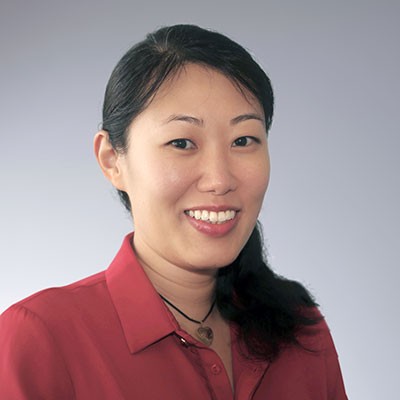
Bernice Lo
RAPID co-chair
PhD
Dr. Bernice Lo is a Principal Investigator in the Translational Medicine Division at Sidra Medicine and a Joint Assistant Professor at Hamad bin Khalifa University (Doha, Qatar). She has contributed to the discovery, diagnosis, and molecular understanding of inherited autoimmune disorders. Bernice performed her post-doctoral training under the leadership of Dr. Michael Lenardo in the Laboratory of Immunology at the National Institutes of Health in the US. She is trained in cell and molecular biology and genomic approaches for genetic diagnosis. During her fellowship, she helped discover and understand the etiology of two new diseases of immune dysregulation. She received her Ph.D. in Cell Biology at Duke University under the mentorship of Dr. Jo Rae Wright, where she began her appreciation for the immune system and the critical role of immune tolerance and regulation.

Mohammed Karim
RAPID co-chair
MBBChir, MSc, FRCP, FRCPath, FHEA
Chief, Division of Hematology/Immunology/Transfusion, at Sidra Medicine and Clinical Professor in Immunopathology, Qatar University. Yousuf studied medicine at Cambridge University and Guy’s & St Thomas’ Hospitals, qualifying in 1993 with Distinctions in Medicine and Pathology. He was Consultant Immunologist at Surrey Pathology Services 2004-18 and Clinical Lead in Immunology at Guy’s & St Thomas’ Hospitals, London 2006-14.
He was previously Chair of the Clinical Immunology Committee of the British Society for Allergy and Clinical Immunology, and is currently Country Advisor for Qatar for the Royal College of Pathologists. He is Steering Committee Chair for the “BASICS” project developing international recommendations for hypogammaglobulinemia secondary to B-cell therapies. He is co-Lead of the Sidra Immune Dysregulation Clinical Research Program. He has authored 100 publications and chapters, and received grant awards totaling $3.7 million.
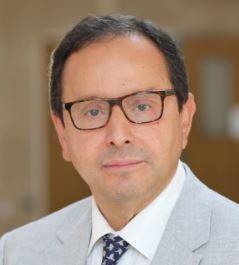
Mohamed Barbouche
Department of Microbiology, Immunology and Infectious Diseases College Medicine and Health Sciences Arabian Gulf University Manama, Bahrain
Ridha Barbouche is M.D., Ph.D., Professor of Immunology, he trained at the Pasteur Institute and at Necker Hospital in Paris, he was post-doctoral fellow at Cornell University in New York.
He was the head of the Department of Immunology at the Pasteur Institute of Tunis, University of Tunis, Tunisia, and he recently joined the Arabian Gulf University in Manama, Bahrain. His clinical interests are the investigation of immune-mediated diseases, and his research activity is dedicated to the study of Inborn Errors of Immunity.
He is an external member of the Scientific Board of the International Pasteur Network. He sits as an expert in different international committees of the WHO, the NIAID and the International Union of Immunological Societies.
He produced research work in Immunology, including immune deficiencies and immunity to infections with more than 170 peer-reviewed publications. He was awarded the University of Montreal Research Prize.

Sevgi Keles
MD
Professor of Pediatrics Necmettin Erbakan University, Meram Medical Faculty, Division of Pediatric Allergy and Immunology, Konya, TURKEY
Sevgi Keles is a Professor of Pediatric Allergy and Immunology at Necmettin Erbakan University, Konya, Türkiye. Her main research interests include inborn errors of immunity, particularly DOCK8 deficiency, hyper-IgE syndromes, combined immunodeficiencies, immune dysregulation, and type I interferon immunity in severe COVID-19. Her work focuses on detailed clinical phenotyping, func rlying immune dysfunction. She is actively involved in national and international collaborative studies aiming to improve the diagnosis, treatment, and long-term management of patients with inborn errors of immunity.

Michel Massaad
Ph.D., M.Sc.
Associate Professor of Immunology Department of Experimental Pathology, Immunology, and Microbiology Department of Pediatrics and Adolescent Medicine Research Center of Excellence in Immunity and Infections, Director Center for Infectious Disease Research Scientific Advisor to the Lebanese National Newborn Screening Program for SCID Medical Year 1 Class teaching Committee, Chaireman
Dr. Massaad is a renowned specialist in the study of Inborn Errors of Immunity (IEI).
He established programs at the Boston Children’s Hospital/Harvard Medical School, and the Faculty of Medicine of the American University of Beirut centered around determining the genetic etiologies of IEI and their functional contribution to disease development. He published more than 80 original articles describing the mechanisms of disease development in IEI.
He also studies the longitudinal T and B adaptive immune response against SARS-CoV-2 infection and vaccination against the virus.
He is also involved in the education of graduate and medical students, and serves on several academic committees for the amelioration of education and healthcare.

Waleed Al-Herz
MD
Professor of Pediatrics Consultant Allergist & Clinical Immunologist Department of Pediatrics College of Medicine Kuwait University, Kuwait
Prof. Waleed Al-Herz is a Professor at the College of Medicine, Kuwait University, and a distinguished clinician-scientist with expertise in clinical immunology, and allergic diseases. He has made significant contributions to clinical research, medical education, and the advancement of immunological sciences in Kuwait and the region with strong international research collaboration.
Prof. Al-Herz’s research focuses on the epidemiology of inborn errors of immunity and mechanisms of various known immunologic diseases and he contributed to the identification of several novel immune diseases.
He is widely recognized for his contributions to patient care, academic leadership, and international collaborations in immunology and related fields through participation in both regional and international committees and conferences.
He has more than 150 publications in peer-reviewed journals about primary immunodeficiencies and allergies and among the top 1% of highly cited researchers for the last several years and received several awards in appreciation of his research activities.
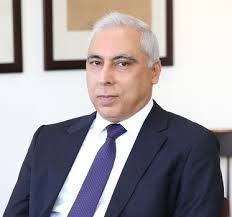
Dr. Mohamed H. Sayegh
Dr. Mohamed H. Sayegh is a leading physician-scientist and academic leader whose career spans medicine, research, and global health strategy. After earning his MD with distinction from AUB in 1984, he trained in Internal Medicine at Cleveland Clinic and completed a fellowship in Renal Medicine and Transplantation Immunobiology at Harvard Medical School, later becoming Professor of Medicine and holding the Grupe-Merrill Endowed Chair. He returned to AUB in 2009 as Dean of the Faculty of Medicine and Executive Vice President of Medicine and Global Strategy, leading the AUBMC 2020 Vision, which raised $230 million and recruited over 200 faculty back to Lebanon. He later helped establish AUB's Global Health Institute, the first of its kind in the MENA region. An internationally recognized transplantation immunobiology expert with over 350 publications and an H-index of 99–116, he has received numerous honors, including the Mustafa Prize. He now serves as Senior Scientific Advisor to the Director at NIAID/NIH, promoting research collaboration across the MENA region.

Pere Soler Palacín
MD, PhD, MSc.
Cap del servei de Pediatria. Hospital Infantil Vall d’Hebron. Vall d’Hebron Barcelona Hospital Campus Professor agregat. Universitat Autònoma de Barcelona (UAB) Passeig de la Vall d’Hebron, Barcelona
Head of the Department of Pediatric at the Children’s Hospital, Vall d’Hebron Barcelona Hospital Campus. Director of the Jeffrey Modell Diagnostic and Research Center for Primary Immunodeficiencies. Leader of the Infection and Immunity in Pediatric Patients Research Group at the Vall d’Hebron Research Institute (VHIR). Local Coordinator for the European Reference Network on Rare Immunodeficiency, Autoinflammatory and Autoimmune Diseases (ERN-RITA).Scientific output includes over 25 research projects, more than 300 peer-reviewed publications, and over 250 scientific communications. Full Professor at the Universitat Autònoma de Barcelona. Pediatric Expert for the European Medicines Agency. Member of the Spanish Board of Orphanet. President of the Barcelona Primary Immunodeficiency Foundation (PID Foundation). Medical Consultant to the Catalan Association for Immune Deficiencies (ACADIP).

Imen Ben Mustapha
MD
Professor of Immunology Head of the Laboratory of Cyto-Immunology Laboratory of Transmission, Control and Immunobiology of Infections Institut Pasteur de Tunis
Imen Ben-Mustapha is Professor of Immunology at the University of Tunis El Manar and the Pasteur Institute of Tunis.
She received her MD from the University of Tunis and her MSc from Pierre et Marie Curie University in Paris.
She currently leads the National Reference Laboratory for Inborn Errors of Immunity (IEI) at the Pasteur Institute of Tunis.
She is also a member of the National Immunization Technical Advisory Group.
Her current work focuses on uncovering the immunological mechanisms underlying IEI with atypical presentation.

Deniz N. Cagdas Ayvaz
MD, PhD
Head of the Pediatric Immunology Division Professor of Pediatrics Hacettepe University Medical School İhsan Doğramacı Children's Hospital Institute of Child Health Department of Pediatrics Division of Pediatric Immunology Ankara, TURKEY
After working on pediatric cardiology for four years, she completed Pediatric Immunology/Allergy subspecialty, PhD in Immunology, studied as a visiting scientist at Rockefeller University, Harvard University, and the NIH-NIAID, was awarded a certificate from the Fulbright Foreign Scholarship Board and The Bureau of Educational and Cultural Affairs of the United States Department of State after completion of the Fulbright Scholarship Program at the NIH-NIAID. She has worked as a professor since 2018, and been working as the head of the Immunology Department since 2022, has more than 40 scientific projects founded by national/international grants. She is interested in autoimmunity/immune dysregulation/lymphoproliferation/cancer pathogenesis/transplantation immunology/aging immunity. She has made contributions to the epidemiological mapping and clinical management of inborn errors of immunity and contributed to defining new primary immunodeficiency genes (RASGRP1, IL6ST, and GIMAP6) with over 600 publications, including over 216 articles in Pubmed (Web of Science: >3000 citations, h index 28).

Yazan Said
MD
Senior Attending Physician Sidra Medicine, Qatar
Yazan Said is a Senior Consultant specializing in Allergy, Clinical Immunology, and Pediatric Pulmonology at Sidra Medicine since July 2024. He earned his medical degree from University of Jordan in 1991, completed pediatric residency in New York, and obtained American Boards in Pediatrics and Allergy/Immunology by 1999. He further trained in pediatric pulmonology in California. He held leadership roles including heading the Advanced Pediatric Pulmonary Center in Florida and the Pediatric Pulmonary/Allergy section at King Fahad Specialist Hospital in Saudi Arabia. He has served on several international advisory boards and professional societies, organized numerous specialized conferences and had many publications. His expertise and research included: primary immunodeficiency, immunotherapy, cystic fibrosis, chronic urticaria, severe asthma, eosinophilic esophagitis, and early onset IBD.

Mehdi Mohammed Al-Adeli
MD, FAAAAI, FACAAI, FAAP, A.B.A.I, A.B.P
Senior Pediatrics, and Allergy, and Clinical Immunology Consultant
The View Hospital
Mehdi Mohammed Al-Adeli, MD, FAAAAI, FACAAI, FAAP, A.B.A.I, A.B.P., is a consultant in pediatrics, allergy, and clinical immunology. He earned his medical degree from Damascus University Medical School and holds board certifications in Pediatrics, Allergy and Immunology, and the Arab Board in Pediatrics. He worked at Hamad Medical Corporation as Senior Attending in Pediatrics and later in Allergy and Clinical Immunology before joining Sidra Medicine in 2017, where he served as Chief of the Pediatric Allergy and Immunology Division, Allergy and Immunology Fellowship Program Director, and Assistant Professor at Weill Cornell Medicine–Qatar. In 2024, he moved to private practice at The View Hospital, Qatar.
Dr. Al-Adeli has contributed significantly to allergy and immunology in Qatar, including establishing the Qatar National Neonatal Screening Program for Severe Combined Immunodeficiency, the Qatar National Registry for Primary Immunodeficiency Diseases, and the Aeroallergens Mapping Project. He also launched the Allergy and Immunology Awareness Program to improve patient education. His academic output includes more than 70 peer-reviewed articles, numerous conference presentations, book chapters, and educational resources in Arabic and English. His work has been recognized nationally and internationally through several awards, including Hamad Medical Corporation Stars of Excellence awards and honors for contributions to primary immunodeficiency and pediatric allergy care.
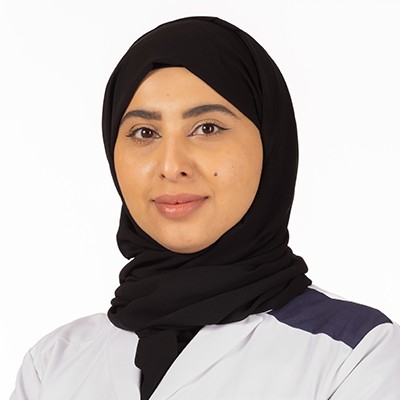
Buthaina Al Adba
MBBS, CABP
Senior Attending Physician
Sidra Medicine
Dr. Buthaina Al Adba is a Senior attending physician at Sidra Medicine. Assistant Professor of Clinical Pediatrics Weill Cornell Medicine-Qatar . Assistant program director for the Rheumatology fellowship program . The executive committee's chairperson for the Pediatric Rheumatology Arab Group. Member of Qatari Physician Association. Member at American Collogue of Rheumatology . Dr. Buthaina Al Adba is a senior attending physician at Sidra Medicine. She obtained her medical degree at King Faisal University in Saudi Arabia, followed by a pediatric residency at Hamad Medical Corporation. Dr. Al Adba is certified by Arab Board Health Specialization in general pediatric (CABP) in 2011. She completed fellowship training in Pediatric Rheumatology in Sickids Hospital at Toronto, Canada in 2015.
Dr Al Adba established a multi-disciplinary clinic to treat Aicardi Goutieres Syndrome with a team approach. She won the “Outstanding Patient Experience” award at Sidra. Dr Al Adba is a peer reviewer for the Pediatric Rheumatology Online
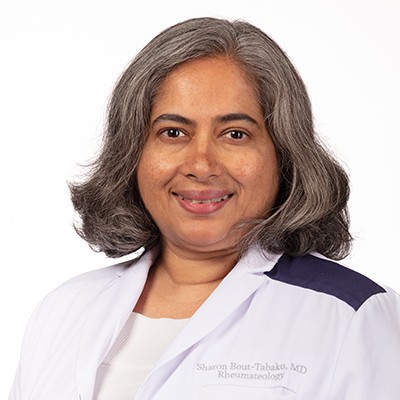
Sharon Bout-Tabaku
MD, MSCE
Division Chief
Sidra Medicine
Dr. Bout-Tabaku is Division Chief of Pediatric Rheumatology. She practiced at Nationwide Children’s Hospital in Columbus, Ohio, USA for 8 years. She was a portfolio coach/mentor for medical students at The Ohio State University College of Medicine. Her research focused on the effects of obesity on the musculoskeletal system, specifically on pain, function and performance.
Dr. Bout-Tabaku has developed a clinical practice in general rheumatology, and has developed a multidisciplinary clinic to provide ophthalmology screening for patients with juvenile arthritis. She has developed several quality initiatives to ensure high quality patient services.
Dr.Bout-Tabaku teaches pediatric rheumatology to students from Weill Cornell Medical School and from Qatar University.
Dr. Bout-Tabaku research focus at Sidra Medicine has been in the genomics of rare inflammatory disease and in the pharmacogenomics of juvenile idiopathic arthritis.
Dr. Bout-Tabaku is a peer reviewer for multiple pediatric rheumatology journals and has spoken at regional and international meetings.

Chiara Cugno
MD
Division Chief - Hematology, Oncology, BMT
Acting Chief Hematology, Oncology and BMT
Director | Advanced Cell Therapy Core
Dr. Chiara Cugno is the Acting Chief of Hematology and Oncology at Sidra Medicine. Since joining Sidra Medicine in April 2014 as Bone Marrow Transplant Program Manager, she has held several leadership roles, including Director of the Advanced Cell Therapy Core, Attending Physician in Hematology and Oncology, and Acting Executive Director of Core Facilities.
Dr. Cugno provides care for children with a wide range of hematological and oncological conditions, including leukemia, lymphoma, solid tumors, bone marrow failure syndromes, hemoglobinopathies such as thalassemia and sickle cell disease, primary immunodeficiencies, and patients undergoing hematopoietic stem cell transplantation. She is also actively involved in the delivery of advanced cell and gene therapies, including CAR-T therapies and Casgevy.
Prior to joining Sidra Medicine, Dr. Cugno worked as an Attending Physician in Pediatric Hematology, Oncology and Bone Marrow Transplantation in Italy at Azienda Ospedaliera Integrata in Verona and IRCCS Policlinico San Matteo in Pavia. In addition to her clinical responsibilities, she leads translational and clinical research programs focused on cell and gene therapy, immunotherapy, and pediatric blood disorders and cancers.

Mehdi Mohammed Al-Adeli
MD, FAAAAI, FACAAI, FAAP, A.B.A.I, A.B.P
Senior Pediatrics, and Allergy, and Clinical Immunology Consultant
The View Hospital
Qatar
Dr. Mehdi Mohammed Al-Adeli is a consultant pediatric allergist and clinical immunologist with extensive experience in Qatar and the United States. He earned his medical degree from Damascus University and holds board certifications in Pediatrics, Allergy and Immunology, and the Arab Board of Pediatrics. After senior roles at Hamad Medical Corporation, he joined Sidra Medicine in 2017 as Chief of the Pediatric Allergy and Immunology Division, Fellowship Program Director, and Assistant Professor at Weill Cornell Medicine-Qatar. Since April 2024, he has been in private practice at The View Hospital, Qatar. Dr. Al-Adeli established Qatar’s neonatal screening program for Severe Combined Immunodeficiency and national registry for Primary Immunodeficiency Diseases and led the Aeroallergens Mapping Project. He founded the Allergy and Immunology Awareness Program, published widely, produced bilingual educational resources, and received multiple national and international awards for patient care, education, and clinical excellence.

Bandar K Al Saud
MBBS, FRCPC, GDCE, FAAAAI
Consultant Allergist/Immunologist
Department of Pediatrics
King Faisal Specialist Hospital & Research Center
Associate Professor, Alfaisal University
Dr. Bandar Al Saud, MBBS, FRCPC, is a Consultant in Pediatric Allergy and Immunology at King Faisal Specialist Hospital and Research Center in Riyadh, Saudi Arabia, and an Associate Professor at Alfaisal University. He completed his medical degree at King Saud University, followed by specialty training in Pediatrics and subspecialty training in Allergy and Immunology through the Royal College of Physicians and Surgeons of Canada. He also holds a Graduate Diploma in Clinical Epidemiology from McMaster University. Dr. Al Saud has held several leadership roles, including Head of the Pediatric Allergy/Immunology Section, Director of the Fellowship Training Program, and Vice President of the Saudi Allergy, Asthma, and Immunology Society. His interests include clinical and basic research, particularly primary immunodeficiency diseases, and he established the Saudi Primary Immunodeficiency Disease Registry at KFSHRC. He has authored 56 peer-reviewed publications.

Aisha Elmarsafy
MD, PhD Pediatrics
Emeritus Professor of Pediatrics, former Head of IEI Unit, Faculty of Medicine, Cairo University
My interest in IEI started as early as 1982-1983 as I received training at Lyon, Hopital Edouard Herriot.
I initiated the first IEI Unit in Egypt in the year 2000.
Member of ESID - ASID - CIS
Contributed to increased awareness about IEI throughout Egypt
Helped in improving diagnosis of IEI i Egypt, including molecular diagnosis.
Helped with providing appropriate therapy/intervention to IEI patients in Egypt.

Sevgi Keles
MD
Professor of Pediatrics
Necmettin Erbakan University,
Meram Medical Faculty,
Division of Pediatric Allergy and Immunology,
Konya, TURKEY
Sevgi Keles is a Professor of Pediatric Allergy and Immunology at Necmettin Erbakan University, Konya, Türkiye. Her main research interests include inborn errors of immunity, particularly DOCK8 deficiency, hyper-IgE syndromes, combined immunodeficiencies, immune dysregulation, and type I interferon immunity in severe COVID-19. Her work focuses on detailed clinical phenotyping, func rlying immune dysfunction. She is actively involved in national and international collaborative studies aiming to improve the diagnosis, treatment, and long-term management of patients with inborn errors of immunity.

Maryam Al-Nesf Al-Mansouri
Associate Professor in internal Medicine, college of Medicine-QU
Adj Ass Professor Weill Corneal Medical college-Qatar
Dr. Maryam Ali Al-Nesf Al-Mansouri is an Associate Professor of Internal Medicine at the College of Medicine, Qatar University, and Adjunct Associate Professor at Weill Cornell Medicine-Qatar. She has headed the Allergy and Immunology Division at Hamad Medical Corporation since 2016 and previously served as Program Director of the ACGME-I accredited combined Pediatric and Adult Allergy and Immunology Fellowship Program until June 2026. She is also core faculty in Qatar’s Internal Medicine Residency Program. Dr. Al-Nesf earned her MD from Sultan Qaboos University and the Arab Board in Internal Medicine, completed advanced fellowships in Qatar and Cambridge, UK, and holds an MScR in Molecular Medicine from the University of Bristol. She is pursuing a Ph.D. in Molecular Medicine at University College London. Her work includes multiple Qatar Foundation and HMC research grants, more than 100 publications, guideline contributions, and leadership of Qatar’s pollen and fungal calendar and atlas.

Elif Karakoc Aydiner
IBB co-chair
MD, Professor
Department of Pediatrics
Marmara University
Türkiye
Prof. Elif is a faculty member in Pediatrics and Pediatric Immunology and Allergy at Marmara University Faculty of Medicine. She contributes to postgraduate education, research, and awareness activities through the Işıl Berat Barlan Academy and the EAACI Center of Excellence. She previously served as Head of Immunology, Pediatric Immunology-Allergy, and Pediatrics, and is completing a PhD thesis in medical education focused on faculty development, quality, and mentorship. Her research includes individualized immunoglobulin replacement therapies, COVID-19 infection, genetic background and targeted therapies in primary immunodeficiencies, food and respiratory allergies, tolerance mechanisms, and hereditary angioedema. She developed the formula for SÜTMEK®, a trademarked baked-milk oral immunotherapy product for persistent food allergy. Her work has received more than 3,000 citations, with an h-index of 33 (WOS). She also serves on several national and international executive committees and subcommittees in immunology, pediatrics, medical education, and patient advocacy.

Abdulrahman Ahmed Al-Subaiey
Post Doctoral Fellow • Laboratory of Immunoregulation
Sidra Medicine
Dr. Abdulrahman Ahmed Al-Subaiey is a Postdoctoral Fellow in the Immune Dysregulation Research Program at Sidra Medicine, where his research focuses on immune-mediated neurological disorders, pediatric autoimmunity, and the discovery of novel disease-causing autoantibodies using advanced genomic and proteomic technologies. He holds a Ph.D. from Hamad Bin Khalifa University, an M.Sc. in Neuroscience with Distinction from University College London, and a B.Sc. in Biological Sciences from Carnegie Mellon University in Qatar with University and College Honors.
Dr. Al-Subaiey has authored multiple peer-reviewed publications and is actively involved in advancing precision medicine, rare disease research, and translational immunology. He is the recipient of the inaugural Qatar Foundation Alumni Rising Star Award, awarded by Her Highness Sheikha Moza bint Nasser. Beyond his scientific work, he is passionate about fostering partnerships that accelerate healthcare innovation and research impact.
He currently serves as Lead – Business Communications & Outreach for RAPID 2026 and has held the same role for the Precision Medicine and Future of Genomics (PMFG) Summit for the past two years. In these capacities, he leads strategic partnerships, sponsorship development, stakeholder engagement, and external relations, helping connect researchers, industry leaders, policymakers, and philanthropic partners to advance scientific collaboration and innovation.

Azzeddine Tahiat
Rouiba University Hospital and Algiers University of Health Sciences, Algiers
Algeria
Prof. Azzeddine Tahiat is Associate Professor of Immunology and Head of the Immunology Laboratory within the Department of Medical Biology at Rouiba University Hospital, affiliated with the Algiers University of Health Sciences. With over 20 years of clinical and academic experience, he is a leading figure in the field of inborn errors of immunity (IEI) in Algeria and across the MENA region.
He trained in immunology at the Institut Pasteur of Algeria and earned a PhD in Medical Sciences, focusing on immune dysregulation in IEI. He played a pivotal role in developing specialized laboratory facilities and diagnostic platforms for IEI in Algeria and currently leads immunodiagnostic and translational immunology efforts at Rouiba University Hospital. He also completed a research fellowship at Boston Children’s Hospital and Harvard Medical School and remains actively engaged in international collaborations with leading immunology centers.
An internationally recognized expert in flow cytometry, Prof. Tahiat has contributed to training programs across North Africa, Europe, and Asia. He serves as Regional Editor of the Journal of Human Immunity and reviews for several high-impact journals, including Frontiers in Immunology and the Journal of Clinical Immunology. His research includes over 27 international publications, with notable contributions to autoimmune diseases, as well as the phenotypic and genetic characterization and diagnostic strategies of inborn errors of immunity.

Michel J. Massaad
PhD, MSc
Associate Professor of Immunology
Department of Experimental Pathology, Immunology and Microbiology, Faculty of Medicine, American University of Beirut
Department of Pediatrics and Adolescent Medicine, American University of Beirut Medical Center
Director of the Research Center of Excellence in Immunity and Infections
Executive board member of the Pillars in Genomic Institute
Scientific Advisor for the National Newborn Screening Program of Severe Combined Immunodeficiency
Chairman of the Medicine Year 1 Class Teaching Committee
Dr. Massaad is a renowned specialist in the study of Inborn Errors of Immunity (IEI).
He established programs at the Boston Children’s Hospital/Harvard Medical School, and the Faculty of Medicine of the American University of Beirut centered around determining the genetic etiologies of IEI and their functional contribution to disease development. He published more than 80 original articles describing the mechanisms of disease development in IEI.
He also studies the longitudinal T and B adaptive immune response against SARS-CoV-2 infection and vaccination against the virus.
He is also involved in the education of graduate and medical students, and serves on several academic committees for the amelioration of education and healthcare.

Hiba Shendi
MBBS, MD, MRCPCH, MSc, FRCPath, CCT
Consultant Immunologist/Allergist SKMC Hospital, UAE
Assistant Professor, College of Medicine and Heath Sciences,
United Arab Emirates University
Dr Hiba Shendi is Consultant Immunologist/Allergist in Shiekh Khalifa Medical City Hospital (SKMC), Abu Dhabi, UAE. She completed a Clinical MD in Pediatrics and Child Health, Membership of the Royal Pediatrics and Child Health (London), followed by MSc in Immunology of Infectious Diseases, London School of Hygiene and Tropical Medicine and fellowship and higher specialist training in Allergy/Immunology in the UK in 2012.
She worked as Consultant Immunologist/Allergist, Regional Immunology Service, Royal Victoria Hospital, Belfast, UK before joining SEHA hospitals, the largest government hospitals in UAE in 2015, as lead in Allergy and Immunology. She is adjunct assistant professor in the College of Medicine and Health Sciences, UAE University. She is responsible for the significant expansion of the Pediatric Allergy/Immunology service, now a tertiary referral centre for children as well as adults with Inborn Errors of Immunity and Allergy in the UAE. She has been very active on raising awareness about Inborn Errors of Immunity and allergic conditions.
She has various publications, national and international conference presentations and is the main author on the first publication on the spectrum of Inborn Errors of Immunity from the UAE.

Safa Baris
IBB co-chair
MD
Marmara University Hospital, Isil Barlan Translational Medicine Research Center
Istanbul, Türkiye
Safa Baris is a physician-scientist and Professor of Pediatric Immunology and Allergy at Marmara University Hospital in Istanbul, Türkiye. His research focuses on the clinical and translational aspects of inborn errors of immunity, particularly disorders of immune dysregulation, including LRBA deficiency, CTLA-4 insufficiency, IPEX syndrome, and STAT1- and STAT3-gain-of-function diseases.
He has made significant contributions to the discovery and characterization of novel IEIs. His work was instrumental in defining STAT6 GOF and demonstrating the efficacy of targeted therapies, particularly JAK inhibitors, in controlling disease manifestations. He also contributed to the identification and mechanistic understanding of a novel homozygous form of CTLA-4 deficiency.
He established one of the largest cohorts of patients with LRBA deficiency and CTLA-4 insufficiency, generating important insights into disease mechanisms and long-term outcomes of targeted therapies such as abatacept. He currently leads international efforts to develop evidence-based diagnostic and therapeutic guidelines and an ESID-supported treatment consensus for these disorders.

Ahmet Özen
IBB co-chair
Professor of Pediatrics, Division of Allergy and Immunology
Marmara University, Istanbul
Turkiye
Dr. Ahmet Oğuzhan Özen, M.D., is Professor of Pediatrics and Chief of the Division of Pediatric Allergy and Immunology at Marmara University, Istanbul, Türkiye, and Director of the Istanbul Jeffrey Modell Foundation Centre. A graduate of Marmara University School of Medicine, he completed pediatric residency training, subspecialty training in Allergy and Immunology, and postdoctoral research at the National Institute of Allergy and Infectious Diseases, National Institutes of Health.
His research focuses on inborn errors of immunity, monogenic inflammatory bowel disease, complement dysregulation, and congenital protein-losing enteropathies. He helped establish Türkiye’s national monogenic inflammatory bowel disease network and has contributed to the identification of rare genetic immune disorders. His group played a key role in defining CD55 deficiency, or CHAPLE disease, work that supported the development and approval of pozelimab as a targeted therapy.
He founded the Marmara University Işıl Berat Barlan Centre for Translational Medicine and is involved in the MENAT Region Inborn Errors of Immunity Research Consortium Registry.

Ramsay L Fuleihan
MD
Professor of Pediatrics at NUFSM
Dr. Ramsay Fuleihan, Professor of Pediatrics at Northwestern University, is the Clinical Practice Director in the Division of Allergy and Immunology at Lurie Children’s Hospital of Chicago. He has also held faculty positions at Boston Children’s Hospital/Harvard Medical School, Yale University, Columbia University and as Division Chief of Allergy and Immunology at Sidra Medicine. Dr. Fuleihan earned his MD from the American University of Beirut, Pediatric residency at Duke University and Allergy/Immunology fellowship at Children’s Hospital, Harvard Medical School. His research interest is in the pathogenesis and treatment of primary immunodeficiency diseases. He served on the Board of Directors of the American Board of Allergy and Immunology. He is a fellow of the American Academy of Allergy Asthma and Immunology and the Clinical Immunology Society, member of the European Society for Immunodeficiencies and Society for Pediatric Research. He serves on the Medical Advisory Committee of the Immune Deficiency Foundation.

Hasibe Artac
MD
Selcuk University Medical Faculty
Pediatric Immunology and Allergy
Konya, Turkey
Hasibe Artac, M.D., is a professor at Selcuk University in Konya, Turkiye. Dr. Artac’s primary research focus is to define the various clinical, laboratory and immunological characteristics of inborn errors of immunity (IEI) as well as providing training on the management of these diseases accordance with the Global and Local Guidelines. Her recent efforts identified the genetic findings in patients with suspected IEI and assessed the contribution of next generation seguencing in identifing both IEI-related and mimicking genetic variants. Dr. Artac is the founder of “The Selcuk University, Faculty of Medicine, Pediatric Immunology and Allergy” Currently, she is the Division Chief of the Pediatric Allergy and Immunology Program at Selcuk University.

Hamoud Al-Mousa
MD
Professor & Consultant Pediatric Allergy & Immunology
Department of Pediatric
King Faisal Specialist Hospital & Research Center
Riyadh, Saudia Arabia
Hamoud Al-Mousa, MD, is a Professor and Consultant of Pediatric Allergy and Clinical Immunology at King Faisal Specialist Hospital and Research Centre (KFSH&RC) in Riyadh. His clinical and research interests focus on primary immunodeficiency disorders and hematopoietic stem cell transplantation. He is a clinician-scientist and a co-founder of the Immunogenetics Unit within the Department of Genetics at the KFSH&RC Research Centre. Dr. Al-Mousa currently serves as Head of the Pediatric Allergy and Immunology Section. He is deeply involved in clinical care, research, and educational activities, and leads multiple ongoing research projects with numerous publications in the field of primary immunodeficiency disorders.

Baran Erman
PhD
Associate Professor
Institute of Child Health, Hacettepe University, Ankara, Türkiye
Baran Erman, PhD, is an Associate Professor at the Institute of Child Health, Hacettepe University, Ankara, Türkiye, and the Principal Investigator of the Can Sucak Translational Immunology Research Laboratory. His research focuses on the genetic basis, molecular mechanisms, and precision diagnosis of inborn errors of immunity (IEIs), with particular expertise in next-generation sequencing technologies, including whole-exome sequencing, targeted sequencing, and multi-omics approaches for the identification and characterization of novel disease-causing variants. In 2020, he established the Can Sucak Research Laboratory, one of Türkiye's leading research facilities dedicated to the genetic diagnosis and translational investigation of IEIs. His laboratory integrates advanced genomic technologies with functional immunological studies to understand how genetic defects alter immune system development and function. Alongside genetic investigations, his research aims to define the functional consequences of disease-causing variants on the immune system.

Raed Alzyoud
MBBCh.
Consultant Pediatrician
Head, Section of Immunology, Allergy, and Rheumatology
Global Clinical Scholars Research Training Program (Harvard Medical School)
Queen Rania Children’s Hospital
Jordanian Royal Medical Services
Amman, Jordan
Dr. Raed Alzyoud is a Consultant Pediatric Allergy and Immunology specialist with extensive clinical, academic, research, and leadership experience across Jordan, Qatar, the United Arab Emirates, and the United States. His expertise includes pediatric immunology, allergy, rheumatology, primary immunodeficiency disorders, fellowship training, multidisciplinary care, and clinical research.
He completed fellowships in Immunology, Allergy, and Rheumatology at Queen Rania Children’s Hospital and Boston Children’s Hospital, and completed the Global Clinical Scholar Research Training Program at Harvard Medical School. He is board certified in Allergy and Clinical Immunology.
Dr. Alzyoud previously served as Chief of the Pediatric Immunology, Allergy, and Rheumatology Division at Queen Rania Children’s Hospital and founded Jordan’s Pediatric Allergy and Immunology Fellowship Program. He also served at Hamad Medical Corporation in Doha and currently works at Sheikh Khalifa Medical City in Abu Dhabi.
He is President of the Arab Society of Primary Immunodeficiency for 2024–2026 and is active in several regional and international professional societies. He has authored more than 50 papers and presented over 60 abstracts and presentations nationally and internationally.

Kimberly C. Gilmour
Ph.D., FRCPath
Chief of Laboratory Medicine
Consultant Clinical Scientist, Clinical Lead Immunology and Director of Cell Therapy
Camelia Botnar Laboratories
Great Ormond Street Hospital for Children NHS Foundation Trust
London, UK
Dr Kimberly Gilmour is Chief of Laboratory Medicine, Clinical Lead for Immunology, and Director of Cell Therapy at Great Ormond Street Hospital, London. She obtained her PhD from the State University of New York at Stony Brook. Following a research fellowship at Cancer Research UK, she was appointed by Great Ormond Street Hospital to translate her doctoral research into clinical diagnostics and subsequently gained Fellowship of the Royal College of Pathologists. In her current role, Kimberly oversees the processing and production of cell and gene therapy products. In collaboration with the Molecular Genetics department, she developed and manages the national service for diagnosing transplantable primary immunodeficiencies. Kimberly specialises in translational research, with a focus on developing assays to diagnose patients with primary immunodeficiency and to support the treatment and monitoring of patients following cell and gene therapies.

Talal Chatila
MD, M.Sc.
Denise and David Bunning Professor of Pediatrics
Harvard Medical School
Division of Immunology
The Boston Children's Hospital
Talal A. Chatila is the Denise and David Bunning Professor of Pediatrics, Harvard Medical School, and Senior Physician and Director of the Program in Translational Immunology, Division of Immunology, Boston Children's Hospital. His research elucidates how immune tolerance breaks down in monogenic disorders of immunity and in common allergic and autoimmune diseases. This work mapped several genetic pathways controlling tolerance and targeted by mutations, including the original identification of human FOXP3 mutations and the subsequent discovery of networks involving DOCK8, LRBA, IL4R and STAT6. More recently, his group has defined mechanisms by which the commensal microbiota and Notch-pathway signals control regulatory T (Treg) cell function, including a Treg cell axis linking the gut and the brain, and established how pathogenic Treg cell reprogramming precipitates tolerance breakdown. The long-term goal is to develop therapies that re-establish tolerance in diseases of immune dysregulation through Treg cell-specific molecular and metabolic interventions.

Cybel Mehawej
PhD
Associate Professor
Gilbert and Rose-Marie Chagoury School of Medicine
Lebanese American University
Dr. Cybel Mehawej earned her PhD in genetics from Paris Descartes University in 2013 then completed her postdoctoral training in Immunogenetics at Boston Children’s Hospital, Harvard Medical School. In 2018, she contributed to the implementation of the newborn screening for severe combined immunodeficiency in Lebanon. She is currently Associate Professor at the Gilbert and Rose-Marie Chagoury school of medicine at the Lebanese American University.
Dr. Mehawej’s research focuses on the genetic basis of inborn errors of immunity. She recently contributed to the discovery of two novel genes implicated in primary immunodeficiency. Dr Mehawej has authored more than 50 peer-reviewed publications, presented her work at international scientific meetings, and received several distinctions, including the Franco-Lebanese Medical Association Excellence Award (2012), the ASHG Resource-Limited Country Award (2023), the L’Oréal-UNESCO For Women in Science Levant Young Talent Award (2023), and the LAU Research Excellence Award (2024).

Anas M Alazami
D.Phil (Oxf.)
Acting Chairman, Translational Genomics
Senior Scientist & Head, Immunogenomics
Genomic Medicine Centre of Excellence
King Faisal Specialist Hospital & Research Centre
Anas M Alazami is Acting Chairman of the Translational Genomics Department and Senior Scientist at the Genomic Medicine Centre of Excellence, King Faisal Specialist Hospital & Research Centre (KFSHRC), Riyadh. He leads multidisciplinary programmes spanning immunogenetics, developmental genetics, neurogenetics, metagenomics, and gene therapy, with a focus on translating genomic discoveries into clinical practice. He obtained his DPhil from the University of Oxford and has made significant contributions to the discovery and characterization of numerous human disease genes, particularly in rare genetic disorders. He has authored more than 75 peer-reviewed publications and is an invited speaker at national and international meetings. His current work integrates genomics, functional studies, and multi-omics approaches to improve the diagnosis and understanding of rare diseases.